

Strip core panels
Blockboard
Confirm the core type, strip construction, face and back, finished thickness and application before quotation.
- Solid timber or plywood-strip core
- Raw and melamine-faced supply
- Internal gaps and flatness
- Face construction to confirm
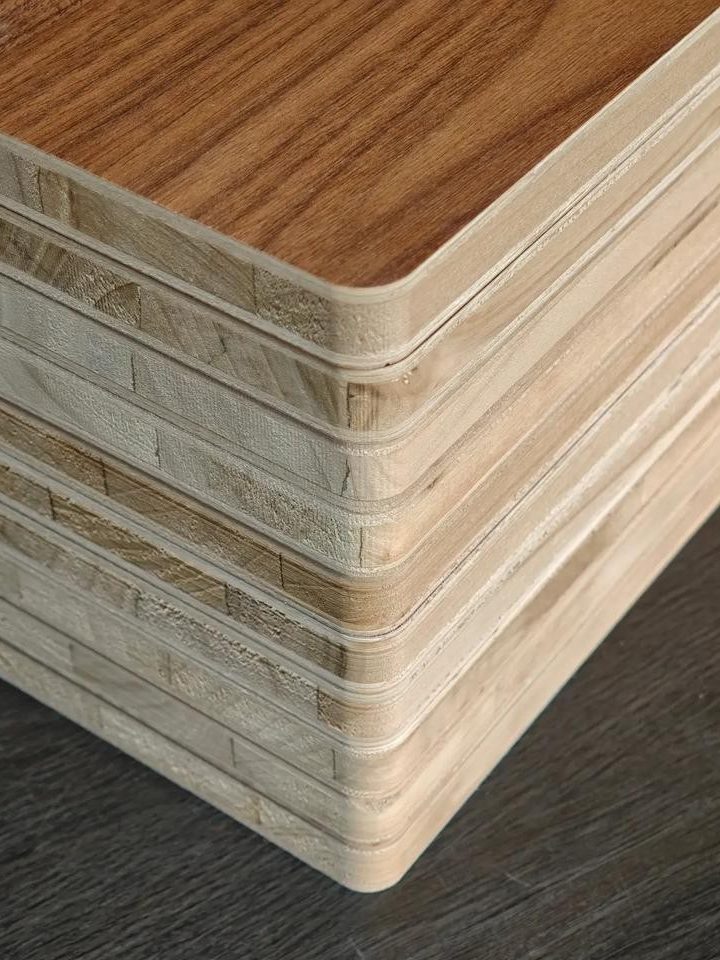
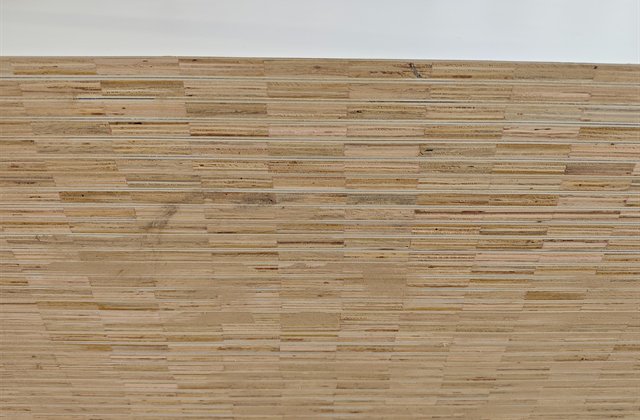
Raw and melamine-faced supply routes are confirmed against the selected specification.
01
Confirm the core
Core type, strip construction and internal gap expectation.
02
Confirm the faces
Face and back construction, raw finish or melamine surface.
03
Confirm the order
Finished thickness, flatness, size, packing and application.
Supply options
Raw panels and melamine-faced panels
Start with the substrate construction, then confirm whether the order requires a raw board or a finished decorative surface.
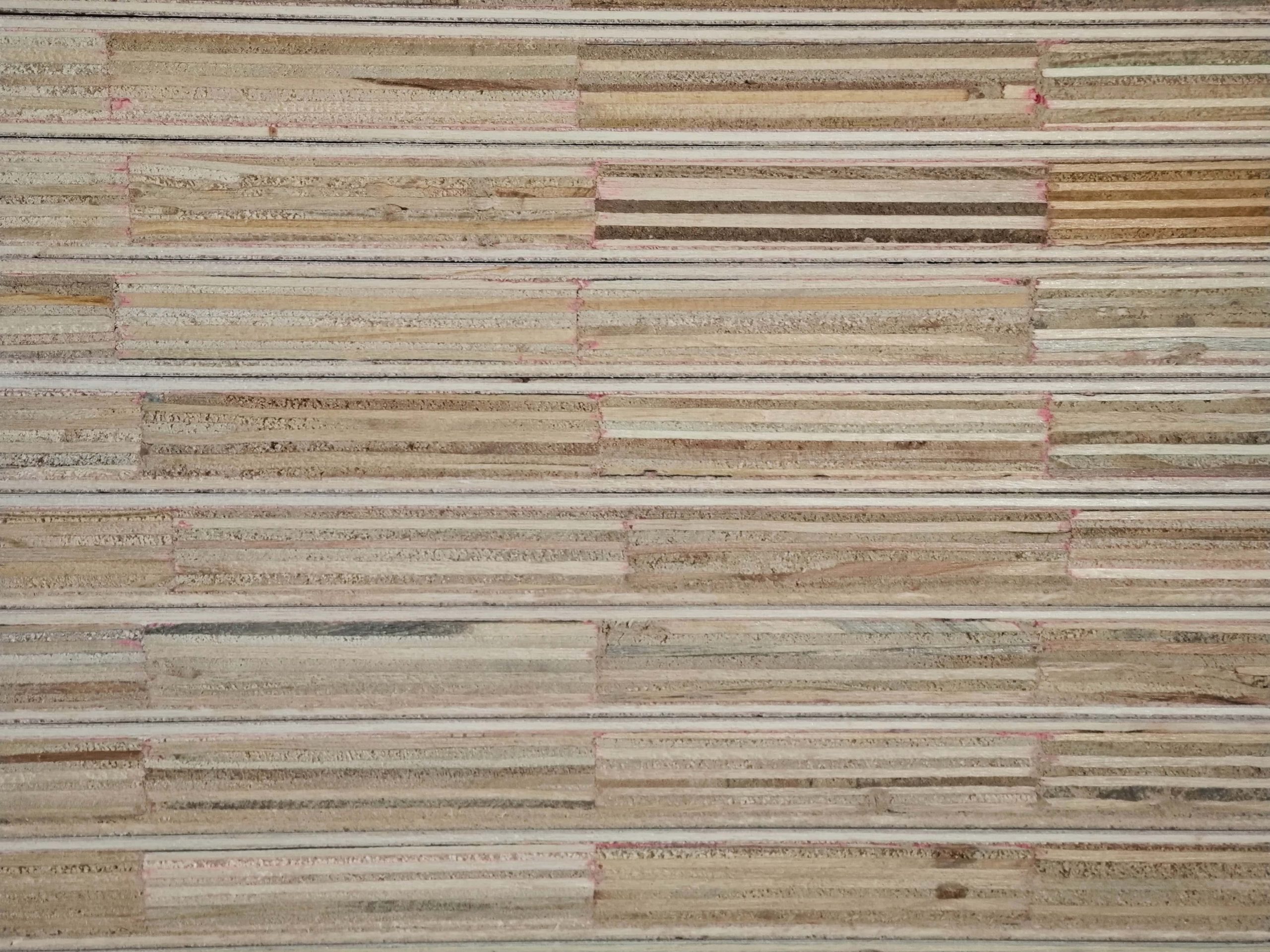
Blockboard core options
Compare the core before choosing the surface
Pine, poplar, paulownia, fir and plywood-strip cores use different raw materials and must be named clearly in the enquiry.
How blockboard behaves
Core species and strip construction define the panel
Blockboard combines longitudinal timber strips with cross veneers and face layers. Its weight, stiffness, flatness and edge performance vary with the timber species, strip width, moisture, joints, internal gaps and crossband construction.
Core options
Confirm pine, poplar, paulownia, fir or plywood-strip core, together with strip width, joining method and any mixed-species limitation.
Directional behaviour
The strip direction matters for long shelves, doors and joinery components. Provide the cutting and load direction when stiffness is important.
Inspection focus
Check core moisture, gaps, strip joints, flatness, thickness, crossbands, face build-up and edge quality before approving the finished panel.
Where it fits
Often considered for doors, long shelves and interior joinery where lower weight and stiffness along the core strips are useful.
Before substituting
MDF may machine more uniformly and plywood behaves differently across directions. Confirm component design, surface process and edge treatment before substituting.
Specification guide
Information to confirm before quotation
These fields organize the first technical discussion. Actual ranges and commercial terms will be added only after the relevant supply route is confirmed.
You can start with:
- Product and application
- Required size or reference
- Approximate quantity
- Destination port
| Core type | State pine, poplar, paulownia, fir, plywood strip core or an approved reference Confirm for quotation |
|---|---|
| Strip construction | Confirm strip quality, joints and internal gap expectation Confirm for quotation |
| Face and back | Confirm veneer or face construction Confirm for quotation |
| Panel size | Specify length and width Confirm for quotation |
| Thickness and tolerance | State the finished requirement and tolerance Confirm for quotation |
| Surface | Raw blockboard or melamine-faced option Confirm for quotation |
| Flatness / application | Share the component and relevant acceptance expectation Confirm for quotation |
| MOQ and lead time | Based on construction, surface and order combination Confirm for quotation |
Selection points
Make the requirement measurable
Replace broad terms such as “high quality” with construction details, approved references, named standards and agreed acceptance points.
01
Core type
Identify the required species, plywood-strip construction or approved comparison sample.
02
Strip quality
Define expectations for joints, width variation and internal gaps.
03
Face construction
Confirm the layers between the core and decorative surface.
04
Flatness
Relate acceptance to panel size, application and storage.
05
Finished thickness
Confirm the value after lamination where applicable.
06
Packing and marks
Protect corners and edges and identify each bundle.
Order follow-up
Keep the finished panel tied to the specification
The applicable checks depend on the product, order and documents agreed before production.
01
Record the requirement
Confirm the construction, surface, dimensions, application, packing and document scope.
02
Follow the order
Connect relevant production details and approved changes to the written specification.
03
Review and prepare
Check the agreed finished-panel points before packing and export preparation.
Start with the details you have
Discuss your blockboard requirement
A product name, application or reference image is enough to begin. The remaining specification can be confirmed during the enquiry.