

Distributors in hot, dry regions often face the costly problem of panels warping or cracking due to extreme heat and low humidity. This article analyzes how high-quality chipboard maintains its shape in harsh climates and explains why specific technical standards are essential for long-term furniture durability.
Understanding Modern Chipboards
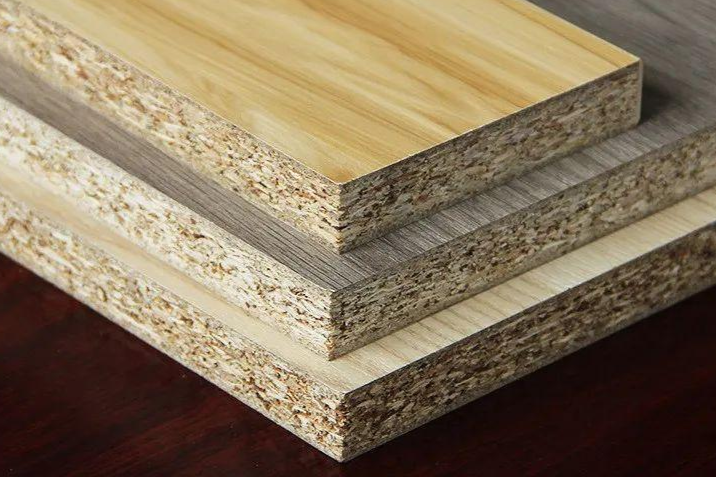
To understand why chipboard is a top choice for furniture makers, we must look at how it is made. This material, also known as particle board, is an engineered wood product. It is made by taking wood chips, shavings, and sawdust and mixing them with a strong resin. This mixture is then pressed under high heat to create solid chipboard sheets.
Unlike solid wood, which has a natural grain that can twist, chipboards are isotropic. This means they have the same physical properties in every direction. The internal structure usually has three layers: a dense core of larger chips for strength and two outer layers of fine particles for a smooth finish. For businesses in desert or tropical climates, this engineered design is a huge plus because it does not move as much as natural timber when the weather gets hot.
How Heat and Low Humidity Affect chipboard
Dry climates are tough on wood. When the air is very dry, wood fibers lose moisture, which can lead to shrinking or small cracks on the surface. However, a durable chipboard is built to handle these changes better than most materials.
Resistance to Warping
The term heat resistant wood panels does not only mean they won’t burn; it means they stay flat when it is hot. In areas where the temperature goes above 40°C, the glue used in chipboarding is the most important factor. High-quality resins ensure that the wood chips stay bonded together even when the sun is beating down on a warehouse or an office.
Slow Moisture Exchange
Since particle board consists of small wood bits coated in wax and resin, it takes a long time for moisture to move in or out of the panel. In a dry climate, this slow exchange means the board stays at a stable size. This is vital for kitchen cabinets where a small change in size could stop a door from closing correctly.
Surface Protection and Decorative Options
The core material of the board is strong, but the surface finish is what protects it from the outside world. This is where different types of chipboards offer different levels of protection.
The Benefits of Melamine Facing
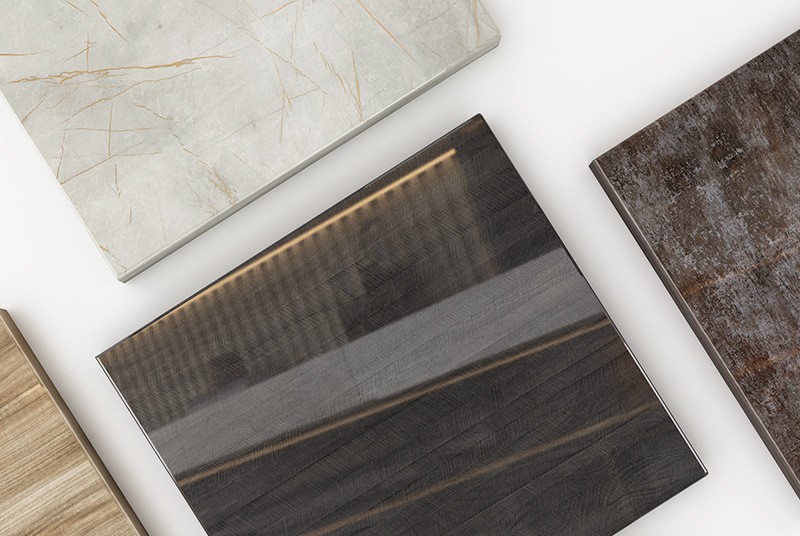
Melamine faced chipboard is the global standard for high-performance furniture. In this process, a decorative paper is soaked in melamine resin and glued to the board using heat. This creates a hard, plastic-like shell.
- Reflecting Heat: The melamine surface helps protect the inner wood core from drying out too fast.
- Easy Cleaning: In dusty, dry areas, melamine faced chipboard is much easier to clean than painted wood. It does not need special oils or waxes to stay looking new.
Durable Finishes for Industrial Use
For high-traffic areas, choosing a durable chipboard with a thicker surface layer is wise. Some manufacturers offer panels with extra UV resistance, which prevents the colors from fading in the bright sun often found in dry climates.
Practical Tips for Manufacturers in Hot Regions
Even the best chipboarding products need the right care to perform well in high temperatures. Here are three simple tips to share with your production team:
- Use the Right Edge Banding: In hot climates, standard glues for edges can melt. Using PUR (Polyurethane) glue ensures the edges stay on even if the furniture is near a sunny window.
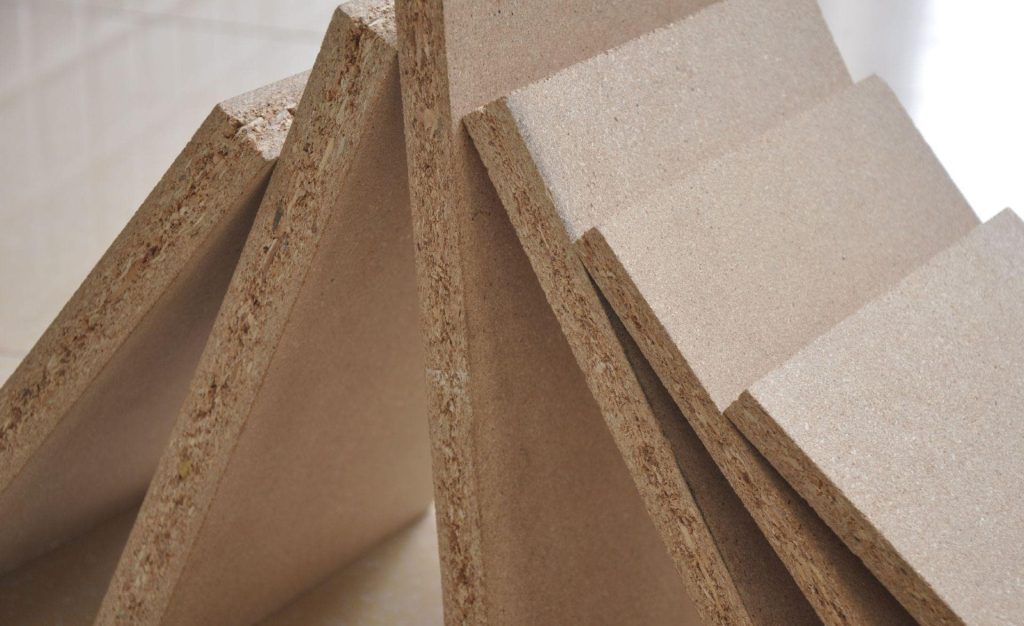
- Store Boards Flat: Never lean chipboard sheets against a wall for a long time. The heat will cause them to bend. Always stack them flat on a pallet.
- Allow for Airflow: When designing large wardrobes, leave small gaps for air to move. This helps the temperature stay even on both sides of the panel.
Shipping and Logistics to Dry Climates
Transporting chipboards across the ocean to hot countries requires careful planning. Sea containers can become like ovens, reaching over 60°C.
- Moisture Barriers: We use plastic wrapping to prevent the wood from absorbing any humidity during the sea journey.
- Strong Pallets: Because chipboard is heavy, we use reinforced pallets. This prevents the bottom boards from cracking under the weight of the stack.
- Container Loading: We pack our containers tightly to stop the boards from sliding. This protects the delicate edges of the melamine faced chipboard.
Conclusion
Choosing In the world of B2B wood sales, reputation is everything. Selling a particle board that warps or cracks in the heat will lead to complaints and lost customers. By choosing a high-quality, durable chipboard and understanding the science of heat resistant wood panels, you provide a product that builders and furniture makers can trust.
High-temperature climates do not have to be a problem if you have the right material. Our chipboard sheets are tested to meet the toughest standards, ensuring they stay flat and strong no matter how dry the air gets.
recent posts
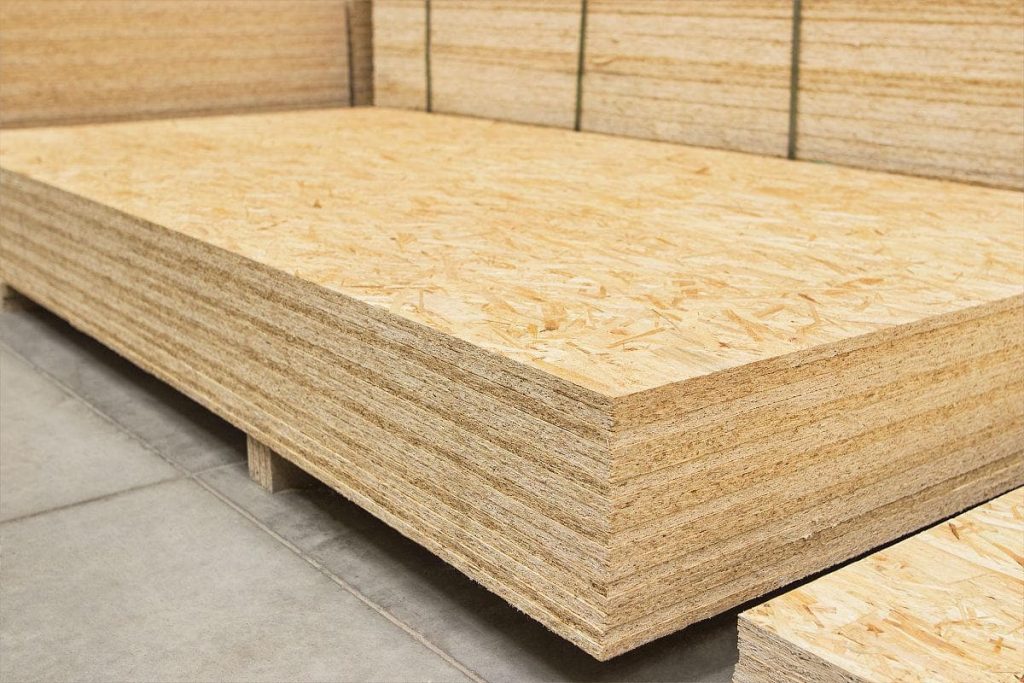
Sanded OSB for Furniture Still Needs a Finish Plan
OSB material reference only; sanding quality and the final finish need separate approval. Sanded OSB…
Plywood vs OSB for Crates Is More Than a Price Choice
Protected panel bundles are a supply-stage reference, not an approved design for a shipping crate….
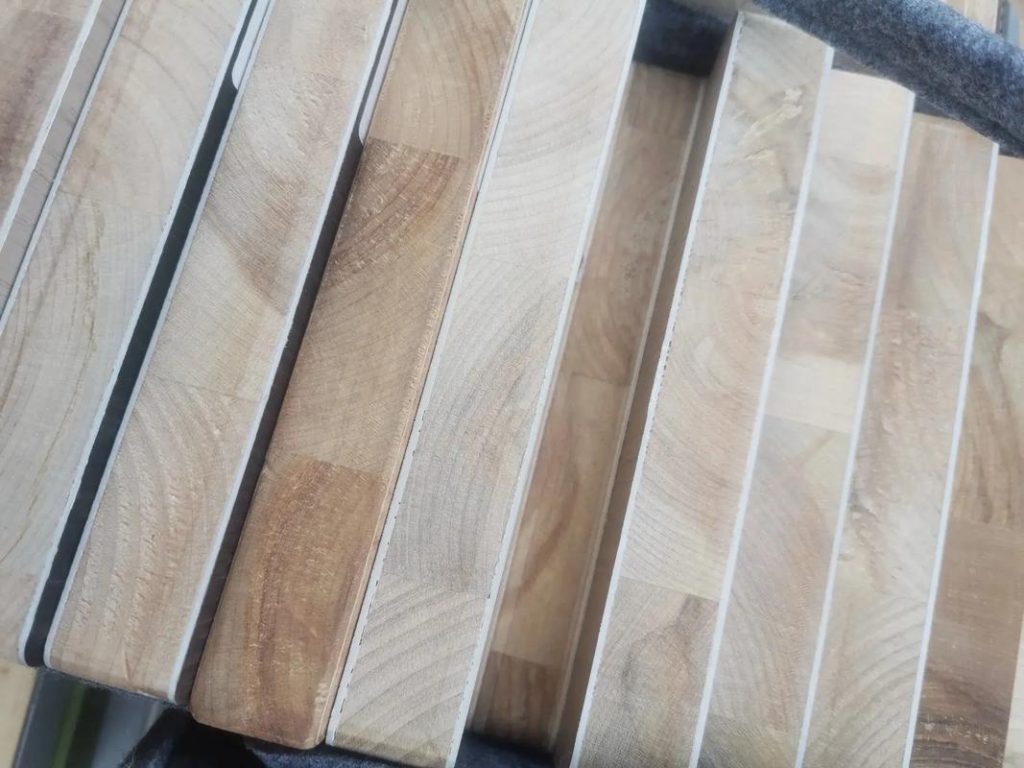
Blockboard vs Finger Joint Board for Furniture Buyers
A visible timber-strip core does not make the finished panel the same as an exposed…
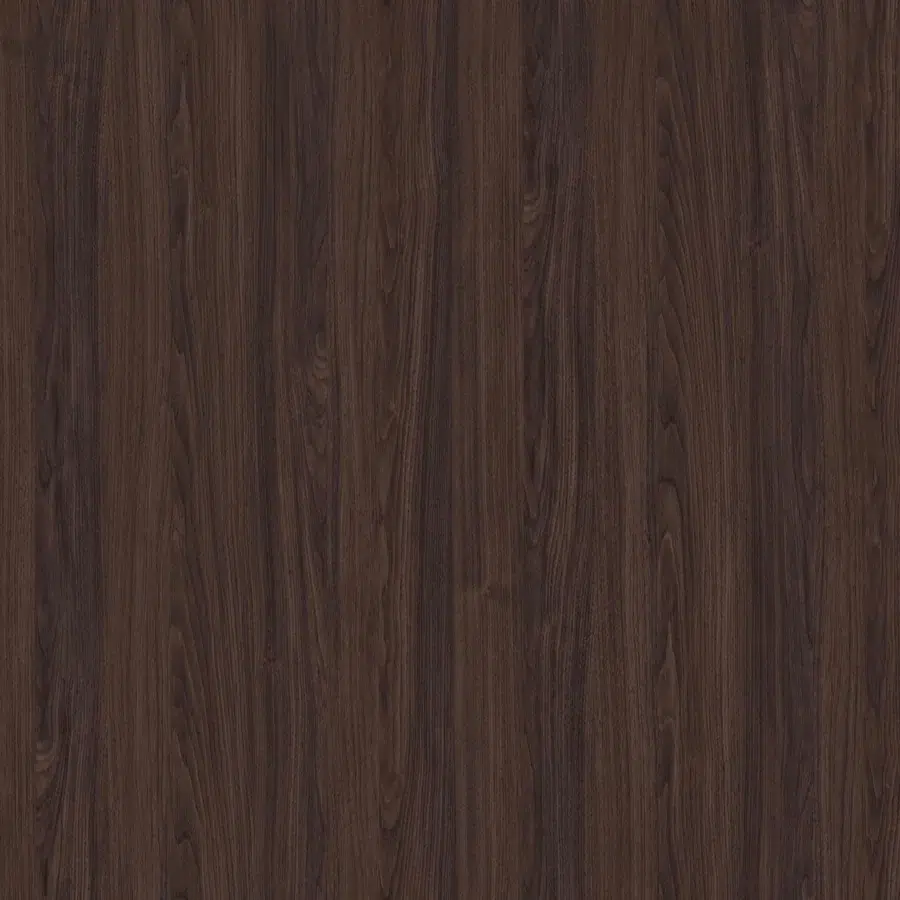
Synchronized Melamine Board Goes Beyond the Print
Woodgrain design reference only. A flat image cannot demonstrate EIR texture or alignment. Synchronized melamine…