

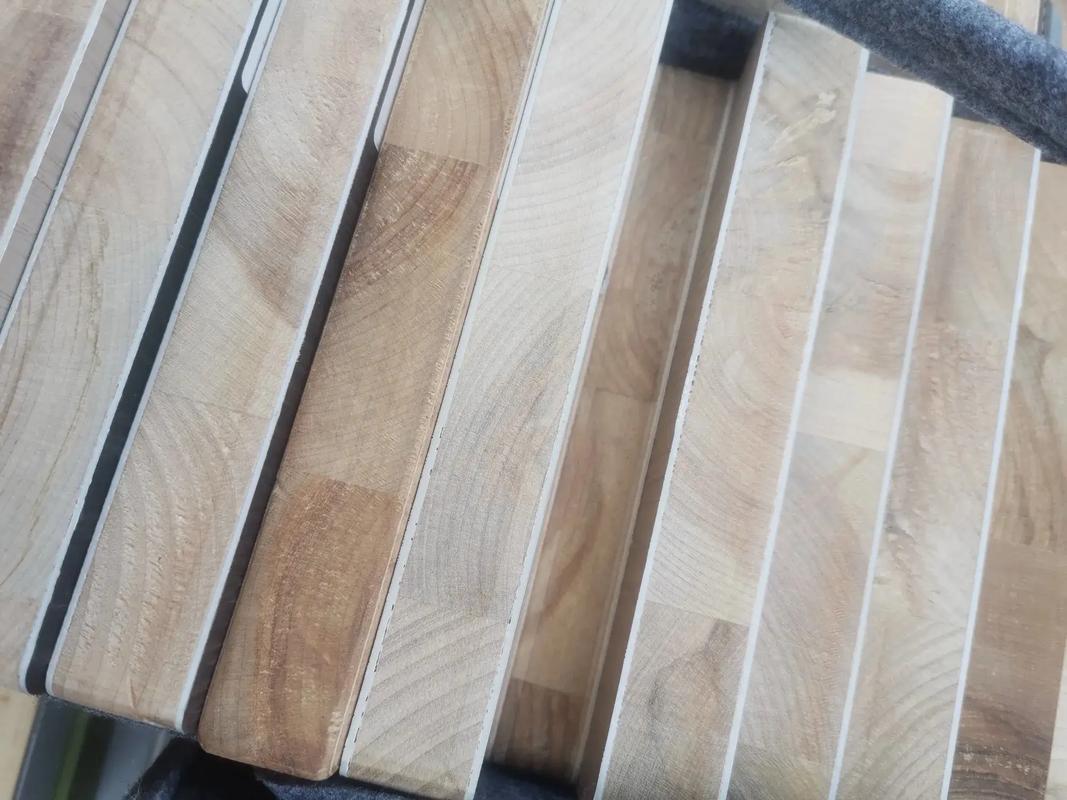
Blockboard vs finger joint board is not simply a comparison of two ways to glue wood strips. A finger joint is an end joint that connects shorter wood pieces. Blockboard is a panel construction. Although both can contain joined timber, their complete build-up, visible surfaces and finishing work can differ.
Imagine receiving two quotations for a wardrobe component at the same thickness. One offer is for a melamine-faced panel; the other leaves real timber and its joints visible. Therefore, compare the finished furniture part. A lower sheet price means little if it buys the wrong appearance or leaves a different finishing process for the workshop.
Key takeaways
A joint describes a connection; a panel name describes the complete product.
Finger-jointed core strips do not make every Blockboard an exposed timber panel.
Choose the required face and edge appearance before comparing the unfinished sheet price.
Start with the Complete Blockboard Panel
A blockboard panel has a central slab assembled from timber strips, together with the specified supporting layers. Those layers provide the surface over the strip assembly. The supplied board can remain raw or receive a decorative facing. A bare core slab is an intermediate material, not automatically the finished furniture panel.
For some melamine-faced Blockboard constructions, the producer faces a supporting carrier first, then bonds it onto the core slab. The wood layers supporting that surface are distinct from decorative melamine paper. Their materials and thicknesses depend on the required construction and target finished thickness.
The Blockboard layers guide explains that hierarchy in detail. In other words, the finished surface sits over the core assembly. Whether one internal strip is full length or end-jointed is only one part of the description.
What Finger Joint Board Means in This Comparison
A finger joint uses matching shaped ends to join wood pieces lengthwise. Those joined lengths can then be glued side by side to form a wider furniture panel. In this article, finger joint board means that exposed edge-glued timber panel. It does not mean every product that happens to contain finger joints.
The long side joints make the panel wider; the finger joints make individual lengths longer. Therefore, separate these two connections in the product description. Depending on the product, the visible face may show strips, end joints, natural colour changes and other agreed timber features. A full-length strip panel is another possible offer and should not silently replace the specified jointed pattern.
Adhesive producer Bostik describes finger joining across several engineered-wood applications as a way to obtain longer members from shorter pieces. As a result, a finger-joint label alone cannot identify a finished panel. It does not establish that a furniture panel is a structural beam.
Likewise, gluing timber into a wide panel does not turn its visible face into printed paper. The timber remains part of the appearance and finishing decision. If a supplier uses finger joint board to mean a bare Blockboard core, stop and describe the supplied layers. The two sides may be discussing different products under one convenient trade name.
Blockboard vs Finger Joint Board Changes the Surface Decision
| Decision | Blockboard route | Exposed finger-jointed timber panel |
|---|---|---|
| Complete construction | Strip core plus specified supporting layers | Edge-glued timber strips with the agreed end joints |
| Visible face | Raw support surface or an added decorative finish | Timber grain, strips and permitted joint pattern |
| Cut edge | Shows the assembled core and supporting layers | Shows the timber and joints encountered by the cut |
| Workshop finishing | Depends on raw or pre-faced supplied state | Depends on the required timber finish and edge detail |
| Product identity | Do not infer it from a core joint alone | Do not infer structural suitability from the joint name |
A melamine surface can give Blockboard a selected print and texture. However, this is a printed look, not a decorative real-wood veneer overlay. A buyer seeking visible natural timber is making a different design choice. Neither product should be presented as the other because their colour families happen to look similar.
The edge is just as important. For example, a visible furniture edge may need a different treatment from an edge hidden inside a cabinet. Discuss that detail before comparing cost. Covering the edges of an assembled panel and preparing a visible timber edge are not automatically the same operation.
This does not create a simple quality ladder. A coordinated printed finish may suit a repeatable cabinet range. An exposed jointed timber look may suit a design that accepts its visible strip pattern. The correct choice follows the approved appearance and construction, not a claim that one contains more real wood.
Wood Condition and Direction Still Matter
The NC State guidance on edge-glued furniture panels explains why wood condition, machining and bonding affect the result. However, its historical manufacturing targets are not universal specifications for every export market. The useful lesson is to choose material and finishing conditions for the intended use, rather than assuming glue removes wood movement.
A transparent finish leaves the strip and joint pattern visible. In contrast, an opaque coating changes the appearance but does not remove the timber’s moisture response. Compare a finished sample when appearance matters, and identify what the sample actually approves. A bare offcut cannot represent every later coating decision.
For Blockboard, identify the internal core direction as well as any decorative grain direction. A printed woodgrain is not a structural arrow. The exposed timber panel also needs its intended component direction and fixing detail. Do not rotate a part merely because its rectangle still fits the cutting plan.
Choose a Furniture Route Rather Than a Material Slogan
A distributor developing a consistent woodgrain cabinet range may prefer to compare pre-faced Blockboard constructions. In this case, the decorative face forms part of the upstream purchase. Cutting, edge treatment and assembly still need planning, but the workshop does not need to create the appearance through coating.
For a component designed around exposed timber, the acceptable colour variation and joint pattern belong in the design. A uniform printed face would be a different result, even if the component dimensions matched. Consequently, treat that substitution as a design change rather than a saving on the same board.
Give Each Buyer a Clear Next Decision
Importers should obtain one complete product description and compare the supplied state. Distributors need separate stock identities for exposed timber, raw supported Blockboard and finished decorative Blockboard. The downstream workshop should identify the machining and finishing operations that remain for each option.
Use a representative component or corner to review the visible face and edge together. For a cabinet side, that can reveal the difference between an edge-banded decorative panel and a visible timber edge. Keep any promised performance tied to the identified construction and application instead of the generic word solid or the presence of a finger joint.
The About Momentimber page describes its specification-coordination role. Start with the furniture part and intended appearance. Once those are clear, a raw or faced Blockboard enquiry can ask for the actual construction needed, rather than an ambiguous substitute for another timber product.
Frequently Asked Questions
Related Reading
Sanded OSB for Furniture Still Needs a Finish Plan
OSB material reference only; sanding quality and the final finish need separate approval. Sanded OSB…
Plywood vs OSB for Crates Is More Than a Price Choice
Protected panel bundles are a supply-stage reference, not an approved design for a shipping crate….
Synchronized Melamine Board Goes Beyond the Print
Woodgrain design reference only. A flat image cannot demonstrate EIR texture or alignment. Synchronized melamine…
Lightweight MDF vs Standard MDF for Furniture Parts
Panel appearance alone does not identify a lightweight MDF grade. Lightweight MDF can make a…
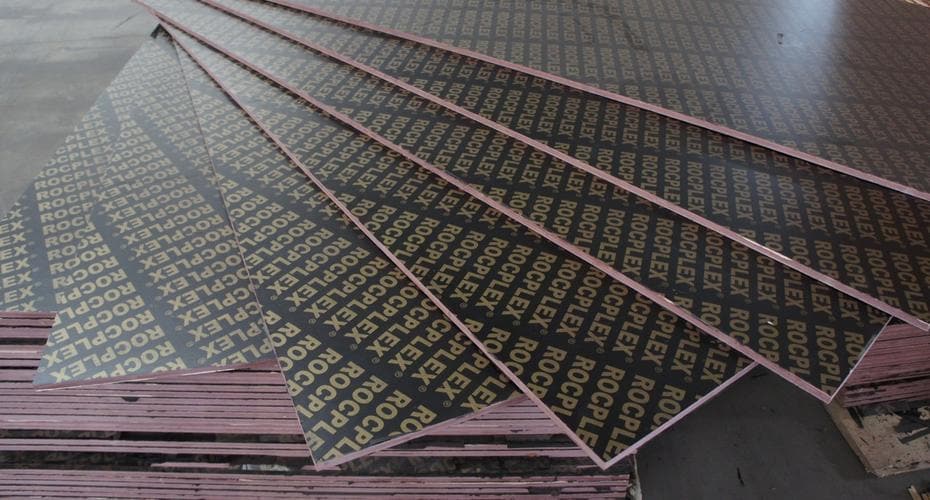
Film Faced Plywood Edge Sealing After Cutting
Film faced plywood edge sealing needs to follow the cutting and drilling plan. Factory edge…
How Blockboard Layers Work
See how the core slab, supporting layers and decorative surface fit together.
Core Direction and Cutting in Blockboard
Learn why the internal strip direction can differ from the visible surface pattern.
Blockboard vs Plywood for Furniture
Compare another substrate route when choosing the complete furniture component.
Comparing a raw or melamine-faced blockboard option for a furniture part? Send the drawing, required surface, edge appearance, dimensions and intended processing route. Momentimber can discuss Blockboard specification matching and sample coordination without treating every joined timber panel as the same product.