

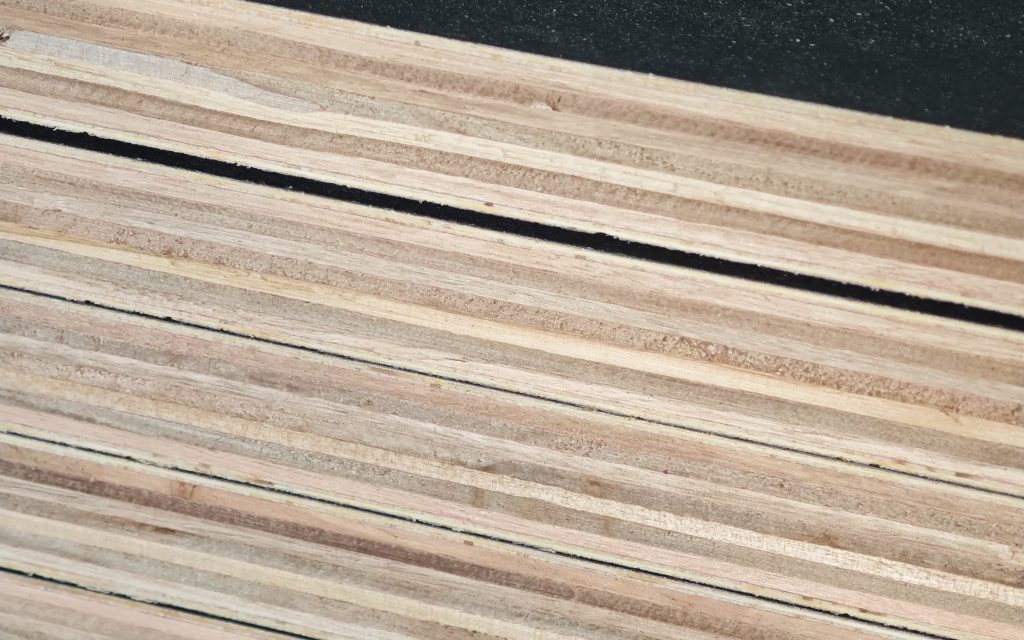
Buying plywood can be tricky. Sometimes the boards are too heavy to move, and other times they aren’t strong enough for the job. This can lead to wasted money and broken furniture. We created this guide to show you the simple differences between poplar, eucalyptus, and combi cores, so you can pick the best one for your business.
Comparing the Botanical Foundation: Poplar and Eucalyptus
To a professional, the choice of a poplar plywood or eucalyptus plywood begins with understanding the fiber characteristics of the raw timber. Poplar is a fast-growing softwood known for its low density and high flexibility. Its fibers are relatively long, which provides excellent internal bonding but limited surface hardness.
Eucalyptus, however, is a dense hardwood. It offers a much tighter grain structure and higher mineral content. While this makes the timber heavier, it results in a panel with superior impact resistance and higher natural oils that help resist moisture.
For a high-volume manufacturer, picking between these two types is the firststep. This choice affects the final weight and strength of the finished furniture.
Analyzing Mechanical Strength and Density Metrics
In the B2B sector, density is the most reliable predictor of how a panel will behave under stress. Experienced buyers look beyond the surface grade to the core’s physical properties.
The Lightweight Versatility of Poplar
A standard poplar plywood 4×8 sheet typically has a density of 450–520 kg/m³. This low density is a major advantage for applications where weight is a concern, such as caravan interiors or large-scale wall paneling. Because the wood is softer, it is extremely “tool-friendly,” extending the life of CNC bits and saw blades. However, its screw-holding strength is lower than that of hardwoods.
The Structural Rigidity of Eucalyptus
Eucalyptus plywood is much heavier, usually ranging from 580–650 kg/m³. This increased density provides a high Modulus of Rupture (MOR). It is the preferred choice for structural floors, heavy-duty shipping crates, and base layers for high-end wood flooring. The main challenge is its tendency to “move” more than poplar when exposed to heat, as the dense fibers exert more force during expansion.
| Poplar Core | Eucalyptus Core | Combi-Core | |
| Average Density | Low (480 kg/m³) | High (620 kg/m³) | Medium (550 kg/m³) |
| Weight | Very Light | Heavy | Balanced |
| Screw Holding | Moderate | Excellent | High |
| Stability | Very High | Moderate | High |

The Engineering Logic of Combi Core Plywood
For many furniture manufacturers, the “pure” species panels present a dilemma: poplar is too soft, but eucalyptus is too heavy and prone to warping. This is where combi core plywood (also known as twin-core) serves as the technical solution.
A combi core plywood panel is engineered by alternating layers of poplar and eucalyptus veneers. The eucalyptus layers give strength and hold screws well. The poplar layers help absorb tension and lower the weight.
By carefully placing these layers, manufacturers can make a panel. This panel has the hardness of hardwood but the stability of softwood. For a distributor, stocking a hybrid core allows you to satisfy 80% of furniture applications with a single SKU.
Stability Challenges: Addressing Warping and Flatness
A common pain point for importers of poplar plywood 4×8 sheets is maintaining flatness during sea transit. Wood is a hygroscopic material, meaning it breathes.
Poplar is naturally more stable because its cells are larger and more compressible. When the humidity changes, the poplar fibers can absorb a degree of movement without bending the entire sheet. Eucalyptus, being much stiffer, does not “give” as easily. If a eucalyptus panel is dried too quickly or unevenly, the internal stress will cause the board to bow.
The hybrid design of combi core plywood solves this by using the flexible poplar layers to “dampen” the movement of the rigid eucalyptus layers. This results in a panel that remains flatter in high-humidity export environments.

Identifying the Right Core for Specific Applications
Selecting the correct core requires matching the mechanical properties of the wood species to the specific demands of the project.
- Poplar plywood for Lightweight Precision: This core is ideal for interior wall cladding, ceiling panels, and the RV/caravan industry. Its low weight lessens the load on structures. Its soft fiber makes it a great choice for detailed laser cutting and fast CNC routing. Clean edges and long-lasting tools are very important in these processes.
- Eucalyptus plywood for Structural Integrity: When high load-bearing capacity is required, eucalyptus is the standard. It is most commonly used for sub-flooring, heavy-duty industrial packaging, and the base layers of engineered wood floors. Its high density ensures that the board can withstand significant impact and pressure without denting or failing.
- Combi-Core for Versatile Cabinetry: The hybrid core is the “all-rounder” for modern furniture manufacturing. It is perfect for kitchen carcasses, wardrobe doors, and office desks. It gives the needed strength to hold heavy hinges and hardware from the eucalyptus layers. It stays flat and light because ofthe poplar layers.
Strategic Sourcing: Managing Cost and Supply Chain Risk
For large-scale distributors, the choice between core types directly impacts the long-term bottom line beyond the initial purchase price. A strategic buyer looks at the “Total Landed Cost” and the “Processing Yield.”
If you choose a pure eucalyptus core solely for its strength, you may face higher shipping costs due to the weight, and increased electricity and tool maintenance costs in the factory. On the other hand, relying exclusively on poplar plywood may lead to a higher rate of product returns if the panels are used in load-bearing environments they weren’t designed for.
Combi core plywood acts as a risk-mitigation tool. By balancing the species, it provides reliable performance. This reduces the chance of structural claims and keeps shipping weights manageable.
Furthermore, diversifying core types helps you navigate raw material shortages. When eucalyptus prices rise or poplar harvests are low, it’s important to have a flexible sourcing strategy. This strategy helps keep your production line running smoothly.
Conclusion
Success in the plywood industry is about matching the core to the task. Poplar plywood remains the best choice for lightweight, stable applications where ease of machining is a priority. Eucalyptus plywood provides the raw power and hardness required for structural and flooring needs.
AHowever, for the modern furniture manufacturer, combi core plywood represents the most balanced investment, offering a “best of both worlds” scenario that reduces weight without sacrificing strength.
recent posts
Sanded OSB for Furniture Still Needs a Finish Plan
OSB material reference only; sanding quality and the final finish need separate approval. Sanded OSB…
Plywood vs OSB for Crates Is More Than a Price Choice
Protected panel bundles are a supply-stage reference, not an approved design for a shipping crate….
Blockboard vs Finger Joint Board for Furniture Buyers
A visible timber-strip core does not make the finished panel the same as an exposed…
Synchronized Melamine Board Goes Beyond the Print
Woodgrain design reference only. A flat image cannot demonstrate EIR texture or alignment. Synchronized melamine…