

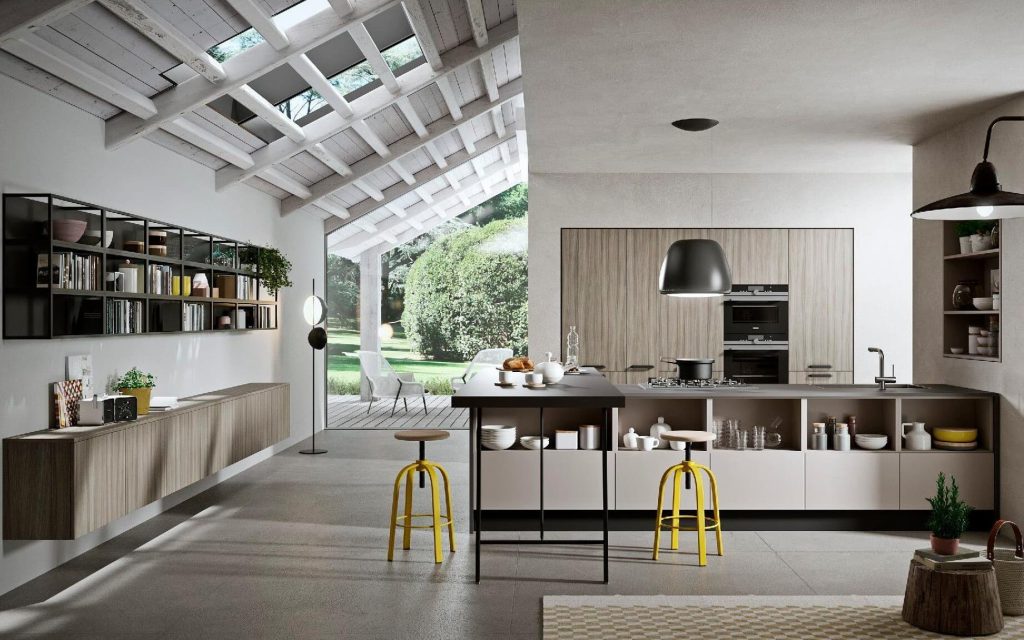
Many professionals and homeowners find it hard to choose the right materials for their projects. This can lead to problems like warped doors or sagging shelves. This guide explains how to match different panel types with cabinet parts and settings. This will help ensure they last longer and perform well.
The Structure of a Cabinet: the Role of Each Part
Before discussing cabinet materials, we must understand that a cabinet is not a single solid block. It is a system of different parts, each doing a specific job. If you use the same material for every part, you might either overspend or end up with a product that fails early.
Cabinet Doors and Drawer Fronts
The kitchen cabinet doors are the most visible part. Functionally, they must remain perfectly flat. Because they are only supported by hinges on one side, they are prone to warping. Therefore, the material needs high dimensional stability.
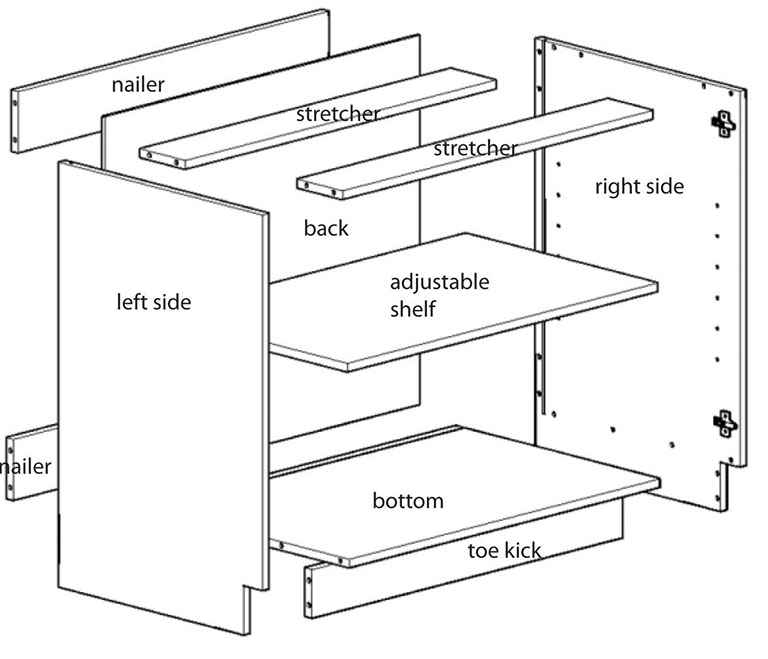
Shelving (Load-Bearing)
Shelves must carry the weight of dishes, cans, and heavy appliances. The core challenge here is “creep” or sagging. You need cabinet making materials that are strong. This will help stop the middle of the shelf from bending over time.
Side Panels and End Panels
These form the “box” of the cabinet. They provide the structural height and support for the countertop. They need to be rigid and hold screws well to keep the hinges and drawer slides in place.
Back Panels
The back panel is often thinner. Its main job is to keep the cabinet box “square” and prevent dust from entering. It doesn’t carry much weight, but it must be easy to staple or nail.
Environmental Classification: Wet vs. Dry Zones
The best material for kitchen cabinets in a beach house is different from what you would use in a dry mountain cabin. Moisture is the biggest enemy of engineered wood.
High-Moisture Zones (Kitchens and Bathrooms)
In these areas, humidity changes constantly because of cooking steam and running water. The kitchen cabinet materials here must have a low swelling rate. If the material absorbs water, the edges will “mushroom,” and the laminate or veneer will peel off.
Dry Zones (Bedrooms, Offices, and Living Rooms)
For a wardrobe or a library bookshelf, moisture is less of a concern. Here, you can focus more on cost-efficiency and surface finish. Stability is still important, but you don’t need the expensive water-resistant resins required in a bathroom.
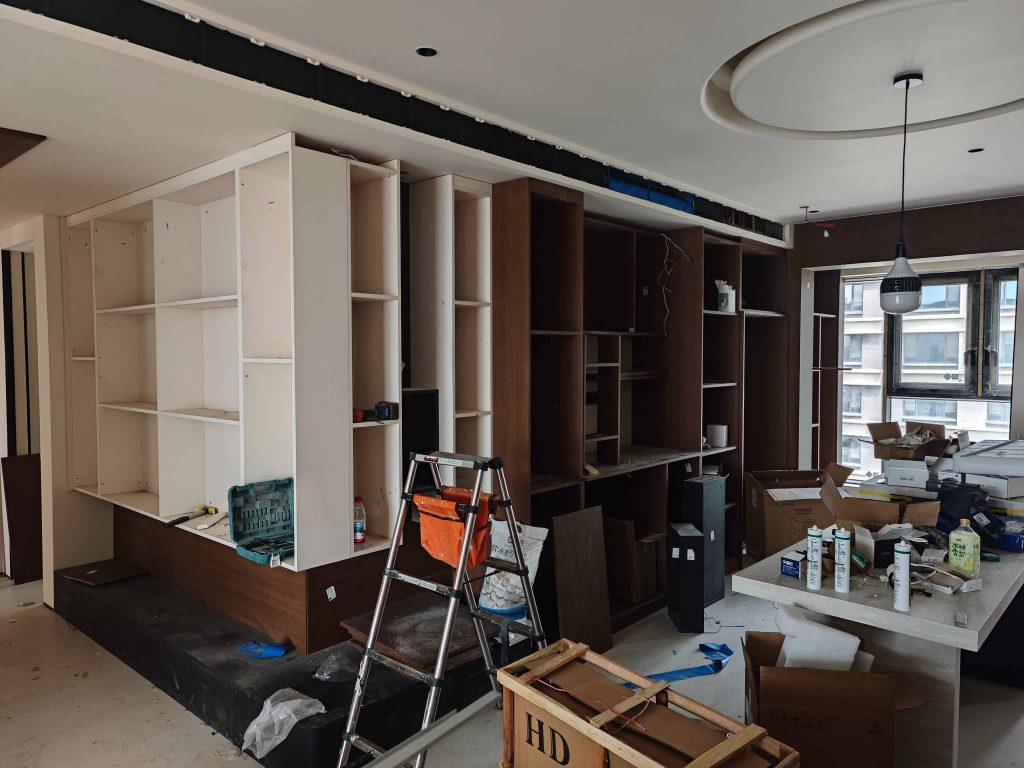
Material Analyzing for Specific Cabinet Parts
Let’s look at how the three main cabinet materials—Plywood, MDF, and Particle Board—perform in different parts of the build.
Plywood
Plywood is made of cross-laminated wood veneers. This gives it incredible screw-holding strength and stiffness.
- Best For: Shelving and Side Panels in high-end projects. It resists sagging much better than other engineered woods.
- Performance: Achieves excellent results in wet zones when you use a waterproof glue (like WBP).
MDF (Medium Density Fiberboard)
MDF is made of very fine wood fibers. The material is incredibly dense and has an exceptionally smooth surface.
- Best For: Kitchen cabinet doors. Because it has no grain direction, it doesn’t warp as easily as solid wood or plywood. It is the perfect choice for painted finishes.
- Performance: Good in dry zones. In wet zones, you must use “Moisture Resistant” (MR) grade MDF to prevent swelling.
Particle Board (Chipboard)
Made from wood chips and resin, this is the most common material for mass-produced furniture.
- Best For: Side panels and back panels in dry areas or for budget-friendly projects.
- Performance: It is heavy and has low screw-holding strength compared to plywood. It is generally not recommended for long, heavy-load shelves.
| Cabinet Part | Best Material (Wet Zone) | Best Material (Dry Zone) | Key Requirement |
| Doors | MR MDF / Plywood | Standard MDF | Flatness & Surface |
| Shelves | Plywood | Plywood / Thick MDF | Sag Resistance |
| Side Panels | Plywood | Particle Board / MDF | Structural Strength |
| Back Panels | Thin Plywood | Thin MDF / Particle Board | Weight & Squaring |
Selecting Materials Based on Environment and Function
Now we combine function and moisture to find the best solutions for real-world scenarios.
For Kitchens and Bathrooms
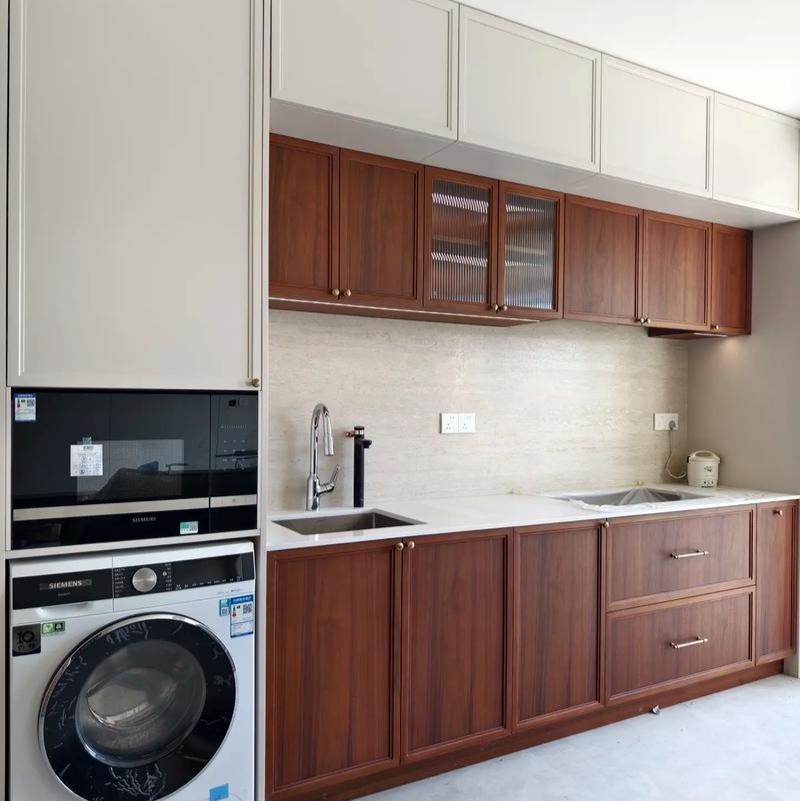
The best material for kitchen cabinets in professional builds is often a “Hybrid Box.” This means using plywood for the box, including the sides and shelves, to support weight and moisture. Use MDF for the kitchen cabinet doors to achieve a smooth paint finish. Plywood handles the heavy countertops and the accidental leaks under the sink, while MDF ensures the doors don’t “smile” (bow) over time.
For Closets and Media Centers
In these dry areas, Particle Board is often the most logical choice for the box to keep costs down. However, for the shelves, you should still consider MDF or Plywood if the span is wider than 30 inches. Using Particle Board for long shelves in a library will almost always lead to sagging.
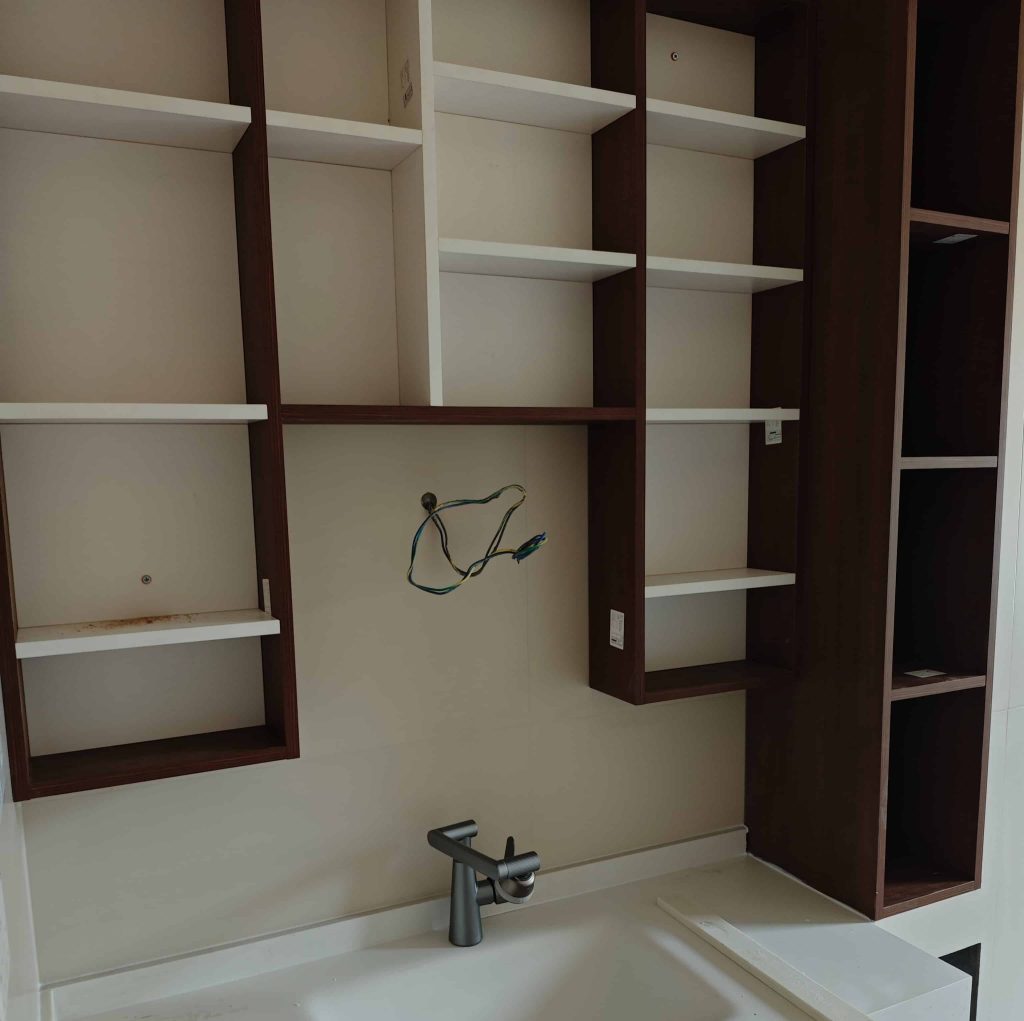
The Premium Setup: Maximum Budget Choice
If money is not a problem, the best choice for cabinets is all-plywood construction. Use solid wood or high-density MDF doors.
- The Box: 3/4-inch (19mm) Cabinet-Grade Plywood. This provides the highest durability and can survive a major plumbing leak.
- The Shelves: 3/4-inch Plywood with a solid wood edge-band. This looks beautiful and can hold heavy stacks of ceramic plates without bending.
- The Doors: Solid Hardwood (like Maple or Oak) for a stained look, or High-Refined MDF for a modern, seamless painted look.
This combination offers the highest resale value for a home and the longest lifespan for the furniture.
Technical Depth: Fastener Engineering and Load Dynamics
Let’s look deeper at how wood fibers interact with hardware. This is where most cabinets fail. A cabinet is only as strong as the screws that hold it together.
Screw Holding Power
When you drive a screw into plywood, the screw cuts through different layers of wood. These layers run in different directions. This creates a mechanical lock.
In MDF or particle board, the screw relies on the glue and tiny fibers. Over time, heavy kitchen cabinet doors can pull the screws out of the side panels. This is called fiber fatigue. If you use MDF for side panels, you must use special “Confirmat” screws or wood inserts to keep the hinges tight.
The Physics of Sagging (Creep)
Wood behaves like a very slow liquid. Under a heavy load, wood fibers slowly slide past each other. This is called “creep.”Plywood has long, continuous fibers that resist this sliding. Particle board has short chips that move more easily.
If you put 50 pounds of plates on a particle board shelf, it will sag much faster than a plywood shelf of the same thickness. For wide cabinets, the modulus of elasticity in plywood makes it the superior structural choice.
Internal Bond Strength and Delamination
In wet environments, the glue inside the cabinet materials can break down. This is why we look at the internal bond strength.High-quality MDF has a very consistent density. This means the glue is spread evenly.
Cheap particle board often has a “loose” center. If moisture gets into that loose center, the board will expand like a sponge. When selecting materials for a kitchen cabinet, always check the swelling rate after 24 hours of water contact.
Conclusion
Choosing the right cabinet materials is about picking the right tool for the job. Use plywood for the parts that carry weight or might get wet. Use MDF for the parts that need to look perfect and stay flat.
Another important point is to ensure that the quality and texture of each part of the cabinet are balanced. The quality of metal components such as hinges is also particularly important.
By understanding the science of these boards, you can build a cabinet that stays strong and looks great for years. This saves you money and prevents future repairs.
recent posts
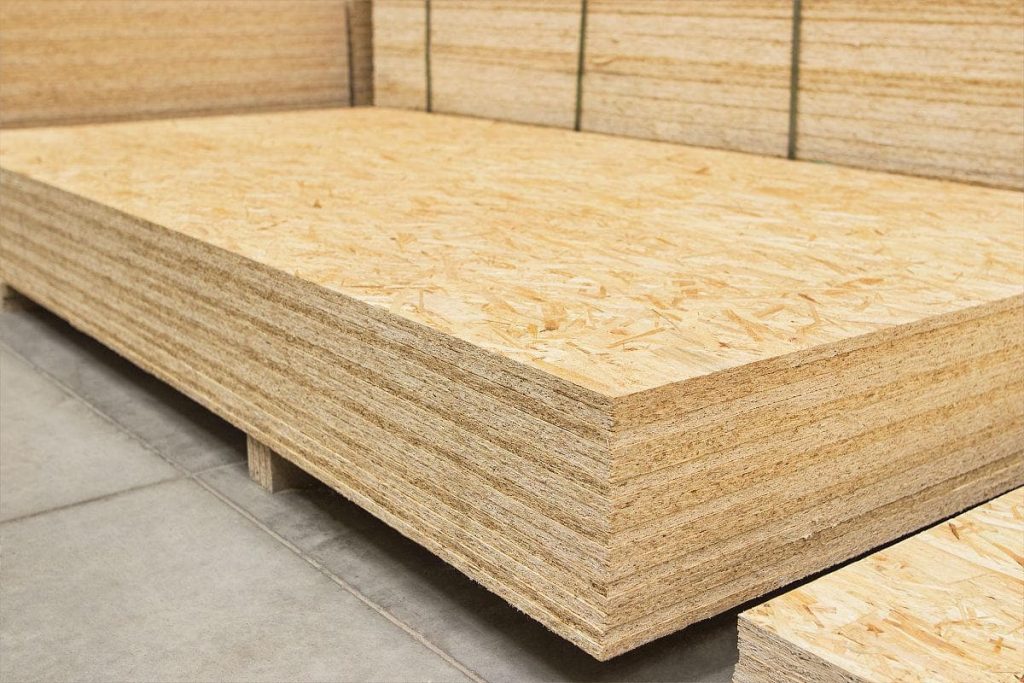
Sanded OSB for Furniture Still Needs a Finish Plan
OSB material reference only; sanding quality and the final finish need separate approval. Sanded OSB…
Plywood vs OSB for Crates Is More Than a Price Choice
Protected panel bundles are a supply-stage reference, not an approved design for a shipping crate….
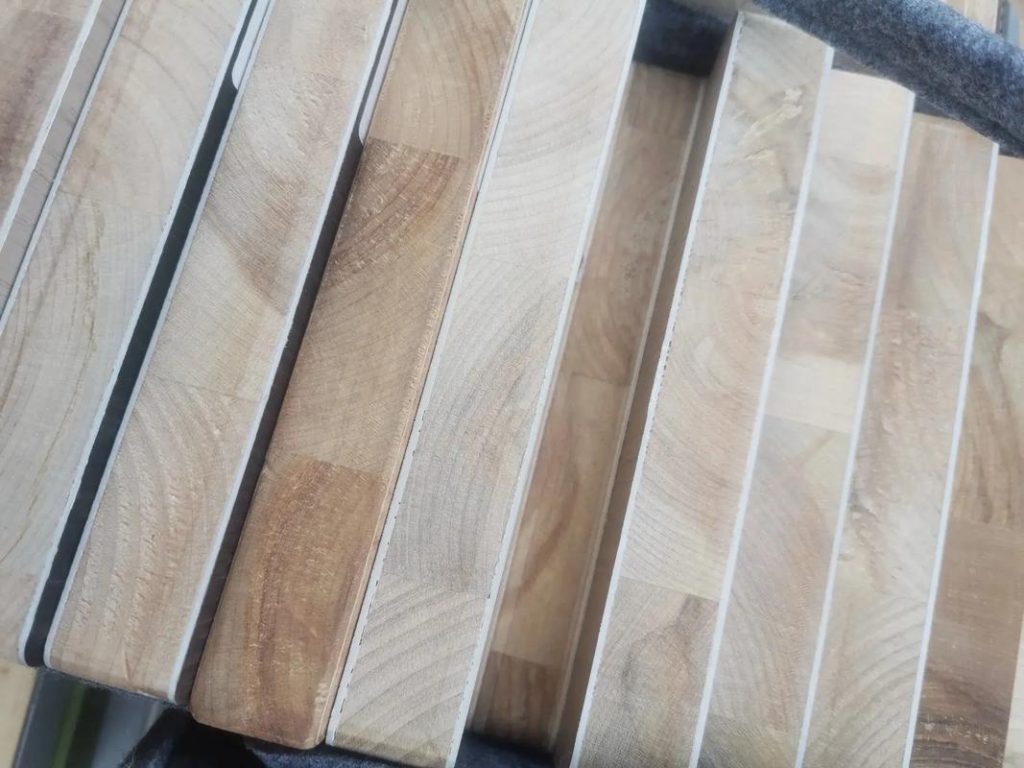
Blockboard vs Finger Joint Board for Furniture Buyers
A visible timber-strip core does not make the finished panel the same as an exposed…
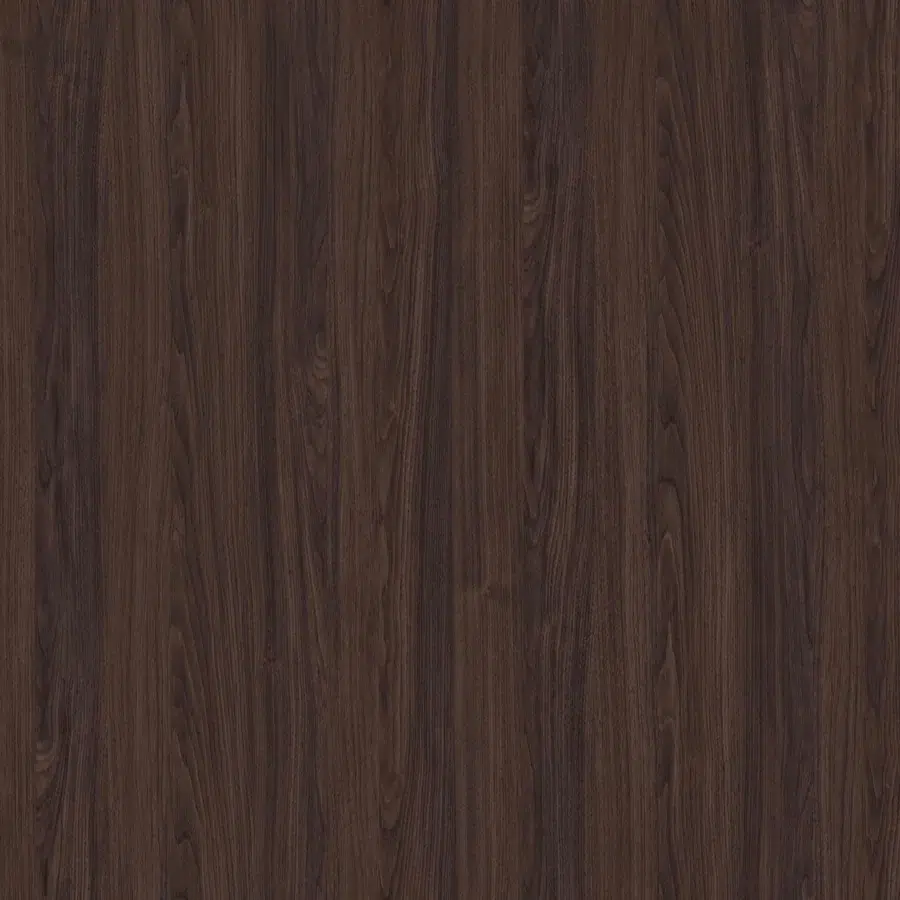
Synchronized Melamine Board Goes Beyond the Print
Woodgrain design reference only. A flat image cannot demonstrate EIR texture or alignment. Synchronized melamine…