

What Is Plywood?
If a buyer searches for “what is plywood”, they usually need more than a simple definition. Importers, distributors, and furniture-material wholesalers need to understand how plywood structure, core veneer, glue type, grade, thickness, and packing affect price, quality consistency, and after-sales risk.
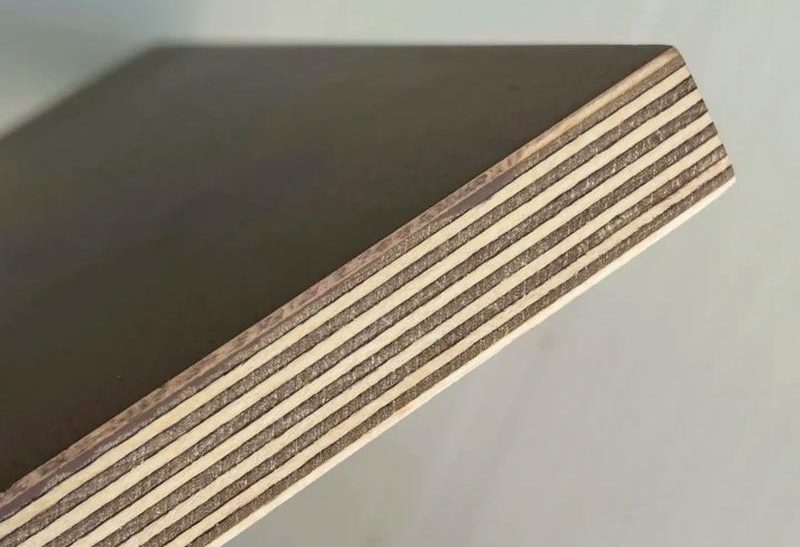
Plywood is an engineered wood panel made by bonding several veneer layers together. The grain direction of adjacent veneers is usually crossed, which helps the panel stay more stable than a single solid wood board. This cross-laminated structure is one reason plywood is widely used in furniture, construction, packaging, doors, and laminated panels.
From an industry perspective, APA’s official plywood overview is a useful reference for understanding how plywood is described and used in engineered wood applications.
Plywood Structure: Face, Back, Core, and Glue Line
A plywood panel can be understood through four purchasing elements: face veneer, back veneer, core veneer, and glue line. Each part affects the final value of the board. The face affects appearance and lamination quality. The back affects flatness and secondary processing. The core affects strength, weight, screw holding, and cost. The glue line affects moisture resistance, heat resistance, and bonding stability.
- Face veneer: affects visual quality, sanding result, painting, veneer lamination, and melamine facing.
- Back veneer: may be lower grade than the face, but it should not have serious cracks, contamination, or large repairs.
- Core veneer: affects panel strength, flatness, screw holding, and the risk of core gaps or overlap.
- Glue line: determines whether the panel is suitable for dry interior use, humid conditions, formwork, or higher-performance applications.
A better B2B purchasing question is not only “How much is plywood per sheet?” A more useful question is: What is the face/back grade? What core species is used? What is the thickness tolerance?
Why Plywood Uses Cross-Laminated Veneer Layers
The main technical logic behind plywood is cross lamination. Adjacent veneers are arranged with grain directions at right angles. This reduces natural wood movement in one direction and improves dimensional stability across large panel sizes.
For importers, dimensional stability is not a minor technical detail. If panels bend, twist, or delaminate after sea shipment or local storage, the local customer sees a quality problem. That is why plywood structure, moisture control, glue type, and packing all matter in international trade.
For a deeper background on wood structure, moisture behavior, and engineering properties, USDA Wood Handbook provides a more systematic technical reference.
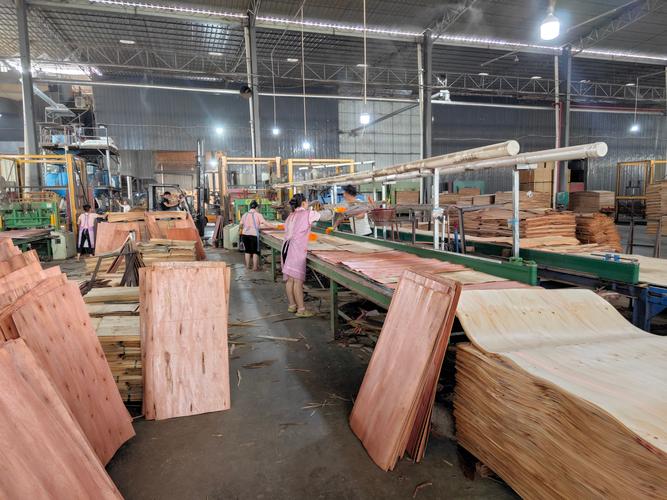
Common Core Types: Poplar, Eucalyptus, Hardwood, and Combi Core
Different markets prefer different core options. Some Southeast Asian and African markets may focus on cost and availability. Middle East buyers may care more about storage, packing, and consistency. Furniture factories often pay attention to weight, screw holding, machining performance, and surface quality after lamination.
- Poplar core: lighter weight and cost-friendly, often used for general furniture, packaging, and non-structural applications.
- Eucalyptus core: usually higher in density and hardness, suitable when buyers need better strength and screw holding.
- Hardwood core: stronger and more stable in many applications, but usually at a higher cost.
- Combi core: combines different species to balance cost, weight, and strength.
Core veneer itself also has grades. Higher-grade core veneer is usually more complete, more uniform in thickness, cleaner in color, and has fewer joints. Medium-grade core allows reasonable jointing and repairs, but should avoid large gaps, decay, serious overlap, or wide cracks. Lower-grade core may have mixed color, more repairs, and more joints. It may work for low-cost packaging or temporary use, but it is not ideal for orders that require flatness, screw holding, or high-quality facing.
Face and back grades are more appearance-driven. A or AA faces are cleaner and more uniform. BB or CC grades may allow repairs, patches, color variation, or more natural defects. In B2B quotations, buyers should separate face grade, back grade, and core grade instead of using a vague phrase such as “good quality plywood”.

Glue Types and What Buyers Should Confirm
Glue type is one of the most misunderstood parts of plywood buying. Many buyers ask for MR, WBP, melamine, or phenolic glue, but different suppliers may use these terms differently. The safest approach is to confirm the glue type together with the intended application and test requirement.
- MR glue: generally used for dry interior applications and should not be treated as long-term waterproof glue.
- Melamine glue: often provides better moisture resistance than basic interior glue and can be used for higher-demand indoor applications.
- Phenolic glue: commonly used for film faced plywood, formwork plywood, or panels that need stronger moisture resistance.
- WBP: should be treated as a performance description and confirmed with boiling test, bonding strength, or agreed inspection standard.
If the order is related to the United States market, EPA composite wood products formaldehyde standards are an important source for understanding formaldehyde compliance requirements for composite wood products.
How to Build a Clear Plywood Specification
A clear plywood specification should include size, thickness, thickness tolerance, face/back grade, core type, glue type, moisture range, sanding requirement, packing method, MOQ, loading method, and inspection requirement. Without these details, two suppliers may quote very different products under the same product name.
- Size: 4×8 ft is common, but 4×9, 4×10, and metric sizes may also be available depending on the order.
- Thickness: common options include 12mm, 15mm, 16mm, 18mm, and 3/4 inch. Actual tolerance should be confirmed before ordering.
- Surface: raw panel, melamine faced board, veneer faced plywood, or film faced plywood.
- Packing: plastic film, cover boards, steel straps, fumigated pallets, and container loading method affect damage risk.
- Inspection: size, thickness, moisture, surface defects, edge quality, and packing should be checked before shipment.
Momentimber plywood sourcing support can help buyers match core, surface, glue, thickness tolerance, packing, and inspection requirements according to the target market. This reduces the risk of comparing quotations that look similar but are based on different specifications.
Common Mistakes When Buying Plywood
- Comparing only unit price without checking core type, glue, grade, and thickness tolerance.
- Assuming marine plywood is completely waterproof without confirming glue type and test conditions.
- Looking only at the face veneer while ignoring core gaps, overlap, delamination, or warping.
- Not confirming export packing, which can lead to edge damage during sea shipment or local warehousing.
- Comparing quotations from different suppliers before confirming that all specifications are the same.
FAQ
Conclusion
Understanding what is plywood is not about memorizing a definition. It is about knowing how veneer structure, core grade, glue type, and specification details affect purchasing risk. For importers and distributors, plywood value is measured by stable supply, consistent specification, reliable packing, and fewer customer complaints.
If you already know your target market, application, thickness, surface, and packing requirement, the next step is to prepare a clear specification sheet and ask suppliers to quote against the same standard.
recent posts
Sanded OSB for Furniture Still Needs a Finish Plan
OSB material reference only; sanding quality and the final finish need separate approval. Sanded OSB…
Plywood vs OSB for Crates Is More Than a Price Choice
Protected panel bundles are a supply-stage reference, not an approved design for a shipping crate….
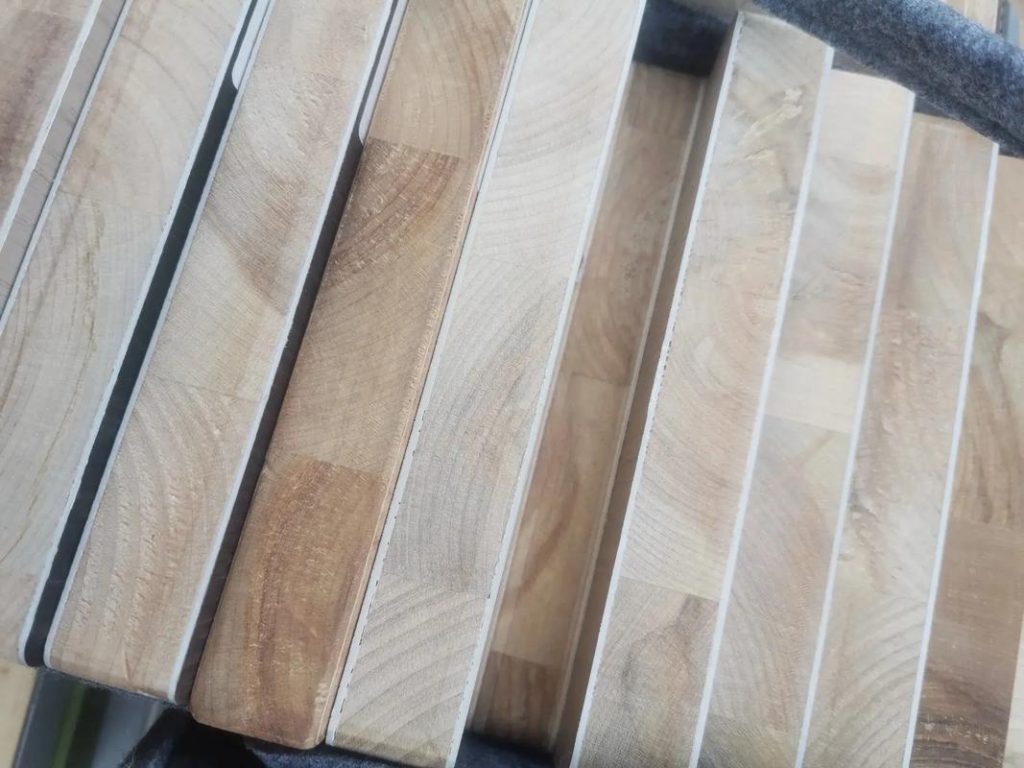
Blockboard vs Finger Joint Board for Furniture Buyers
A visible timber-strip core does not make the finished panel the same as an exposed…
Synchronized Melamine Board Goes Beyond the Print
Woodgrain design reference only. A flat image cannot demonstrate EIR texture or alignment. Synchronized melamine…