


Melamine board is common in furniture, cabinets, office furniture, shelving, interior decoration, and building material distribution. However, many importers still treat it simply as a colored board surface. That creates problems when they compare quotations, inspect quality, explain products to customers, or handle after-sales complaints.
A better way to understand melamine board is to separate it into a surface system and a substrate system. The surface system includes melamine impregnated paper, color, texture, pressing quality, stain resistance, and wear performance. The substrate system includes MDF, particle board, plywood, blockboard, or another panel used inside. These two systems should be judged separately before they are combined into one purchasing specification.
For basic background on the resin system behind the surface material, melamine resin is a useful neutral starting point.
Melamine, Melamine Resin, Melamine Paper, and Melamine Board Are Not the Same Thing
In real sales conversations, buyers often use melamine, melamine paper, and melamine board as if they mean the same thing. For importers and distributors, this is risky. Each term points to a different part of the product.
| Term | More Accurate Meaning | Why It Matters in Purchasing |
| Melamine | A chemical raw material, not a board and not paper by itself | Do not treat the raw material name as a complete quality standard |
| Melamine resin | A thermosetting resin system commonly used for impregnated decorative papers | Affects curing, hardness, stain resistance, and heat resistance |
| Melamine impregnated paper | Decorative paper impregnated with resin and dried before pressing | Controls color, texture, surface feel, and pressing stability |
| Melamine board | Melamine impregnated paper pressed onto MDF, particle board, plywood, blockboard, or another substrate | Final quality depends on both surface and substrate |
When a customer asks, “Do you have melamine board?”, the supplier should not stop at yes or no. The next questions should cover substrate, color code, texture, thickness, application, single-sided or double-sided surface, packing, and any special moisture or wear requirements.
How Melamine Impregnated Paper Is Made
Melamine faced board is not usually made by simply gluing ordinary printed paper onto a board. In a typical process, decorative base paper is selected, impregnated with resin, dried to a controlled condition, cut to size, stored carefully, and then hot pressed onto the substrate.
| Step | What Happens | What Importers Should Watch |
| Decor paper selection | Solid color, wood grain, stone pattern, or special texture paper is selected | Color code, texture direction, and batch consistency |
| Resin impregnation | The paper absorbs melamine resin or a related resin system | Resin content, resin distribution, and paper brittleness |
| Drying / B-stage | The paper is dried to a condition suitable for storage and hot pressing | Over-dry paper may become brittle; too much moisture may affect pressing |
| Cutting and storage | The impregnated paper is cut and stored before pressing | Moisture protection, dust control, folds, and shelf life |
| Hot pressing | The paper cures and bonds to the panel under heat and pressure | Temperature, pressure, time, substrate moisture, and surface flatness |
The key point is that melamine impregnated paper is only one part of the surface system. Even if the paper color is good, the finished board may still show bubbles, delamination, dents, color variation, or uneven surface if the substrate moisture, sanding quality, or pressing parameters are unstable.
Surface System and Substrate System Should Be Inspected Separately
Melamine board quality should not be judged only by whether the board looks attractive on the surface. In real claims, many problems become difficult because buyers mix the surface system and substrate system together. The customer sees a surface defect, the factory says it is a substrate issue, and the importer is left trying to identify responsibility after the shipment has arrived.
| System | Main Inspection Points | Common Problems |
| Surface system | Color, texture, gloss, pressing quality, stain resistance, scratch resistance, paper damage | Color variation, white spots, dents, bubbles, contamination, texture direction mismatch |
| Substrate system | Density, flatness, moisture content, internal bond, edge machining, thickness tolerance | Warping, edge chipping, weak screw holding, powdery edges, poor edge banding |
| Packing system | Plastic film, cover boards, corner protection, pallets, steel straps, container fixing | Broken corners, water entry, deformed pallets, pressure marks |
If importers define these three systems separately before ordering, quotations become easier to compare and pre-shipment inspection becomes easier to execute.
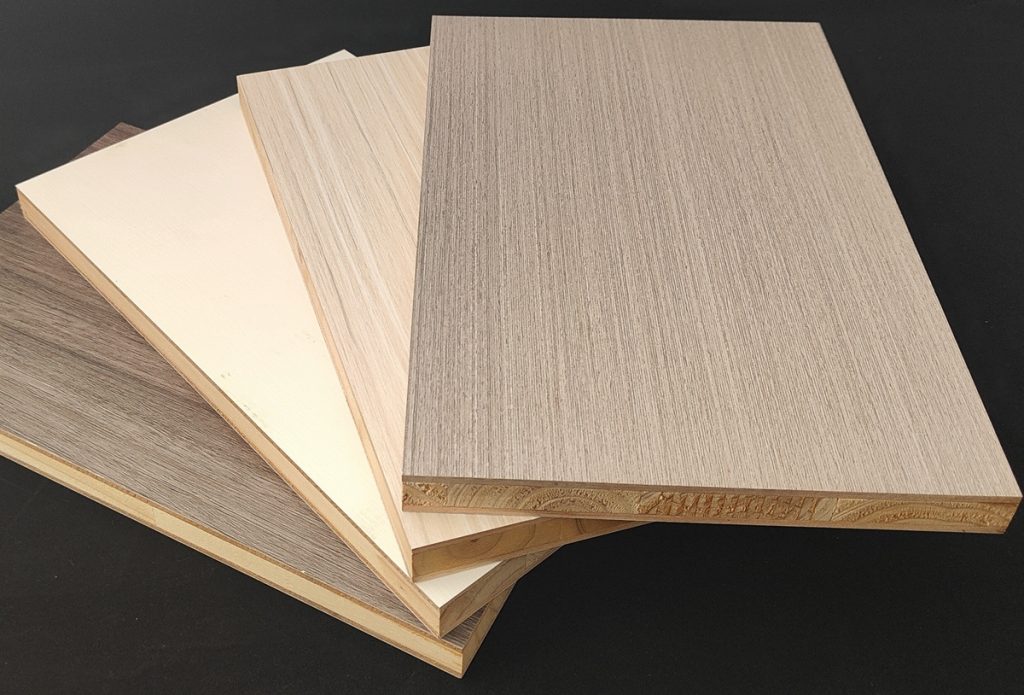
Real Import Problem 1: Color Difference Between Sample and Bulk Goods
One of the most common problems in melamine board sales is color difference. A small sample may look good, but the bulk shipment may not match perfectly. For distributors, this is not a small issue. Customers may reorder, combine different batches, or use boards in the same project, and visible color variation can directly affect sales.
Possible reasons include decor paper batch differences, printing batch variation, color change after resin impregnation, hot pressing temperature differences, substrate base color, or storage time.
- Confirm a master sample before order confirmation and keep the approved sample on both sides.
- Use a clear color code, texture code, and finish code instead of writing only white, oak, or walnut.
- For repeat orders, mention the previous batch reference before production starts.
- If the customer is color-sensitive, include color comparison in inspection instead of checking only size and quantity.
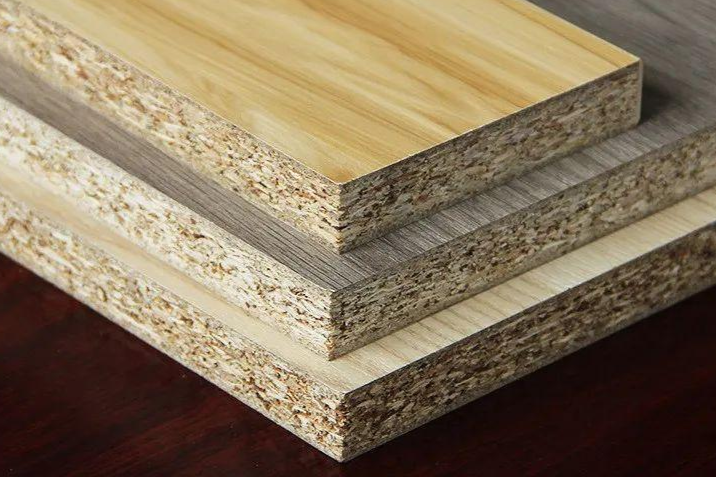
Real Import Problem 2: The Board Looks Fine Before Cutting, but Fails During Edge Banding
Many melamine boards look acceptable as full sheets. Problems appear only after cutting, drilling, grooving, or edge banding. The customer may report chipping, powdery edges, weak edge banding, or poor screw holding. These issues are often not just surface paper problems. They are usually related to substrate density, surface layer strength, cutting tools, moisture content, and edge banding glue.
| Problem | Possible Cause | What to Confirm Before Buying |
| Chipping after cutting | Low substrate density, unsuitable saw blade, brittle paper | Substrate type, density range, cutting test |
| Weak edge banding | Powdery edge, high moisture, glue mismatch | Edge quality, moisture content, edge banding test |
| Poor screw holding | Low density particle board or weak internal bond | Density, screw holding, application position |
| Rough grooved edge | Uneven MDF or particle board internal structure | Core quality, machining sample |
Momentimber melamine faced board selection and sample confirmation support can help buyers confirm substrate, melamine paper, color code, edge banding compatibility, and target application before the formal order.
Real Import Problem 3: Customers Treat Melamine Surface as Waterproof
The surface of melamine board is usually more stain resistant and easier to clean than raw board. It may also tolerate short contact with moisture better than an unfinished panel. But this does not mean the whole board is waterproof. Moisture can still enter through edges, holes, cut surfaces, the back side, or damaged areas.
If customers use melamine board in kitchens, bathrooms, humid warehouses, or rainy-season job sites, importers should explain the application boundary before selling. Surface stain resistance and easy cleaning do not equal long-term water immersion or exterior exposure.
- For humid markets, pay close attention to substrate moisture content and edge sealing.
- Do not sell ordinary melamine faced particle board as an exterior waterproof panel.
- If the customer needs better moisture resistance, discuss MR MDF, moisture-resistant particle board, plywood substrate, or other suitable options.

Real Import Problem 4: Why White Melamine Board Prices Can Be So Different
White melamine board looks simple, but price differences can come from substrate, density, thickness tolerance, paper quality, paper weight, surface texture, one-sided or two-sided pressing, packing standard, and compliance documents.
| Price Factor | Why It Affects Cost |
| Substrate | MDF, particle board, plywood, and blockboard have different cost and performance levels |
| Density | Affects weight, strength, machining, container loading, and freight cost |
| Paper quality | Affects color, opacity, surface feel, stain resistance, and wear performance |
| Pressing quality | Affects bubbles, dents, surface flatness, and bonding stability |
| Packing | Stronger packing costs more but reduces shipping and warehouse damage |
| Compliance documents | Testing and certification costs may be reflected in the quotation |
When importers compare melamine board prices, suppliers should quote against the same specification. Otherwise, a lower price may simply mean lower substrate grade, thinner paper, weaker packing, or missing compliance documents.
How to Choose the Substrate: MDF, Particle Board, Plywood, or Blockboard
| Substrate | Suitable Applications | What to Watch |
| MDF | Flat surface, cabinet doors, painted parts, and finer machining | Weight, moisture behavior, edge absorption, screw holding |
| Particle board | Cabinet carcasses, shelves, flat-pack furniture, and cost-sensitive projects | Density, edge banding, screw holding, edge strength |
| Plywood | Applications needing better structural stability and screw holding | Higher cost, surface preparation, and possible surface telegraphing |
| Blockboard | Large furniture panels, doors, and lighter panel structures | Core strip gaps, flatness, and surface pressing stability |
This is why melamine board should not be quoted only by color. A useful quotation should combine melamine paper, substrate, application, and packing into one clear specification.
Compliance and Formaldehyde Emissions Should Be Prepared Early
If the substrate is MDF, particle board, or hardwood plywood and the target market includes the United States, importers may need to consider composite wood product formaldehyde emission requirements, labels, records, and compliance documents. Even if the surface is already laminated with melamine paper, the substrate emission level can still matter to buyers.
For orders involving the U.S. market, EPA composite wood products formaldehyde standards are an important authority for understanding composite wood product compliance requirements.
For non-U.S. markets, customers may also ask for E1, E0, CARB, TSCA Title VI, or similar terms. Importers should confirm which standard the customer actually needs, whether a third-party test report is required, and whether labels should appear on packaging or documents.
How to Write a B2B RFQ for Melamine Board
A useful melamine board RFQ should not only say “white melamine board 18mm price.” It should combine surface, substrate, specification, application, packing, and compliance.
- Product: melamine faced MDF, particle board, plywood, or blockboard.
- Size and thickness: 1220 x 2440 mm, 18mm, and tolerance requirement.
- Surface: white, wood grain, solid color, color code, texture, and gloss level.
- Paper and pressing: single side or double side, same color or different back.
- Substrate: density range, moisture content, grade, and edge quality.
- Application: cabinet, wardrobe, office furniture, shelving, or interior panel.
- Packing: plastic film, cover board, pallet, steel strap, and edge protection.
- Compliance: E1, E0, CARB, TSCA Title VI, or test report if required.
- Inspection: color sample comparison, surface defects, thickness, edge condition, packing, and loading photos.
How Importers Can Reduce Complaints After Arrival
If OSB arrives wMany melamine board complaints happen after arrival: humid warehouse conditions, uneven stacking, unsuitable cutting tools, mixed batches, or long exposure to heat and humidity. If importers treat every complaint as a production defect, they may miss the real reason behind the problem.
| Stage | Recommended Action |
| After arrival | Check whether outer packing is broken, wet, or deformed |
| Warehouse storage | Avoid direct ground contact; keep boards flat, dry, and ventilated |
| Sales stage | Separate batches, keep samples, and explain suitable applications |
| Before customer machining | Recommend proper saw blades, edge banding, and hole protection |
| When complaints happen | Collect batch number, photos, storage condition, cutting method, and damage position |
FAQ
Conclusion
Melamine board is more than a colored surface. For importers and distributors, the practical way to buy is to confirm melamine impregnated paper, pressing quality, substrate type, machining performance, storage conditions, and compliance documents before comparing prices.
recent posts
Sanded OSB for Furniture Still Needs a Finish Plan
OSB material reference only; sanding quality and the final finish need separate approval. Sanded OSB…
Plywood vs OSB for Crates Is More Than a Price Choice
Protected panel bundles are a supply-stage reference, not an approved design for a shipping crate….
Blockboard vs Finger Joint Board for Furniture Buyers
A visible timber-strip core does not make the finished panel the same as an exposed…
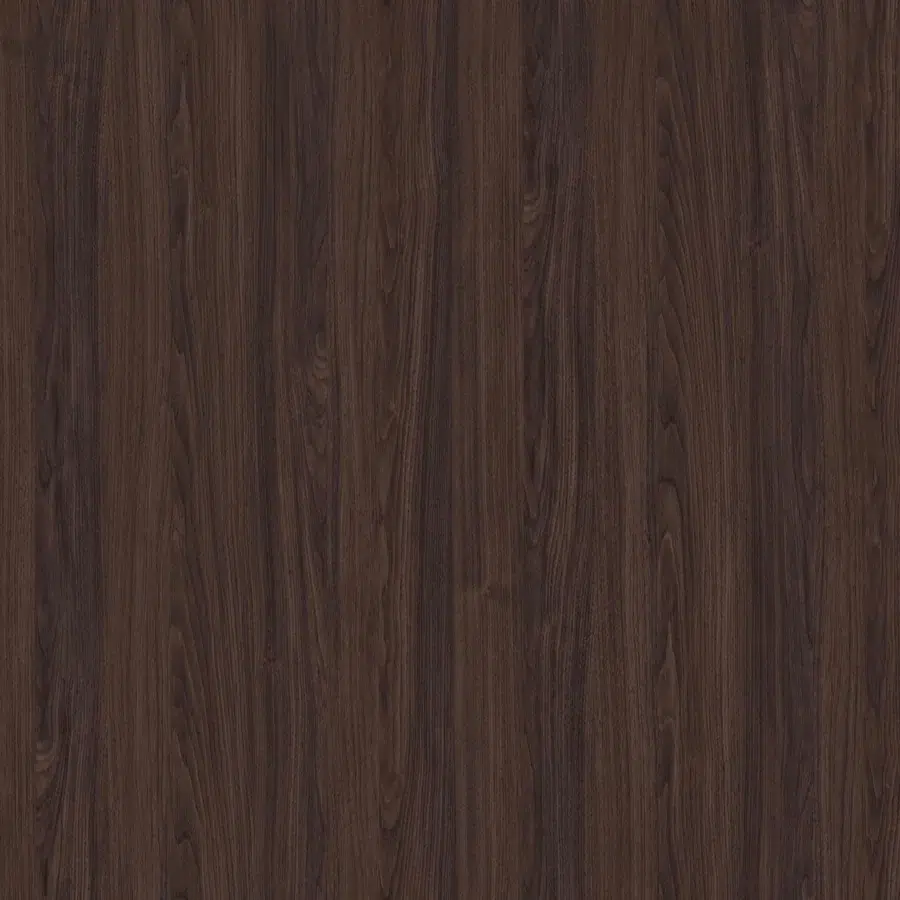
Synchronized Melamine Board Goes Beyond the Print
Woodgrain design reference only. A flat image cannot demonstrate EIR texture or alignment. Synchronized melamine…