


There is no perfect glue, as we all know. No single glue can simultaneously be cheap, environmentally friendly, highly adhesive, and moisture-proof. People have to make a choice among them, so it is crucial to select the right glue according to needs. This guide analyzes how different types of plywood glue affect board strength and safety, helping you choose the best materials for your specific production needs.
Why Glue Defines Plywood Quality
In the timber industry, we often say that the wood gives plywood its look, but the glue gives it its life. Many professionals focus only on the wood species, such as poplar or eucalyptus. However, the plywood glue used in the factory determines if a cabinet will last for twenty years or fall apart in a few months.
Gluing plywood is more than just sticking layers together. It is a chemical process.
The glue must penetrate the wood fibers and create a permanent bond. If the glue is poor, the layers will separate (delaminate) when the temperature or humidity changes. For high-end furniture makers, the best glue for plywood is one that balances cost, strength, and health standards.
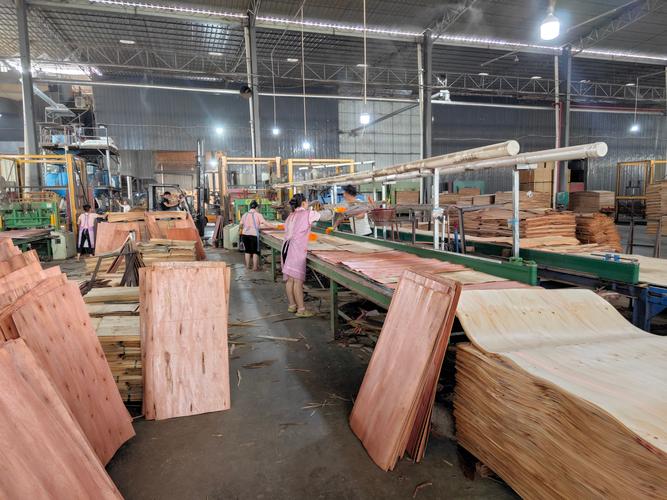
Common Glue Types in Production
Most plywood in the global market uses one of four main chemical resins. Each has its own advantages and limits.
Urea-Formaldehyde (UF) Resin
UF resin is the most common wood glue plywood factories use. It is a low-cost, synthetic resin that cures quickly under heat.
- Properties: It creates a very hard and clear bond. It is perfect for interior furniture like bedroom wardrobes or office desks.
- Limitations: It is not water-resistant. If it gets wet, the bond breaks down. It also has higher formaldehyde emissions, which may not meet strict indoor air rules in some countries.
Melamine-Urea-Formaldehyde (MUF) Resin
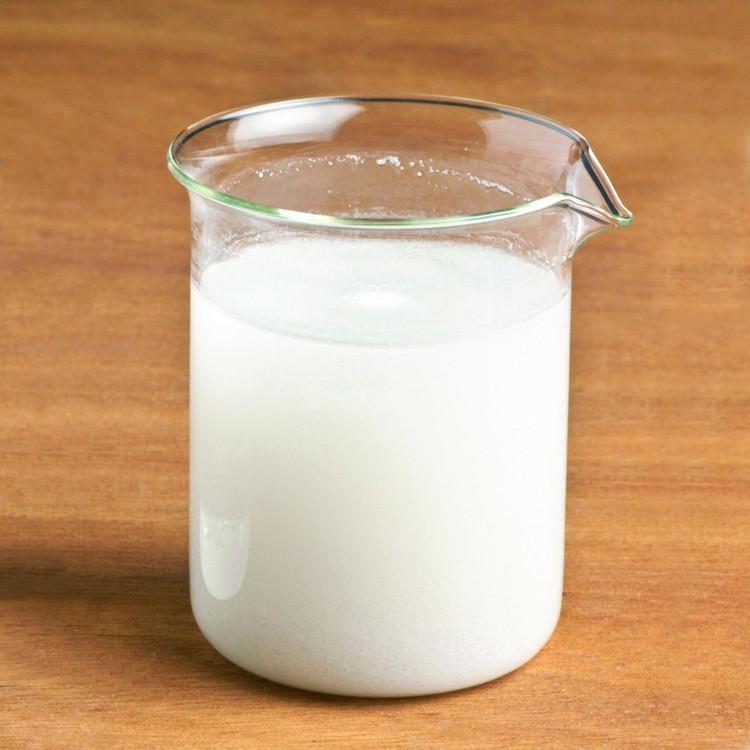
MUF is a “hybrid” glue. It adds melamine to the UF resin to make it stronger and more resistant to water.
- Properties: Adding melamine helps the board pass “Moisture Resistant” (MR) tests. It is the standard choice for kitchen and bathroom cabinets where the air is humid.
- Limitations: It is more expensive than regular UF resin. However, it provides a much better safety margin for furniture in damp conditions.
Phenol-Formaldehyde (PF) Resin
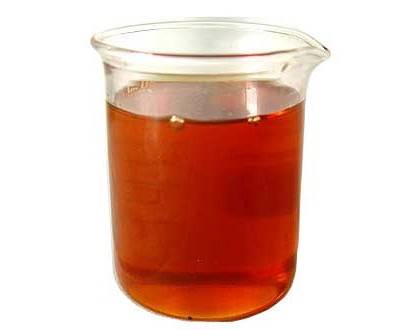
PF resin is the “heavy-duty” option. It is a dark, reddish-brown glue used for structural panels.
- Properties: It creates a bond that is stronger than the wood itself. It is fully waterproof and can handle boiling water and extreme weather. This is the glue used in marine plywood and construction formwork.
- Limitations: Because of its dark color, it can sometimes leave a visible “glue line” on the edges of the board. It also requires much higher temperatures to cure in the press.
MDI (Methylene Diphenyl Diisocyanate)
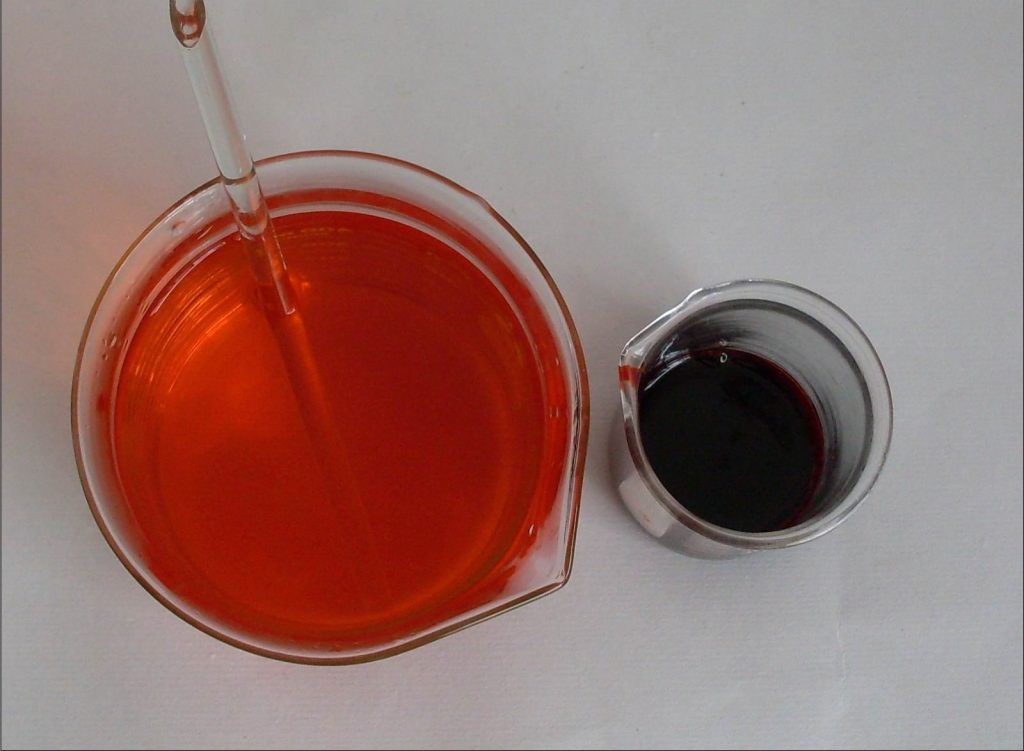
MDI is the premium, eco-friendly choice. It is a formaldehyde-free adhesive.
- Properties: It is a “NAF” (No Added Formaldehyde) glue. It provides excellent bonding strength and is very stable. It is the best choice for high-end furniture sold in the US (CARB P2) or Europe (E0).
- Limitations: It is significantly more expensive than UF resins. However, for B2B buyers targeting the eco-conscious market, it is a key selling point.
Comparison of Glue Performance and Costs
To help you make a business decision, we have summarized the most important factors for the resins mentioned above.
| Glue Type | Price Level | Bond Strength | Water Resistance | Formaldehyde Emission |
| UF Resin | Low | Good | Low | E1 / E2 |
| MUF Resin | Medium | High | Medium | E1 / E0 |
| PF Resin | High | Very High | Excellent | Very Low |
| MDI Glue | Very High | Very High | High | NAF (Safe) |
Waterproof Glue Ratings: MR vS WBP
When you buy boards, you will see labels like MR or WBP. These labels refer to how the plywood glue performs in different environments.
MR Grade (Moisture Resistant)
BMost interior furniture uses MR grade. It is usually made with MUF glue. It can handle humidity, but it cannot handle direct water for a long time. It is a cost-effective choice for most indoor household furniture.
WBP Grade (Weather and Boil Proof)
If your furniture is for outdoor use, or for a kitchen near a sink, you may need WBP grade. This rating means the board can stay in boiling water for several hours without the layers splitting. PF resin is the most common glue for WBP boards. Using the best glue for plywood with a WBP rating ensures your product survives in tropical or coastal climates.
Industrial Insights: Gluing Plywood for Better Yield
Experienced manufacturers know that gluing plywood is not just about the chemistry; it is about the application.
- Glue Spread: If the factory uses too much glue, the board becomes heavy and brittle. If they use too little, you get unstable bond which cause delamination. A professional supplier uses automated rollers to ensure the glue is even.
- Press Time and Heat: The glue needs the right hot-press time. If the press is too fast, the glue doesn’t cure. If it’s too slow, the wood fibers get damaged.
- Formaldehyde Management: If you use UF glue, adding “formaldehyde scavengers” can help lower the emissions to meet E1 standards. This allows you to keep the cost low while still being safe for the end-user.
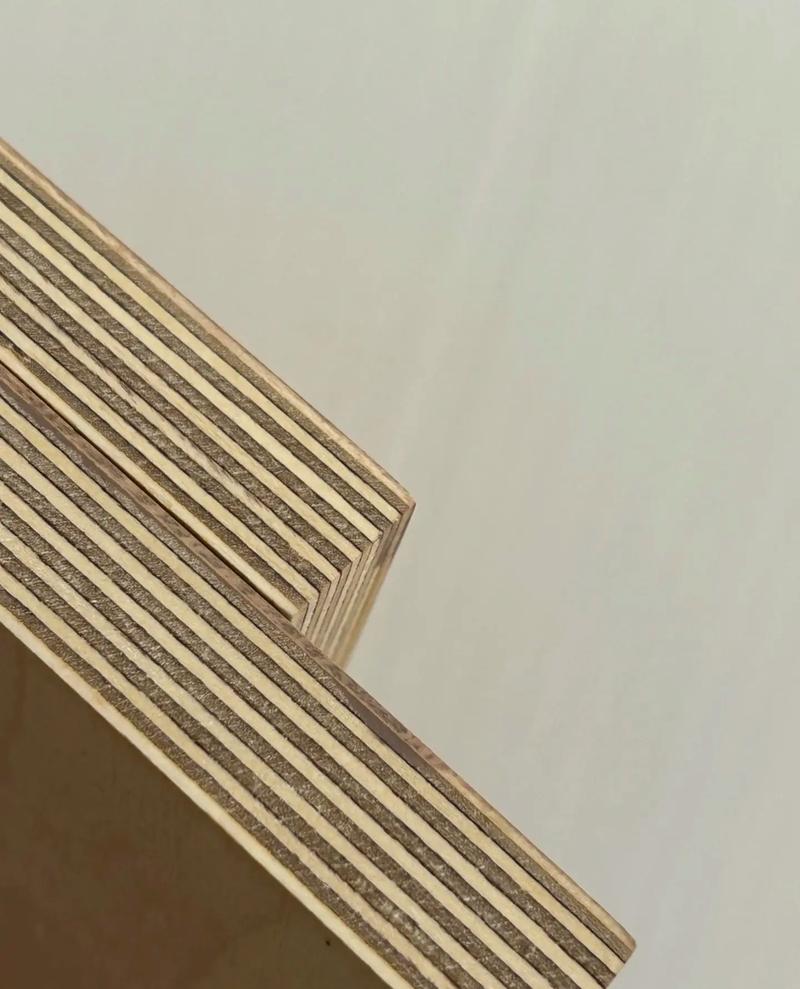
Advanced Insight: Wood Species and Glue Failure
A deep secret in the industry is how wood species react to glue. For example, eucalyptus is a dense wood with natural oils and a high pH (acidity). These oils can sometimes stop UF glues from soaking in properly. This is why a glue that works perfectly on poplar might fail on eucalyptus.
Another factor is “Hydrolysis.” This is a chemical reaction where water in the air slowly breaks down the glue bonds over many years. UF glue is more prone to this than PF or MDI.
If you are making furniture for a luxury hotel that needs to last 20 years, think about how the glue will age. Don’t just focus on how strong it is now. High-density wood combined with a high-moisture environment is a recipe for glue failure if the resin choice is too weak.
Conclusion
In the B2B world, the plywood glue you choose is a balance between your budget and your quality promise. UF and MUF resins are great for saving costs on interior furniture. However, if you are building for wet environments or health-conscious customers, investing in PF or MDI glues is the smarter long-term move.
Are you evaAs a manufacturer or distributor, understanding these chemical details helps you avoid claims and returns. It also gives you the confidence to explain your product’s value to your own clients.
recent posts
Sanded OSB for Furniture Still Needs a Finish Plan
OSB material reference only; sanding quality and the final finish need separate approval. Sanded OSB…
Plywood vs OSB for Crates Is More Than a Price Choice
Protected panel bundles are a supply-stage reference, not an approved design for a shipping crate….
Blockboard vs Finger Joint Board for Furniture Buyers
A visible timber-strip core does not make the finished panel the same as an exposed…
Synchronized Melamine Board Goes Beyond the Print
Woodgrain design reference only. A flat image cannot demonstrate EIR texture or alignment. Synchronized melamine…