

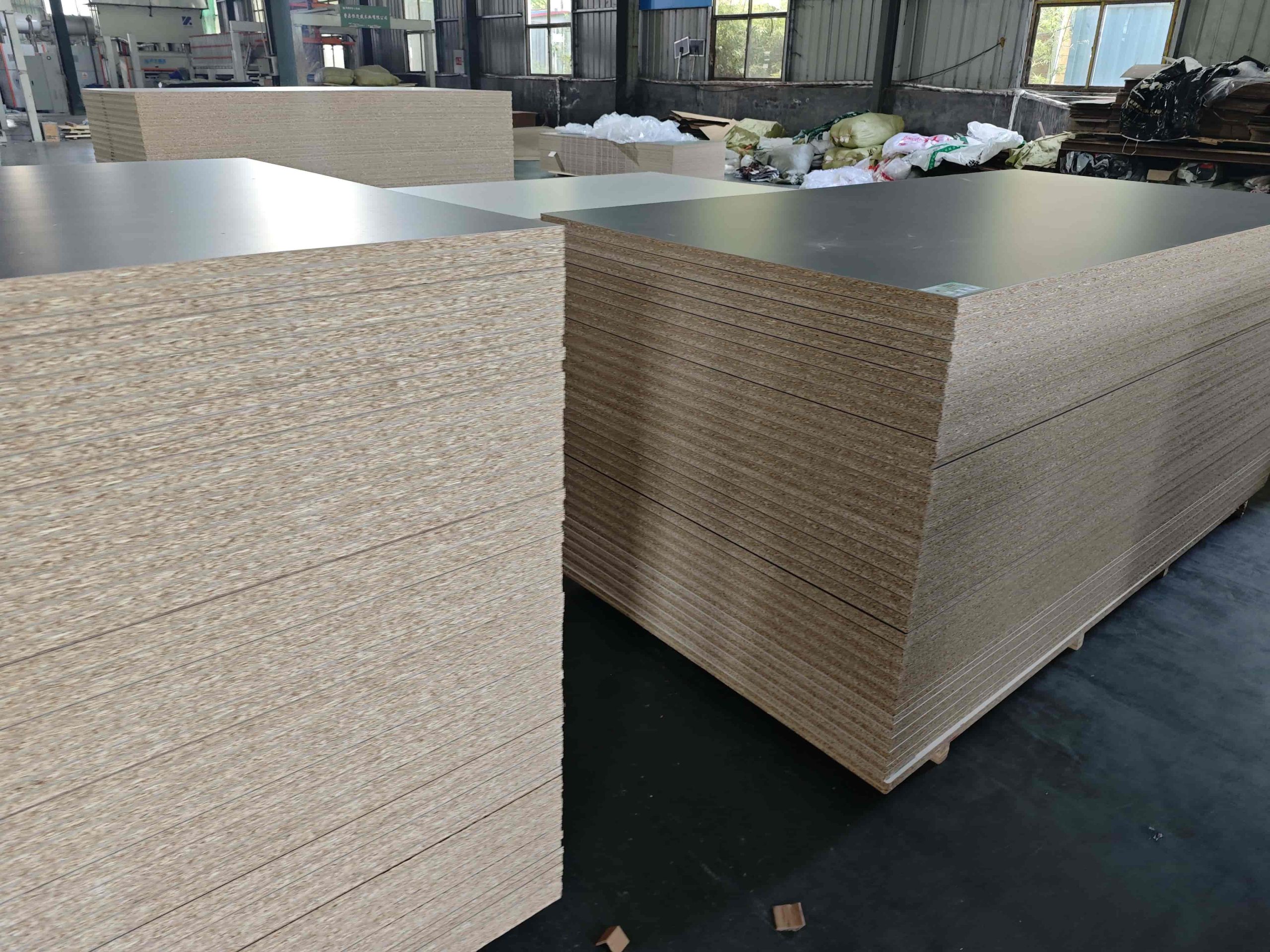
Cleaning melamine board should start with the supplied care instructions and a gentle method, not the strongest cleaner in the workshop. Remove loose dirt with a clean soft cloth. Use only a suitable cleaner when needed, then dry the area. Stop if the mark looks like a scratch or a change in gloss. More rubbing may make that damage larger.
Know Which Surface You Are Cleaning
A melamine-faced board has a decorative surface on a supporting panel. That panel may be particleboard or MDF. A dense finished face and an exposed cut edge are different surfaces. Keeping the face clean does not make the underlying board waterproof.
A removable protective film is another separate layer. Identify it before cleaning. Do not apply a permanent-surface routine to an unknown film or assume that sticky residue means the decorative face has failed.
A downstream furniture maker’s care guidance for melamine-faced surfaces supports gentle cloth cleaning and drying. Use the instructions supplied with the actual panel for product-specific details. A cleaning tip for a different finish may not apply.
Cleaning Melamine Board Starts with the Mark
| What you see | First response | When to stop |
|---|---|---|
| Loose dust or a fresh light mark | Use a clean soft cloth and the permitted gentle routine | Stop if rubbing changes the gloss |
| Smears after cleaning | Check the cloth and remaining cleaner then dry the face | Do not keep adding concentrated cleaner |
| Glue or unknown residue | Identify the substance and obtain an approved method | Do not guess with an aggressive solvent |
| A line cut into the face or a raised edge | Record the dry condition and identify the damage | Do not treat structural or surface damage as dirt |
For example, a shop may see a pale streak on a dark display panel. First compare the area after a gentle clean and full drying. If the streak remains, take a clear photo before trying another product. A new glossy patch from hard rubbing creates a second issue and makes the original mark harder to assess.
Avoid dry rubbing over trapped grit. Keep cleaning liquid away from exposed edges and joints, and remove excess moisture promptly. A small amount of controlled cleaning is different from soaking a part. Follow the actual finish instructions if a specialist cleaner is necessary.
Do Not Borrow a Harsher Routine from Another Material
The ICDLI care information for HPL concerns high pressure laminate. HPL and direct melamine facing are not interchangeable product descriptions. Do not transfer a permission for a solvent, disinfectant or steam method to an unidentified melamine-faced panel.
Ask for specific approval before using strong chemicals or heat. Do not mix cleaning chemicals. Also avoid presenting furniture polish as a repair for a changed gloss level. A surface can look different after cleaning without needing another coating.
The difference between a mark and a surface defect matters here. Clean only as far as the approved method allows. If a dry photograph shows a cut, blister or swollen edge, investigate that condition rather than repeatedly trying to wash it away.
Give Customers a Short Care Handover
Importers should keep the actual finish reference with the care information. A distributor can pass that instruction to furniture workshops instead of making a blanket chemical-resistance claim. The workshop should keep a labelled offcut for an approved trial away from the visible part.
Use a short record when a customer reports a problem: the board reference, substance, cleaning method and dry appearance. This is useful even for a small business without laboratory equipment. Cleaning melamine board becomes less risky when staff can identify the actual finish and the mark before choosing a method. That reduces the chance that an uncertain attempt turns into permanent damage.
Frequently Asked Questions
Related Reading
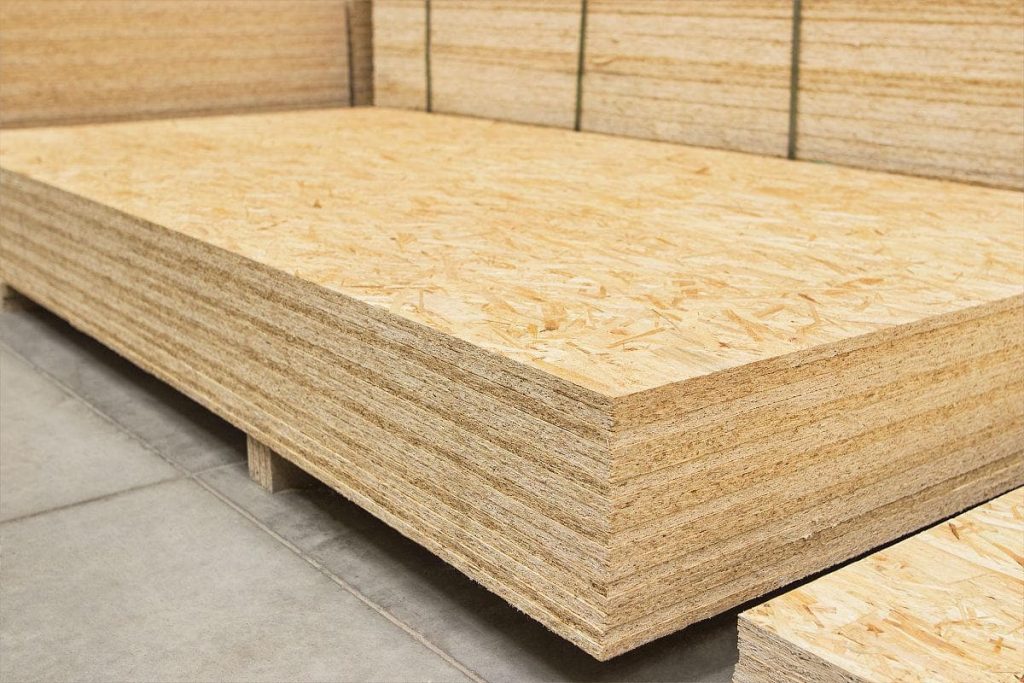
Sanded OSB for Furniture Still Needs a Finish Plan
OSB material reference only; sanding quality and the final finish need separate approval. Sanded OSB…
Plywood vs OSB for Crates Is More Than a Price Choice
Protected panel bundles are a supply-stage reference, not an approved design for a shipping crate….
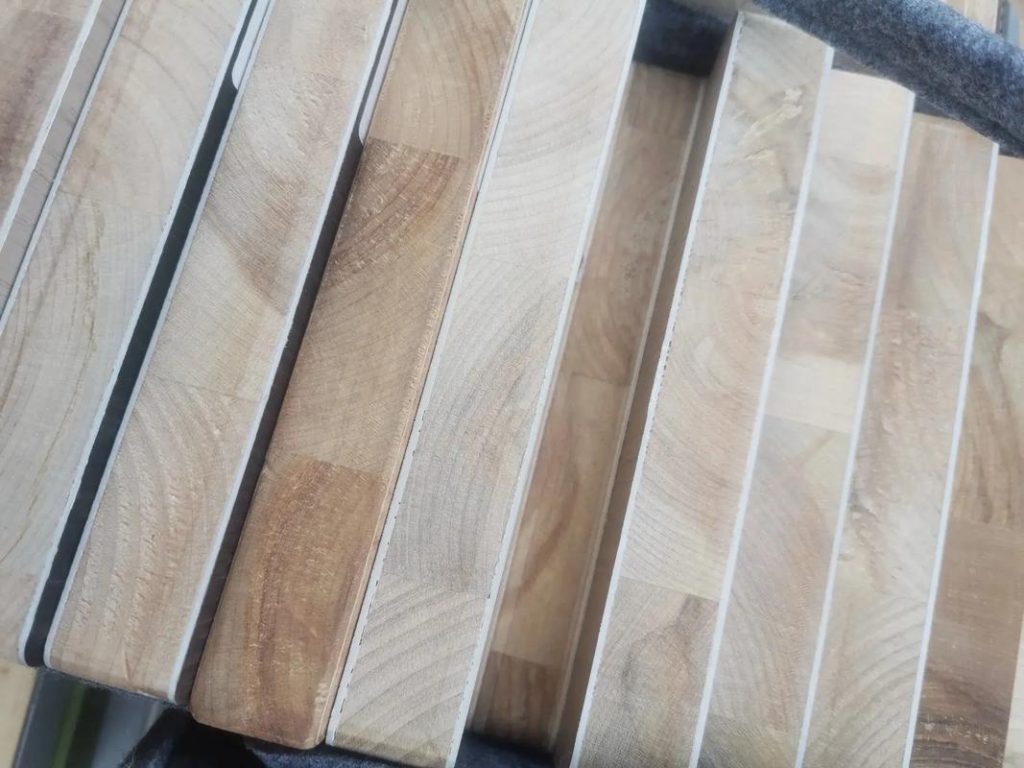
Blockboard vs Finger Joint Board for Furniture Buyers
A visible timber-strip core does not make the finished panel the same as an exposed…
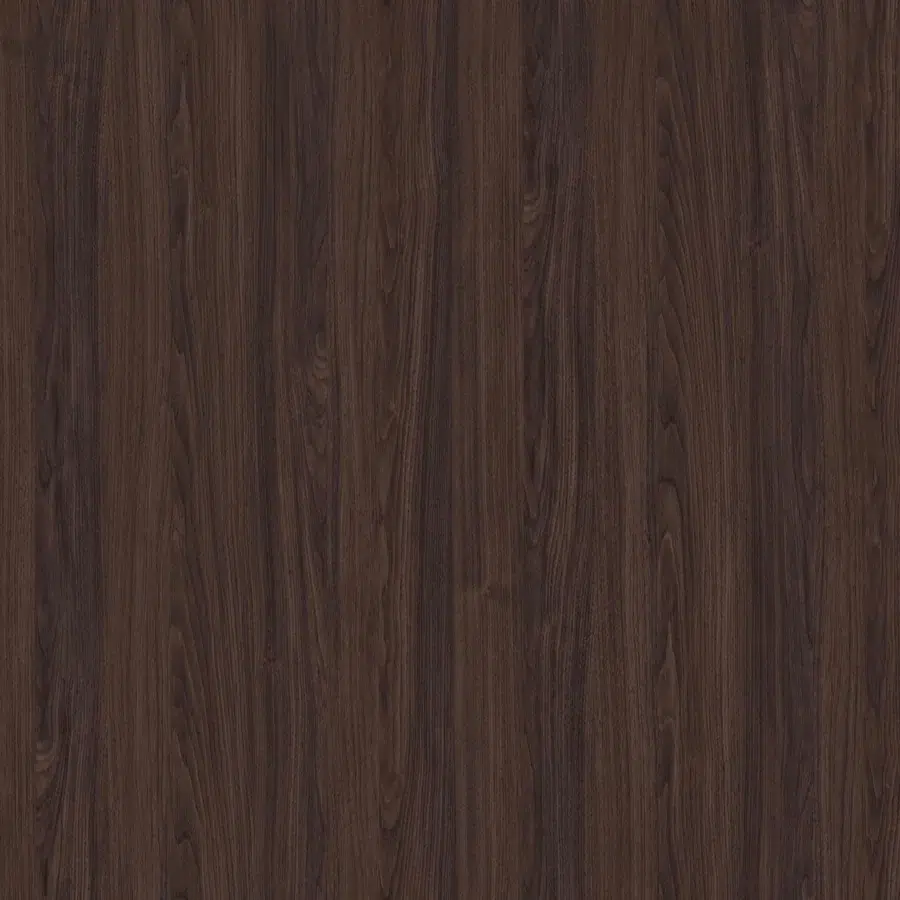
Synchronized Melamine Board Goes Beyond the Print
Woodgrain design reference only. A flat image cannot demonstrate EIR texture or alignment. Synchronized melamine…
Lightweight MDF vs Standard MDF for Furniture Parts
Panel appearance alone does not identify a lightweight MDF grade. Lightweight MDF can make a…
Film Faced Plywood Edge Sealing After Cutting
Film faced plywood edge sealing needs to follow the cutting and drilling plan. Factory edge…
What Is Melamine Board
Identify the decorative face and supporting substrate as separate systems.
Melamine Board Protective Film Removal
Distinguish a temporary handling cover from the permanent finished face.
Melamine Board Defects and Quality
Compare a removable mark with symptoms that need a different investigation.
Choosing a panel range for local furniture customers? Send the substrate, decor, finish and intended application. Momentimber can discuss raw and melamine-faced board options and the care information needed for your product handover.