


A cabinet door can look excellent as a flat MDF sheet and still disappoint after the router has cut a deep profile around the edge. The paint shop may spend extra time filling fuzzy fibres. A hinge cup may land too close to a weakened profile. Or the first approved door may look good while later pieces show a different edge condition. For an importer, that is not merely a workshop detail. It changes rework, lead time and the confidence needed to sell a cabinet program. MDF routing quality should therefore be approved as a finished component before bulk production begins.
This is not a request for an expensive laboratory test. It is a practical agreement between the buyer, the panel supplier and the door factory: which profile will be cut, what edge condition is acceptable, how it will be finished, and where the hardware sits. A smooth face is useful, but it is only the beginning of the decision.
Key takeaways:
1. Approve a routed MDF component, not only a flat sheet.
2. The profile section, finish system and hinge zones belong in the same order file.
3. A clean cut edge is different from a fully finished paint edge.
4. Keep the approved component and process notes as the Golden Sample.
5. Check the first production pieces before the whole door batch is routed.
Why a Flat MDF Sample Is Not Enough
The MDF product guide describes MDF as a fibreboard whose surface and machining requirements should be confirmed before quotation. That matters because a routed cabinet door exposes a new edge surface. The cutter is working through the board thickness, not simply across the sanded face. The component may then be painted, PVC wrapped, lacquered or used in another finishing route, each with a different tolerance for a rough edge.
The Wood Panel Industries Federation identifies MDF as a wood-based fibre panel. In a real door program, the buyer needs to translate that general material definition into a component requirement: profile shape, tool path, finish and fitting position. Do not ask a supplier to promise vague “high quality MDF”. Ask the factory to confirm the process that the customer will actually use.
| Buyer question | What to state | Why it matters |
|---|---|---|
| What is being routed? | Door frame profile, shaker groove, finger pull, decorative channel or edge radius. | Different shapes remove different amounts of material and leave different edge conditions. |
| What will finish the edge? | Paint, primer, PVC wrap, lacquer or another named process. | The finishing route sets the practical acceptance level for fibre texture and sanding. |
| Where is the hardware? | Hinge cup, screw line, pull or connector position from each edge. | A deep profile can change the remaining material around a fitting. |
| What is the reference? | A labelled component sample and an approved profile drawing. | It gives all parties one visible standard for later production and inspection. |
| What may change? | Board grade, finished thickness, profile, finishing system or hardware zone. | Any of these changes should trigger a new component trial, not an assumption. |
Start With the Door, Not the Board Name
A buyer often begins an RFQ with “18 mm MDF for cabinet doors.” That is a useful starting point, but it does not describe the job. Is the door flat or profiled? Is it a shallow groove or a deep edge moulding? Will the face be painted? Does the hinge drill close to the routed edge? These questions determine whether the selected MDF and finishing plan are practical.
Use the component drawing to connect the board to the application. Mark the visible face, reverse, profile section, final dimensions, hinge locations and finishing route. If the buyer is also evaluating a melamine-faced alternative, make the distinction clear: a melamine surface system is not intended to be routed and refinished in the same way as a raw MDF door. Choose the surface system after defining the component, not before.
The edge needs its own approval
A routed edge can be visually clean after machining yet still need preparation before coating. That is normal. The agreement should not promise an impossible “zero fibre” edge. Instead, approve a reasonable sequence: cut the profile, inspect it under normal side light, sand or seal it as the finishing process requires, then evaluate the finished surface. This makes it easier to separate a board issue from cutter wear, feed, sanding or paint preparation.
The hardware zone needs its own check
A profiled door often has less material at the edge than a plain slab door. Before placing the full order, drill and fit one representative hinge, pull or connector. The guide on MDF screw holding explains why screw position, pilot holes and fitting load matter alongside the board itself. A sample door with its actual hardware is stronger evidence than a density number on a quotation.
A Simple Approval Sequence for Importers
The safest sequence is short and repeatable. First, send the profile drawing and intended finish. Second, receive a labelled door component or make one using the selected board. Third, inspect the route, finish a small area and fit the key hardware. Finally, keep that part as the Golden Sample. This sequence is useful for a new decor program and for repeat orders where a board route, thickness or finishing method has changed.
| Stage | Practical check | Record to keep |
|---|---|---|
| Before quotation | Confirm profile drawing, final thickness, finish and hardware locations. | RFQ drawing and version number. |
| Sample routing | Cut one door-size or representative component with the intended tool path. | Photo of face, edge and cross-section with a label. |
| Finish trial | Apply the planned primer, paint or wrapping trial to the routed edge. | Photo under normal side light and finish reference. |
| Fitting trial | Drill and install one hinge or relevant fitting at the specified position. | Component photo with fitting and drilling note. |
| Bulk start | Review the first production pieces against the Golden Sample. | First-piece approval record and bundle label. |
Moisture condition and storage can influence how a panel behaves before it reaches the router. The article MDF Storage Before CNC gives a practical receiving and support checklist. It does not replace a routing trial, but it helps prevent a flat approved sample from becoming a different component after poor storage or uneven conditioning.
What to Put in the RFQ
Keep the RFQ specific enough to guide production but simple enough for a factory and buyer to use. State the raw MDF requirement, finished thickness and tolerance, component drawing, profile section, planned finishing method and hardware zones. If the client has a premium paint expectation, send a painted reference or approved door sample. A photo of an uncoated sheet cannot describe the final finish quality.
RFQ wording to adapt:
Raw MDF for routed cabinet-door components. Finished component thickness: [value and tolerance]. Attached drawing shows profile section, visible faces, hinge positions and edge details. Intended finish: [paint / primer / wrap]. Supply one labelled routed component for approval before bulk production. The Golden Sample must include the profile, finished edge, relevant hardware test and approved drawing reference. Any change to MDF specification, thickness, profile, finishing process or fitting position requires written approval.
Compare Offers by Finished-Door Risk
A low sheet price can be misleading when the door factory later needs extra filling, sanding, rejects or a new routing trial. Compare offers by the full component cost: board, routing result, finishing preparation, fitting success, expected waste and repeatability. A slightly different density-related requirement or surface condition can matter, but it should be assessed through the same door profile and finish process rather than through weight alone.
The article Why 18 mm MDF Sheets Weigh Differently is useful when a buyer needs to discuss density-related requirements. For a routed door, however, the next question is always: did the approved board make the approved component? That is the commercial test that protects the distributor and the furniture customer.
Keep the First Finished Door
Keep the approved door in the project file. Label it with board specification, thickness, profile version, finish, hardware and approval date. When a later order changes supplier, route, colour or lead time, that component gives everyone a clear reference. It prevents a discussion from turning into “the sheet looked fine” when the real promise was a finished cabinet door.
Momentimber supports MDF specification matching, sample coordination, production follow-up, inspection and packing evidence. Our company profile explains that supplier-service role. Send the door drawing, finish reference and target market before ordering so the routing requirement is clear before production starts.
Frequently Asked Questions
Related Reading
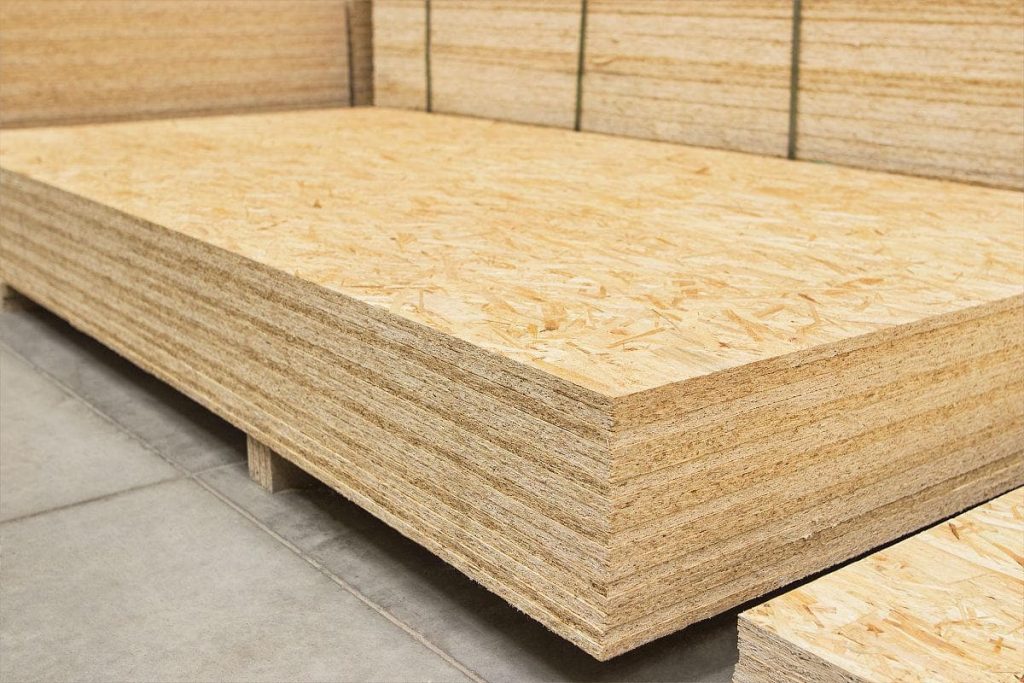
Sanded OSB for Furniture Still Needs a Finish Plan
OSB material reference only; sanding quality and the final finish need separate approval. Sanded OSB…
Plywood vs OSB for Crates Is More Than a Price Choice
Protected panel bundles are a supply-stage reference, not an approved design for a shipping crate….
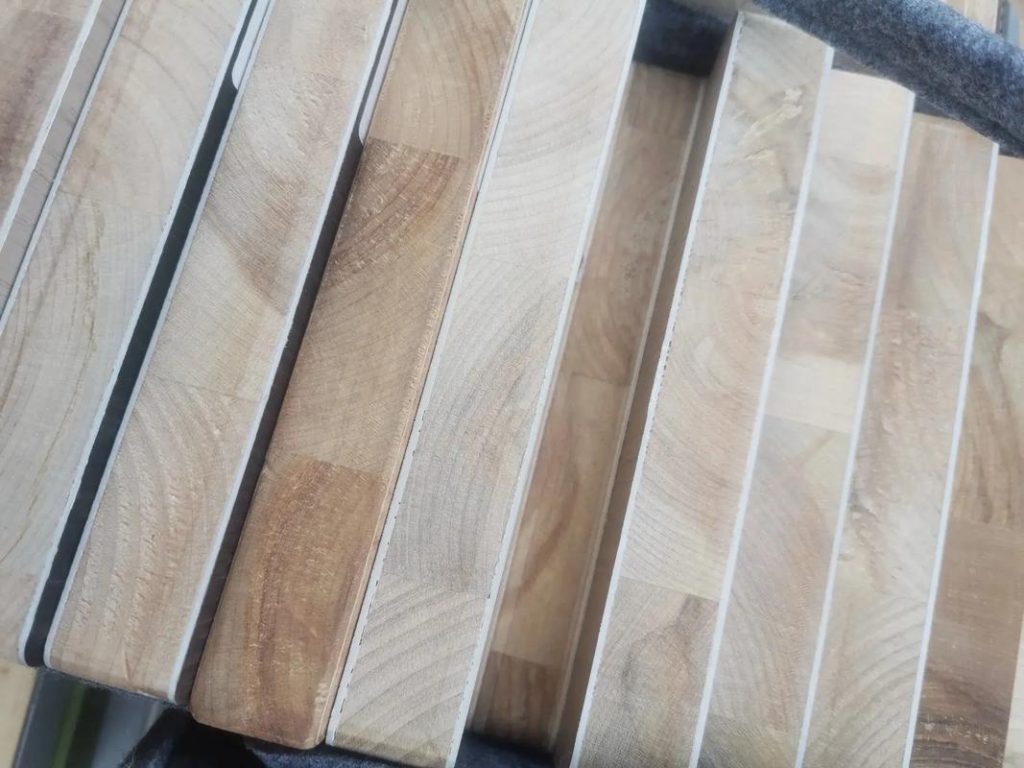
Blockboard vs Finger Joint Board for Furniture Buyers
A visible timber-strip core does not make the finished panel the same as an exposed…

Synchronized Melamine Board Goes Beyond the Print
Woodgrain design reference only. A flat image cannot demonstrate EIR texture or alignment. Synchronized melamine…
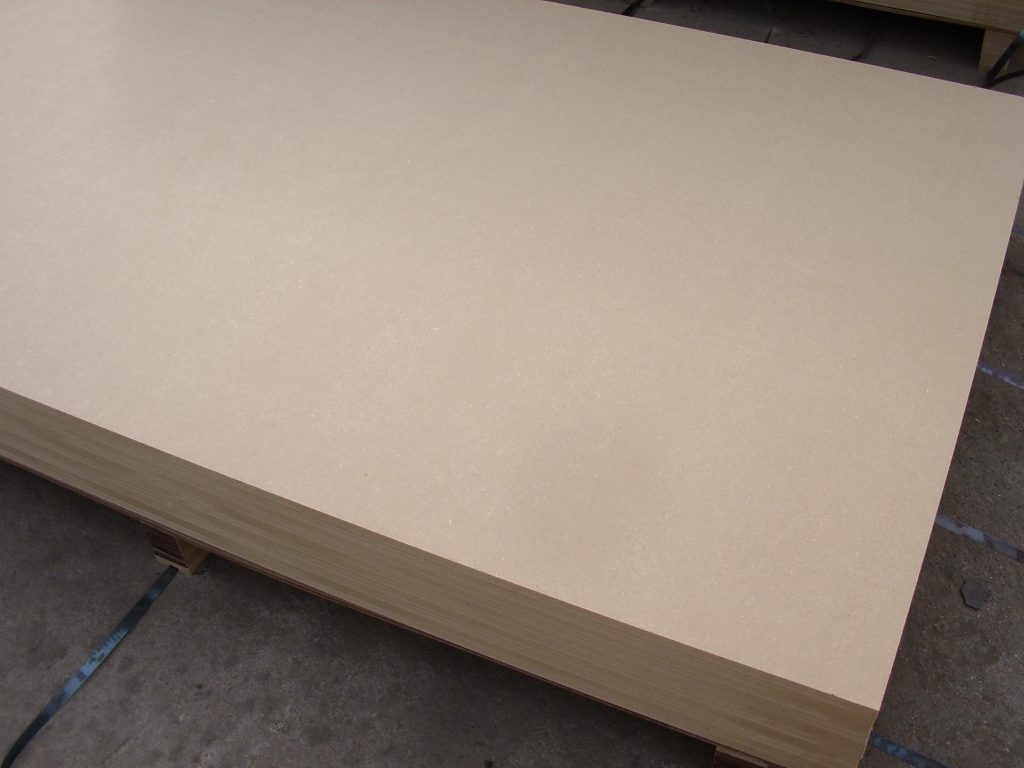
Lightweight MDF vs Standard MDF for Furniture Parts
Panel appearance alone does not identify a lightweight MDF grade. Lightweight MDF can make a…
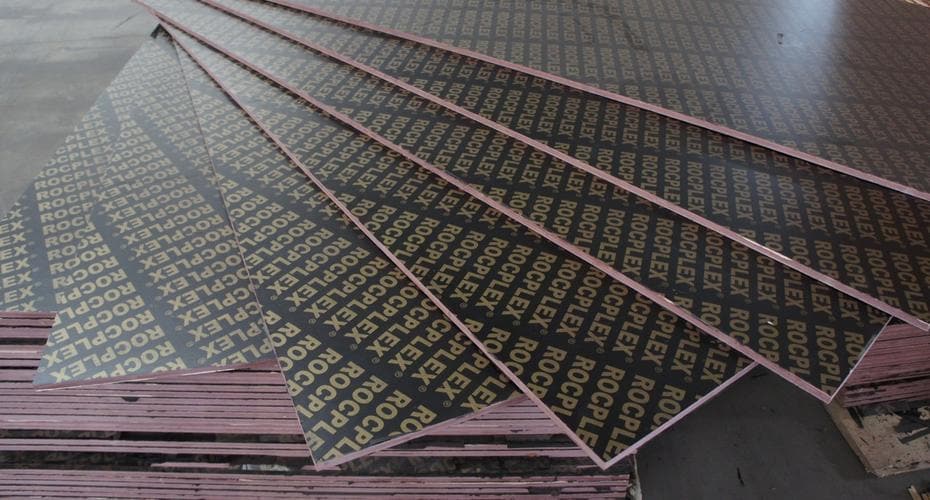
Film Faced Plywood Edge Sealing After Cutting
Film faced plywood edge sealing needs to follow the cutting and drilling plan. Factory edge…
MDF Screw Holding: Why the Same Hinge Fails on One Board and Not Another
Match the profiled door and its hinge zone before a fitting problem becomes a board complaint.
MDF Storage: Why Flat Boards Warp Before They Reach the CNC
Keep the approved MDF condition stable between receiving, storage and routing.
Why Two 18mm MDF Sheets Can Weigh So Differently
See why density-related requirements should be tied to the finished component rather than a label alone.
Need particleboard or MFC matched to a cabinet component? Send the drawings, finished thickness requirement, hardware and edge-band reference. We can help turn them into a practical sourcing specification.
Contact Momentimber about particleboard and melamine-faced board sourcing.