

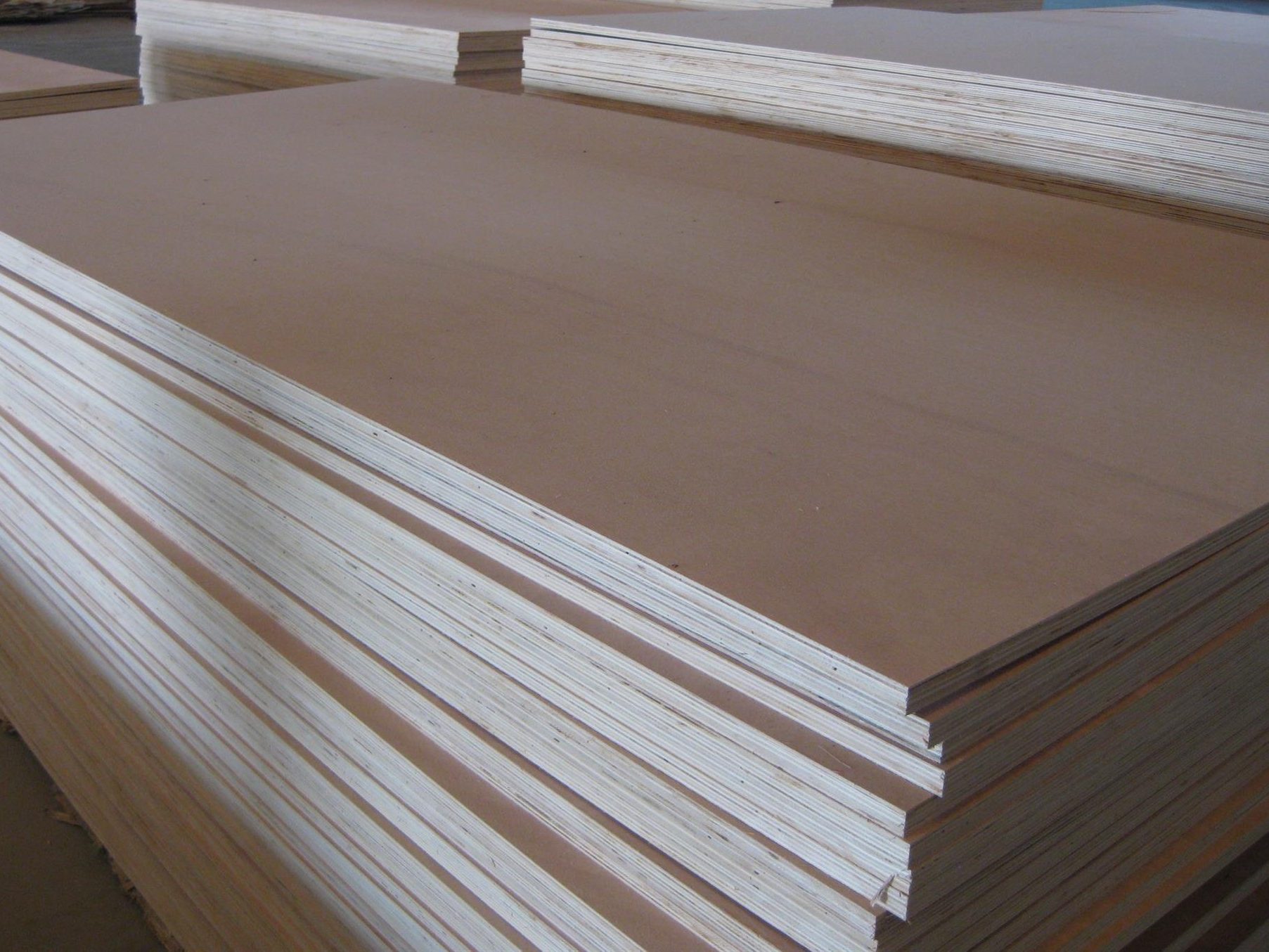
Two quotations both say 18mm plywood. One supplier means an average close to 18mm. The other allows individual sheets to fall well below it. Both can still claim that the order is “18mm” unless the contract defines plywood thickness tolerance, measurement points and what happens when a sheet fails.
For an importer, the problem appears later: CNC settings change, edge banding leaves a step, stacked parts no longer align, or the customer says the shipment is thinner than the sample. The solution is not to demand “zero tolerance.” It is to write a limit that suits the application and can be checked consistently before shipment.
Key takeaways:
1. Nominal thickness is a product name; acceptance needs measurable minimum and maximum limits.
2. State whether limits apply to each sheet, the batch average, or both.
3. Define where and how thickness is measured.
4. Keep the Golden Sample as a construction reference, not as the only measuring rule.
5. Agree on sampling and corrective action before production starts.
The Short Answer on Plywood Thickness Tolerance
There is no single tolerance that fits every plywood order. Structural plywood made to a named standard, sanded furniture plywood, film faced plywood and veneer faced plywood can use different rules. The destination market and the buyer’s machining process also matter.
Start with the applicable product standard when the order genuinely claims one. Then add the commercial requirements that the buyer needs. If no recognized standard applies, the purchase order itself must define the finished size, allowed range, test method, sampling plan and remedy.
Momentimber’s commercial plywood options can be matched by finished thickness, core lay-up, face, glue and application. The tolerance should be attached to that complete construction, not copied from an unrelated product.
Nominal, Actual and Within-Sheet Thickness
Buyers often use one word, thickness, for three different controls. Separating them prevents many arguments.
| Control | What it describes | Why the buyer needs it |
|---|---|---|
| Nominal thickness | The commercial size used in the quotation and label | Identifies the product but does not prove every measurement |
| Actual thickness range | The permitted minimum and maximum measurement | Controls compatibility with machining and finished components |
| Within-sheet variation | The difference between measuring points on one sheet | Reveals uneven sanding, pressing or local core build-up |
| Batch average | The mean of the agreed shipment samples | Shows whether production is centred near the intended target |
| Bundle pattern | How results vary between pallets or production positions | Helps identify a local process or packing problem |
A contract that says only “18mm, plus or minus 0.5mm” still leaves questions. Does every point on every sampled sheet need to stay inside that range? Can a low batch average pass because no single point crosses the minimum? Are measurements taken over a face defect? A useful specification answers those questions.
Why Standards Cannot Be Mixed Carelessly
The current U.S. Voluntary Product Standard PS 1-22 distinguishes thickness requirements for unsanded, touch-sanded, overlaid and sanded structural plywood. It also defines a measurement method and Performance Categories. Buyers can review the official NIST PS 1-22 structural plywood standard when that standard is named in a contract.
However, a PS 1 tolerance table should not be presented as a universal rule for ordinary furniture plywood. Certification, panel category and test conditions matter. A supplier cannot turn an unqualified commercial panel into PS 1 plywood by copying one number from the document.
For European dimensional control, EN 315 covers plywood tolerances for length, width, thickness, squareness and edge straightness. APA Europe notes that the dimensions are considered at a controlled moisture condition and that EN 324-1 provides the measurement method. Its EN 315 overview is a useful starting point, while the purchased standard and project documents remain authoritative.
Buyer rule: Name a standard only when the product, certification and test method actually follow it. Otherwise, write a clear commercial acceptance specification and label it as the parties’ agreed requirement.
What Changes Thickness During Production
Veneer build-up before pressing
Plywood thickness begins with the veneer schedule. Species, peeled-veneer thickness, moisture and compression all affect the final result. Core overlaps create high points. Gaps, thin veneers or heavy sanding can create low areas. The number of plies alone does not guarantee the finished thickness.
The guide to plywood structure and core types explains why two panels with the same face can have different inner constructions. For repeat orders, approve a labelled cross-section together with the finished-thickness rule.
Hot pressing and recovery
Hot pressing compresses the veneer stack and cures the adhesive. Press pressure, temperature, time and veneer moisture influence the compressed thickness. After the panel leaves the press, it can recover slightly. A factory therefore needs a production target, not just a final inspection limit.
Sanding and calibration
Sanding removes press marks and brings the panel closer to a target. It can also make a sheet too thin if the incoming panel is uneven or the calibration is poorly controlled. Veneer faced products need enough sanding accuracy for lamination, yet aggressive sanding can reduce the face or disturb the panel balance.
For decorative orders, thickness should be reviewed with the veneer faced plywood quality checks. The surface may look acceptable while uneven calibration still causes problems during cutting, pressing or assembly.
How Thickness Problems Reach the Buyer
| Buyer operation | Effect of poor thickness control | Useful contract control |
|---|---|---|
| CNC cutting and routing | Tool depth or groove position changes between sheets | Individual range plus within-sheet variation |
| Edge banding | The edge tape sits proud or leaves exposed core | Finished thickness matched to available edge-band width |
| Cabinet assembly | Shelves, backs and hardware positions do not align | Tolerance linked to component clearance |
| Veneer or melamine pressing | Uneven pressure can create local bonding or surface problems | Calibrated substrate requirement before overlay |
| Stacking and packing | Bundle height and container quantity change | Average sheet thickness and bundle measurement |
| Resale by nominal size | Customers compare the delivery with competing stock | Clear label plus agreed actual range |
Thickness also changes weight and loading. A small difference multiplied across hundreds of sheets affects shipment mass and bundle height. The 18mm plywood weight and loading guide shows how measured thickness belongs in the container calculation.
How to Measure Plywood Thickness Tolerance
You do not need an expensive laboratory to screen ordinary commercial plywood. You need a suitable calibrated thickness gauge or calliper, clean panel surfaces, identified samples and the same method at the factory and warehouse.
- Agree the tool: state the instrument type, contact-face size where relevant, resolution and calibration check.
- Choose the points: use several positions around the sheet, away from edges and visible defects, following the named standard or contract diagram.
- Identify every sheet: record bundle number, sheet position and each reading before calculating averages.
- Use consistent pressure: do not squeeze soft veneer with a hand tool or hold the gauge at an angle.
- Keep the surface clean: dust, film folds and raised repairs can create false readings.
- Compare patterns: review the minimum, maximum, average and spread within each sheet and bundle.
- Retain evidence: photograph the sheet label, measuring point and instrument display together.
For routine receiving checks, follow the same sampling pattern used before shipment. Our plywood warehouse test guide adds practical checks for size, flatness, bonding signs and visible core quality.
Define Sampling Before the Inspector Arrives
Measuring one top sheet proves almost nothing about a container. The sample should cover different bundles and positions. The order should also state whether sampling follows a named plan or a simple buyer-supplier agreement.
| Sampling decision | Question to settle | Why it matters |
|---|---|---|
| Lot definition | Is one production day, specification or container one lot? | Prevents good and bad runs from being mixed in the calculation |
| Number of bundles | How many pallets must be opened? | Spreads the check across production and packing |
| Sheets per bundle | Top only, or top, middle and lower positions? | Reduces selection bias |
| Points per sheet | Where are readings taken? | Makes within-sheet comparison repeatable |
| Pass rule | Must every reading pass, or is an average also used? | Stops arguments after results are known |
| Failed lot action | Rework, sort, replace, re-inspect or accept by concession? | Connects inspection to a commercial decision |
For a narrow machining tolerance, a buyer may require every sampled reading to remain inside the agreed range and may also control the batch average. For a less sensitive packaging application, a wider range may be commercially acceptable. The application should set the strictness.
What to Write in the RFQ and Purchase Order
Turn the requirement into a small acceptance table. Avoid phrases such as “normal tolerance,” “export quality” or “same as sample” without numbers and methods.
| Contract field | Recommended wording structure |
|---|---|
| Product | Nominal size, face/back, core lay-up, glue, finish and intended use |
| Thickness limits | Minimum and maximum finished thickness for individual readings |
| Within-sheet control | Maximum permitted spread between agreed measuring points |
| Batch target | Target average or approved production centre where needed |
| Measurement method | Named standard or attached point diagram, tool and condition |
| Sampling | Lot, bundles, sheets per bundle and points per sheet |
| Records | Measurement sheet, labelled photos and retained samples |
| Failed result | Sorting, rework, replacement, re-inspection or written concession |
Simple clause framework:
Nominal thickness: [T].
Permitted individual range: [T minimum] to [T maximum].
Measurement: [method and points].
Sampling: [lot, bundles, sheets and points].
Acceptance: [individual, within-sheet and average rules].
Failed lot: [agreed corrective action].
Attach the diagram and limits to the purchase order or signed specification. If the supplier proposes a different method, resolve it before the deposit and Golden Sample approval. A measurement rule added after production is difficult to enforce fairly.
Frequently Asked Questions
Turn the Tolerance into an Inspectable Order
Send Momentimber the plywood construction, nominal thickness, application, machining process, destination and current supplier limits. We can help compare the specification, identify the measurements that matter and prepare a practical plywood thickness tolerance table for supplier confirmation.