

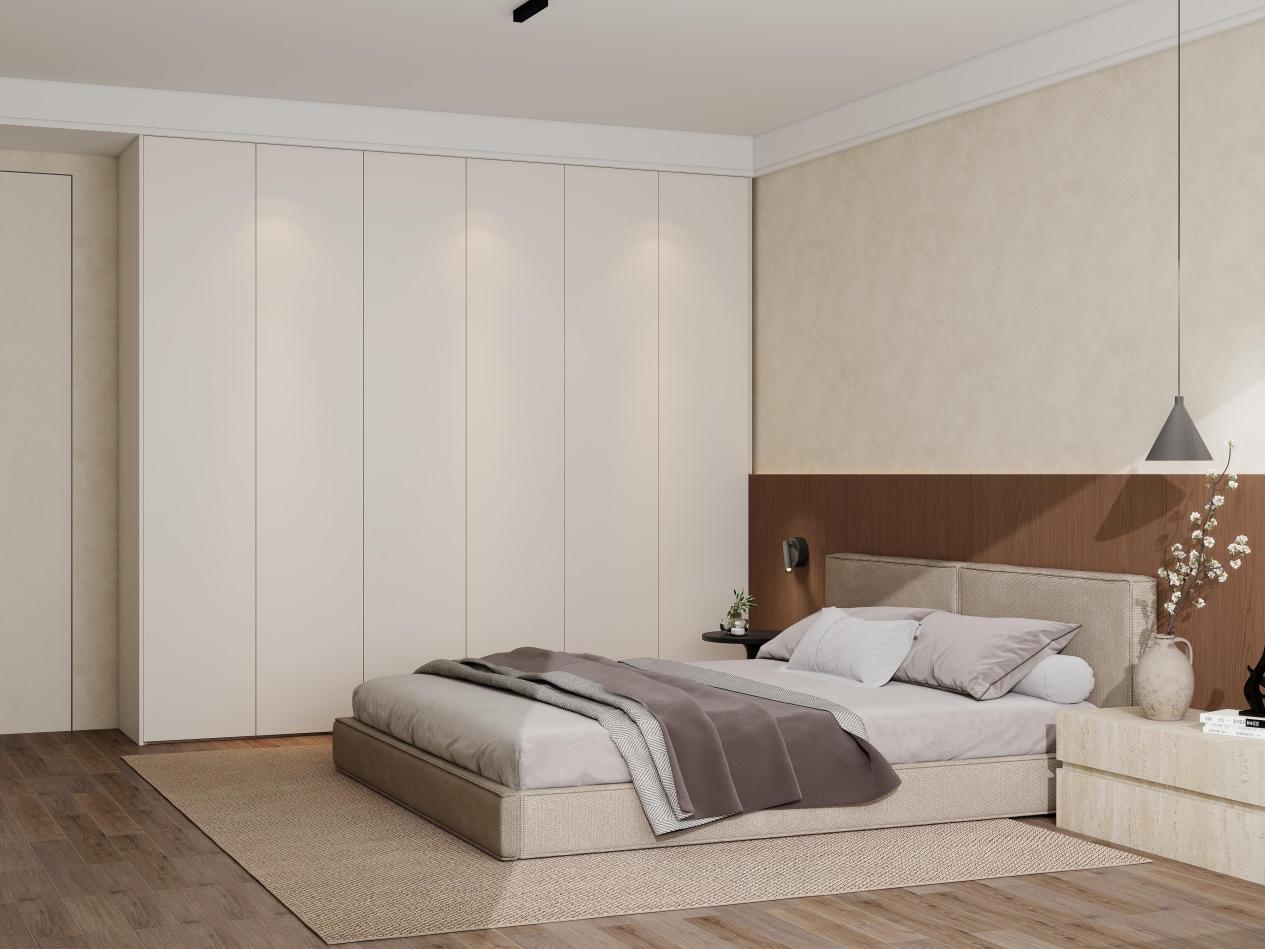
Two quotations both say 18 mm MDF. One is cheaper, one is heavier, and neither tells the buyer whether the board is meant for a painted door, a melamine-faced cabinet side, a routed drawer front or a humid service area. That is where an MDF board for cabinets order starts to go wrong. Thickness is only one part of the decision. The component, finish, machining, hardware and moisture boundary need to agree before the container is loaded.
MDF gives furniture makers a uniform fibre structure and a smooth face, which is useful for many painted, routed and faced interior components. It is not one universal cabinet board. A cabinet door has different risks from a fixed end panel, a shelf, a sink-base side or a drawer front. When the board choice is connected to the actual component, the buyer can compare quotations on a fairer basis and avoid discovering the missing specification during machining.
Key takeaways:
1. “18 mm MDF” does not identify the intended cabinet component or performance boundary.
2. Decide whether the board will be painted, routed, melamine faced, edge banded or used behind a wet-risk area.
3. Density, thickness, edge condition, screw zone and finished weight affect different cabinet parts in different ways.
4. Moisture-resistant MDF reduces a defined risk; it does not make exposed edges or cut-outs waterproof.
5. Approve a real component sample with the planned finish and hardware, not only a raw board offcut.
Choosing an MDF Board for Cabinets Starts With the Component
The most useful first question is not “Which MDF grade is best?” It is “What will this part do after it is cut?” A tall painted door needs a different discussion from a cabinet carcass side. A shallow routed drawer front needs a different discussion from a shelf carrying stored goods. The MDF product page gives the material starting point, but the buying decision should move quickly to the component drawing and use environment.
| Cabinet component | What matters beyond thickness | Buying question to ask |
|---|---|---|
| Painted or routed door | Face smoothness, profile depth, edge sealing, finished weight and hinge layout. | Will the planned routing leave enough material at the profile and hinge zones? |
| Melamine-faced side or drawer front | Surface system, core type, edge-band plan, decor repeatability and cut quality. | Is the requested melamine surface matched to MDF, and are all visible edges defined? |
| Shelf or fixed horizontal panel | Span, load, support positions, stiffness and moisture exposure. | What is the unsupported span and what will be stored on it? |
| Sink-base or humid-area component | Moisture-risk boundary, edge protection, cut-outs and storage after installation. | Where could water reach the core or an unsealed edge? |
| Hinge or fitting zone | Face or edge screw position, pilot-hole process and fitting load. | Which hardware is used, and is a trial component required before bulk approval? |
MDF Is a Substrate System, and the Finish Is a Separate Decision
A cabinet buyer often receives a board name that combines both systems: painted MDF, melamine MDF, PVC-wrapped MDF or raw MDF for local finishing. Treat those as different commercial offers. MDF describes the fibreboard substrate. The finish changes the visible surface, the cleaning behaviour, the machining sequence and the amount of exposed edge that still needs protection.
For a melamine-faced option, link the surface decision to the substrate decision. The Melamine Board range can use different cores, including MDF. The decor may look familiar across two products, but the cut edge, weight, screw behaviour and response to moisture are still driven by the selected substrate. Do not approve a face sample alone when the cabinet part depends on the MDF core.
Painted or routed MDF
MDF is often chosen where a smooth paint surface and repeatable routing matter. The buyer should share the profile drawing, intended finishing system and whether the reverse face receives a matching treatment. A deep routed profile changes the remaining material at the edges and may change the way a component handles during finishing. Ask the processor to show one finished sample under normal light rather than approving only a raw routing pass.
Melamine-faced MDF
Melamine-faced MDF can simplify a cabinet line where a ready decorative face is wanted. It does not remove the need to specify edge banding, cut-outs, hardware and storage. The surface is the finish system; the MDF remains the substrate. This is why a matching decor on a different core should not be treated as an automatic substitute without a new trial.
Density, Weight and Hardware Are Connected
Buyers often use density as a shortcut for quality. It is more useful to treat it as one input into the component decision. A heavier sheet affects container planning, handling and door weight. A board with a particular density may suit one machining route but still need a separate check for a hinge close to an edge or a shallow routed profile. The article Why 18 mm MDF Sheets Weigh Differently helps buyers compare weight without reducing the decision to one number.
For fittings, the screw position and pilot-hole discipline matter as much as a broad density claim. The MDF Screw Holding guide explains why a hinge can fail on one component and not another. The European MDF information site also advises matching screw type and preparation to MDF rather than treating face fixing, edge fixing and repeated fitting removal as identical situations.
| Quotation item | Why it changes the cabinet result | How to make it actionable |
|---|---|---|
| Nominal thickness and tolerance | Affects machining depth, fitting hardware and finished clearances. | State the finished component requirement and agreed measurement positions. |
| Density or weight reference | Affects handling, door load and container calculation. | Request a realistic range or sample weight, not a marketing label alone. |
| Face and reverse surface | Controls finishing, visual consistency and balance of the component. | State painted, raw, melamine faced, single or double face, decor and texture. |
| Routing and drilling drawing | Changes remaining material and fitting zones. | Send CAD or a clear drawing before sample production. |
| Moisture exposure and edge plan | Controls where a normal interior board may be unsuitable. | Mark cut-outs, bottom edges and wet-risk zones requiring protection. |
Moisture Resistance Has a Boundary
A green core or moisture-resistant classification may be appropriate for a defined interior moisture risk, but it is not a blanket promise for standing water, leaks or permanently wet edges. If an MDF component will sit near a sink, floor-cleaning route or humid wall, identify how water could reach the core. Open edges, drilled holes, damage in transport and unfinished cut-outs are often more important than the broad face of the board.
European MDF handling guidance notes that MDF moves as moisture content changes, even though its in-plane movement is lower than solid wood. The procurement lesson is practical: do not approve a sample in one condition and assume it will behave identically after a long humid storage route, one-sided finishing process or installation beside an unprotected water source.
- Specify whether the component is dry interior, occasionally humid interior or exposed to direct wetting risk.
- Keep MDF bundles flat, dry and supported before machining; do not leave opened stacks on wet floors or beside open rain access.
- Seal or otherwise protect every exposed edge and cut-out according to the agreed furniture finish system.
- Use a representative finished sample for doors, drawer fronts and wet-risk components before releasing a bulk order.
- Keep photos of the first opened bundle, storage area and any finished sample used for approval.
Build a Cabinet Sample That Can Actually Be Approved
A raw board sample answers colour and surface questions. It does not answer whether the cabinet part will route cleanly, accept the intended hinge, remain flat after finishing or look consistent once the edge is treated. For a new line, approve one representative component. It can be a door, drawer front, side or shelf, but it should include the actual thickness, face system, critical routing, edge plan and hardware position.
Momentimber can coordinate specification matching, sample review, production follow-up, inspection and packing records across MDF and other panel categories. Our company profile describes that supplier-service role. The goal is to make the first article a reference for the next container, not merely a sales sample.
RFQ wording to adapt:
MDF for [cabinet component], [size] x [thickness]. Required finish: [raw for paint / melamine faced / other agreed surface], with [single or double face] and [decor or finish reference]. Include the routing and drilling drawing, hardware positions, visible-edge treatment, expected moisture exposure and packing protection. Approve a representative finished component with the intended hardware before bulk production. Any change to substrate, thickness, surface, routing or hardware zone requires written approval.
The Better Quote Is the One That Matches the Part
The cheapest 18 mm MDF quote may still be the most expensive cabinet decision if the board, finish and component are not aligned. Start with the door, side, shelf or drawer front. Then define the substrate, surface, machining, edge and hardware requirements. That creates a comparison a supplier can actually quote and a buyer can inspect.
Send the component drawing, intended finish, hardware, target market and any wet-risk condition through the Momentimber contact page. We can help translate the cabinet use into a practical MDF specification and sample checklist before production.
Related Reading
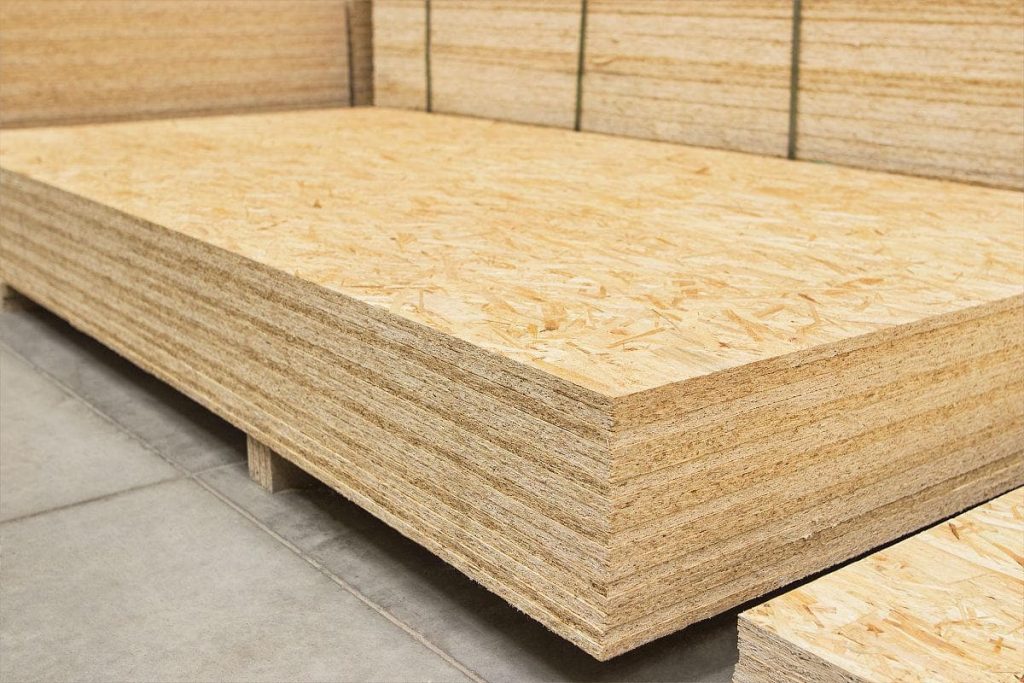
Sanded OSB for Furniture Still Needs a Finish Plan
OSB material reference only; sanding quality and the final finish need separate approval. Sanded OSB…
Plywood vs OSB for Crates Is More Than a Price Choice
Protected panel bundles are a supply-stage reference, not an approved design for a shipping crate….
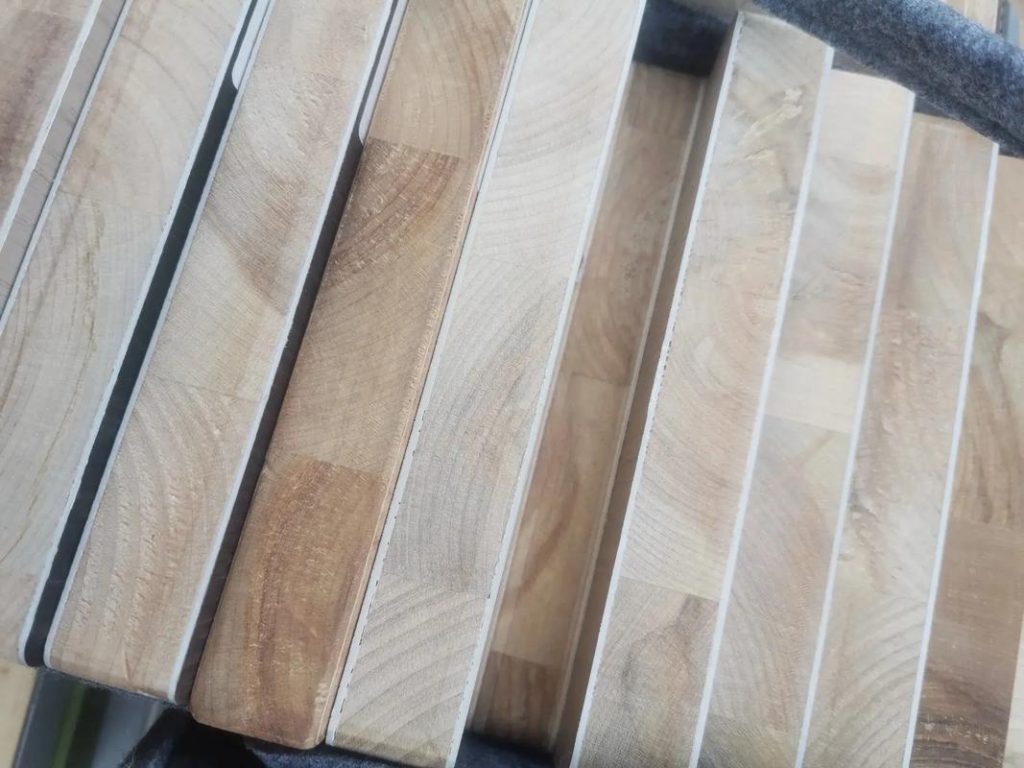
Blockboard vs Finger Joint Board for Furniture Buyers
A visible timber-strip core does not make the finished panel the same as an exposed…
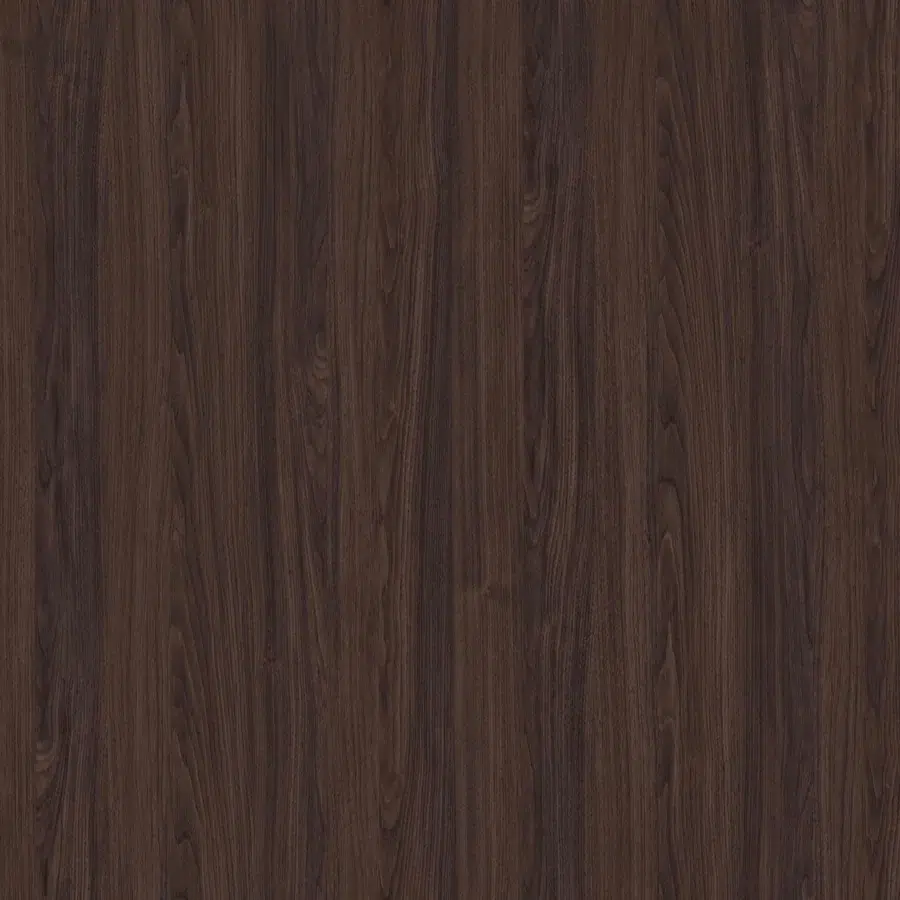
Synchronized Melamine Board Goes Beyond the Print
Woodgrain design reference only. A flat image cannot demonstrate EIR texture or alignment. Synchronized melamine…
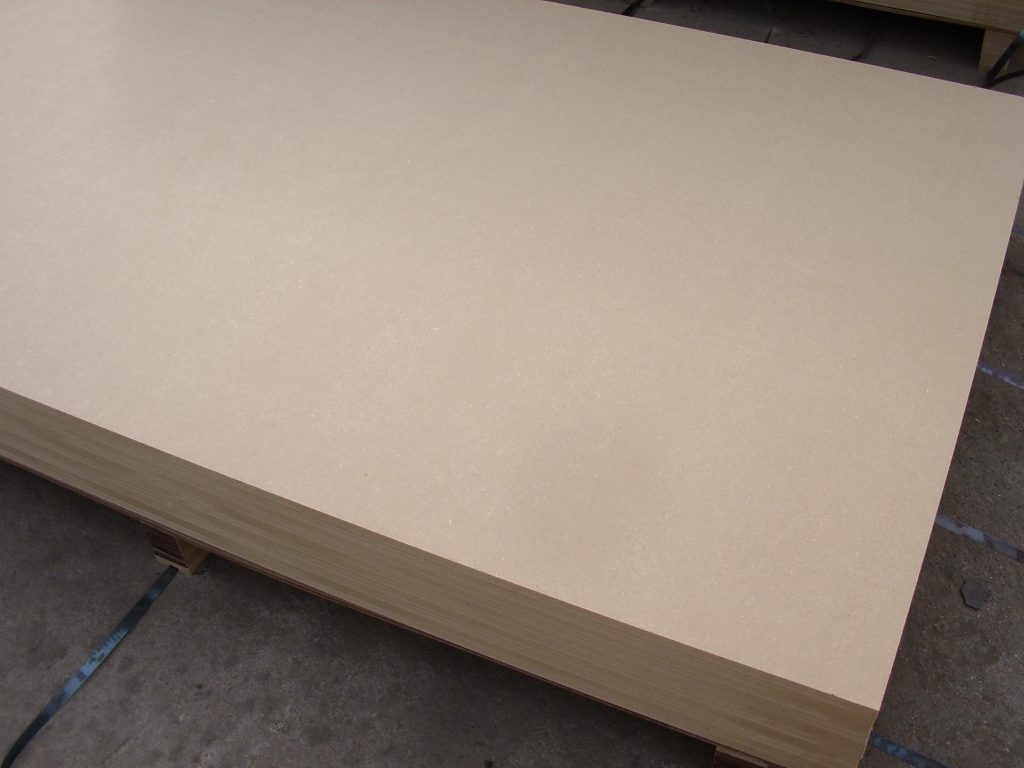
Lightweight MDF vs Standard MDF for Furniture Parts
Panel appearance alone does not identify a lightweight MDF grade. Lightweight MDF can make a…
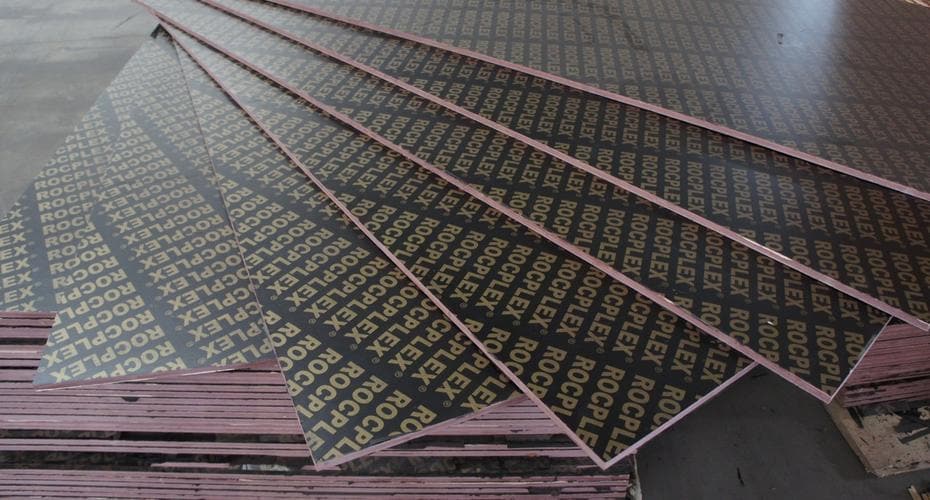
Film Faced Plywood Edge Sealing After Cutting
Film faced plywood edge sealing needs to follow the cutting and drilling plan. Factory edge…
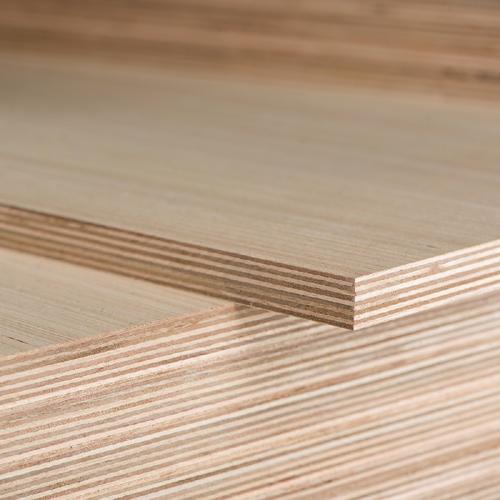
Plywood for Melamine Facing Needs More Than Sanding
Plywood for melamine facing needs more than a smooth touch. Sanding can prepare a face,…
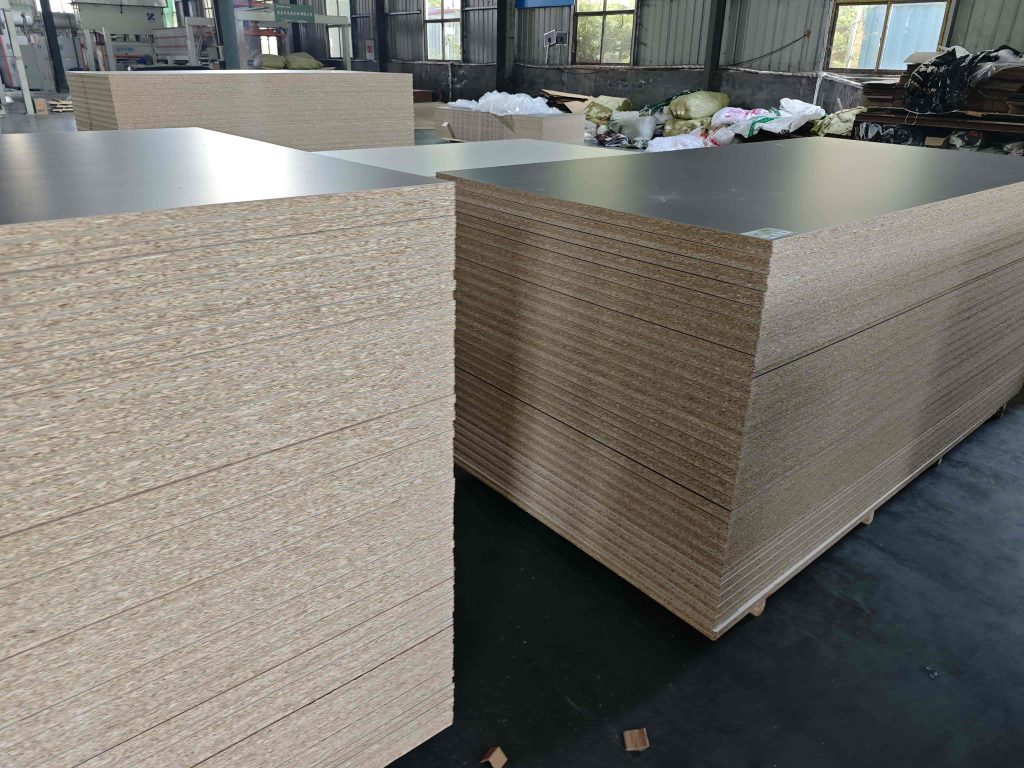
Cleaning Melamine Board Without Damaging the Finish
Cleaning melamine board should start with the supplied care instructions and a gentle method, not…
MDF Screw Holding: Why the Same Hinge Fails on One Board and Not Another
Check hinge zones, pilot holes and fitting loads before a cabinet specification relies on a broad density claim.
MDF Storage: Why Flat Boards Warp Before They Reach the CNC
See how support, moisture and handling can change a panel before the first cabinet component is machined.
Melamine Board Orders: Why the Same Decor Can Arrive With a Different Texture
Keep surface and substrate decisions aligned when cabinet lines use faced panels and repeat-order decors.
Planning an MDF cabinet or furniture program? Share the component drawing, finish, hardware, dimensions and destination conditions. We can help prepare a board specification and approval sample that reflect the real application.
Contact Momentimber about MDF and melamine-faced cabinet panels.