

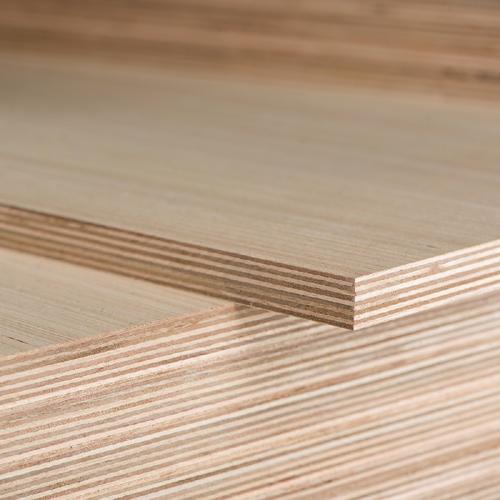
Plywood for melamine facing needs more than a smooth touch. Sanding can prepare a face, but it cannot make every core, repair or thickness suitable for the chosen lamination process. Select the raw panel and surface route together. Then assess the faced result before committing to the full order.
This matters when two suppliers both quote sanded plywood and the cheaper option looks just as neat in a small sample. One panel may still require more preparation or create a less consistent decorative result. The useful comparison starts with what the converter needs, not with a polished photograph.
What Is Under the Melamine Surface
Ordinary raw plywood consists of bonded wood veneers with face and back layers. Raw does not mean that the board lacks those outer veneers. In this article it means the panel has not received the proposed melamine decorative facing. Sanding and face repairs may already form part of its supplied condition.
The face veneer is the outer wood layer. The core veneers support it and form the rest of the panel. An integral wood face is different from a separately promoted decorative real-wood veneer overlay. The distinction matters when describing a plain plywood substrate that will later receive printed melamine paper.
The melamine-facing system supplies the decorative appearance over that substrate. A woodgrain print does not change the core into solid timber. Likewise, a pale smooth surface does not identify the bond quality between the plywood veneers.
The Composite Panel Association explanation of thermally fused laminate describes resin-impregnated decorative paper fused to a substrate using heat and pressure. It highlights uniform particleboard and MDF substrates. That general explanation is not an approval of every plywood construction. The producer must confirm the route for the actual plywood selected.
Plywood for Melamine Facing Has Several Separate Requirements
| Requirement | What it tells the buyer | What it does not establish |
|---|---|---|
| Sanded surface | A defined surface preparation stage | Suitability of every repair or underlying veneer |
| Face and back condition | Appearance and permitted repairs | Whole-panel flatness or bond durability |
| Core construction | Layers supporting the surface | The finished decor or texture |
| Thickness and flatness | Geometry supplied to the converter | The correct press settings |
| Bond requirement | Performance expected of plywood glue lines | Automatic suitability of the surface process |
The APA plywood overview treats surface finish, veneer grades and bond classifications as separate descriptions. Those categories belong to its own product system, not a certificate for an unrelated panel. The useful lesson for an importer is to request each property rather than treating sanded as a complete grade.
A face can feel smooth while showing a depression, a raised patch or an uneven repair boundary. Thin decorative paper follows the support beneath it; it is not a thick levelling compound. Examine the intended surface under practical workshop lighting and compare the resulting faced panel, not only the bare wood.
A patch or filled area does not automatically make a panel unusable. Its position, finish and compatibility with the process matter. A converter should agree which repairs are acceptable for the chosen decor. A requirement copied from a clear-varnished wood product may not answer the needs of a covered surface.
Avoid ranking all species by a single quality order. A poplar, eucalyptus or mixed construction can carry different veneer and process choices. The actual lay-up and supporting face condition are more useful than a promise that one tree name guarantees a successful finish.
Keep the Raw Thickness Separate from the Finished Requirement
The article on plywood thickness tolerance explains the contract issue in more detail. Here the key question is the processing stage at which the dimension applies. A raw substrate target and a finished faced-panel target should not share one ambiguous thickness entry.
The paper contributes little thickness compared with the substrate, but the final dimension still needs an agreed reference. Do not use a guessed addition to compensate for uncontrolled sanding or pressing. If the production route includes a separate supporting layer, identify it explicitly rather than calling the entire change paper thickness.
Flatness also needs the full sheet. A small coupon cannot show bow or twist across the delivered format. Let the producer and converter agree practical conditioning and assessment conditions. Do not assume that a hot press will reliably correct a panel that arrives outside the accepted condition.
Approve the Combination Rather Than One Isolated Material
The discussion of melamine paper and resin explains why the surface depends on more than its colour code. Keep the selected paper, texture and substrate connected in the approval record. A successful result on MDF does not approve the same recipe on a different plywood.
For a new combination, a full-size trial can reveal uneven support or appearance that a hand sample misses. This is a production review, not a request for expensive laboratory equipment. Compare the face in normal viewing conditions, inspect repaired locations and retain a labelled piece from the accepted trial.
Do not prescribe universal temperature, pressure or pressing time from a blog. Those settings depend on the actual materials and equipment. A buyer can define the required finished result and supplied construction without taking over the producer responsibility for process validation.
For example, a distributor considering a new light-coloured furniture range might compare two plywood substrates with the same facing. The meaningful difference could be the amount of preparation needed and the accepted finished yield. A lower raw-sheet price can disappear if the converter repeatedly reworks the surface.
Raw Supply and Finished Supply Suit Different Businesses
A local converter with a suitable established process may prefer raw plywood. That route keeps decor selection flexible and concentrates surface production near the customer. It also leaves preparation, lamination and the resulting process loss with that converter unless the agreement says otherwise.
Buying finished melamine-faced plywood moves those operations upstream. It can suit a distributor supplying workshops that cut and assemble panels but do not laminate them. Stock then becomes specific to the substrate, thickness, decor, texture and face configuration. The choice is not simply raw versus premium.
Importers should state the purchasing boundary and keep substrate requirements visible in both routes. Distributors should avoid substituting a new underlying construction under an unchanged decor reference. Workshops should confirm which processing operations the received panel still requires before comparing quotations.
A clear enquiry therefore combines the use, delivered panel dimensions, substrate description and intended facing. That gives a supplier a practical basis for a recommendation. The label Commercial Plywood alone neither approves nor disqualifies the material: the actual construction and finished result decide.
Frequently Asked Questions
Related Reading
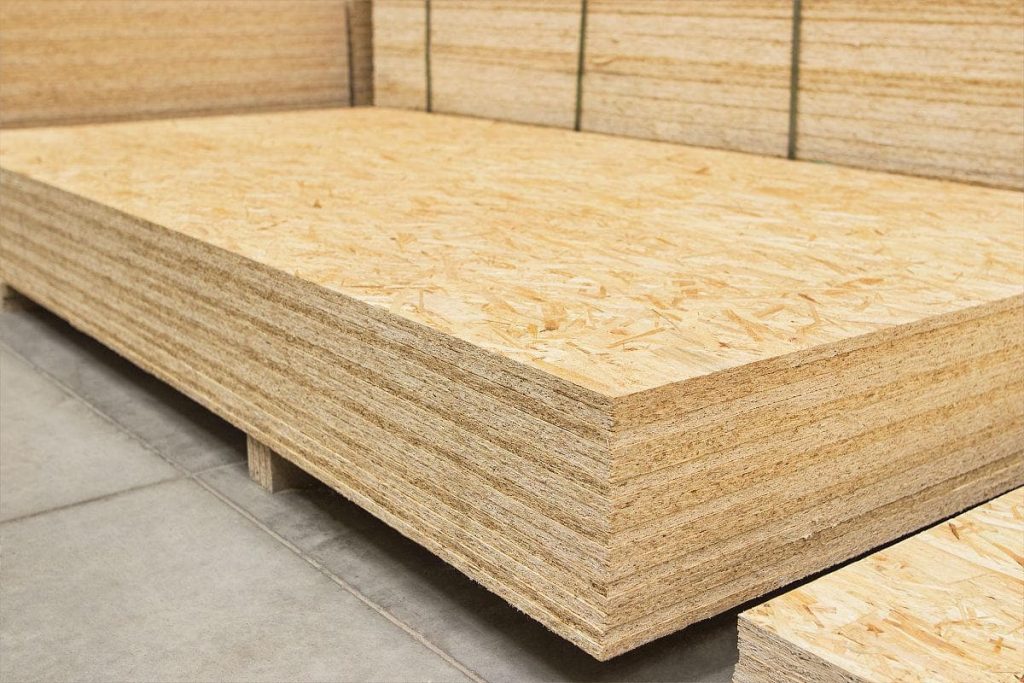
Sanded OSB for Furniture Still Needs a Finish Plan
OSB material reference only; sanding quality and the final finish need separate approval. Sanded OSB…
Plywood vs OSB for Crates Is More Than a Price Choice
Protected panel bundles are a supply-stage reference, not an approved design for a shipping crate….
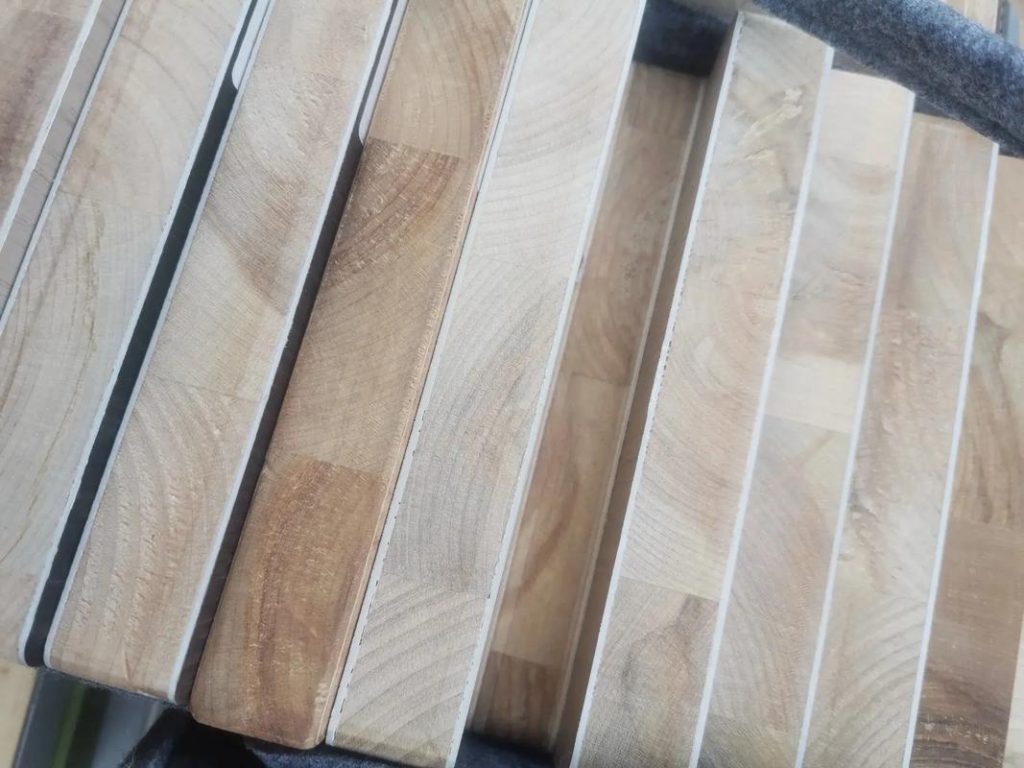
Blockboard vs Finger Joint Board for Furniture Buyers
A visible timber-strip core does not make the finished panel the same as an exposed…
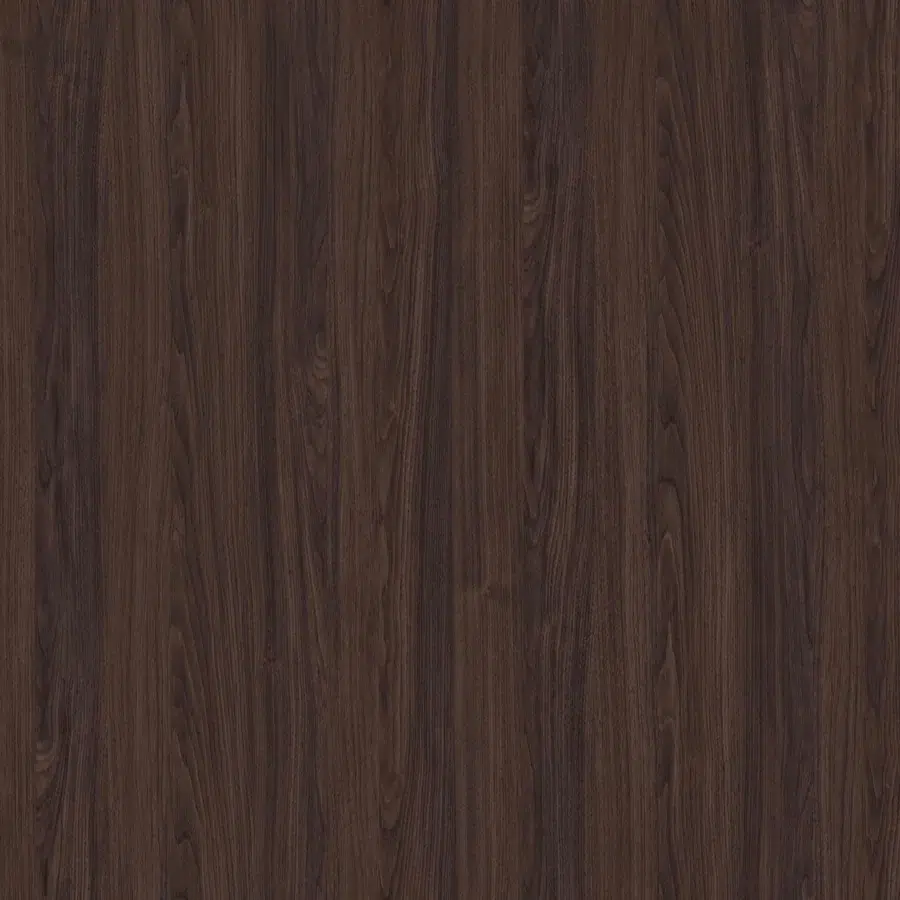
Synchronized Melamine Board Goes Beyond the Print
Woodgrain design reference only. A flat image cannot demonstrate EIR texture or alignment. Synchronized melamine…
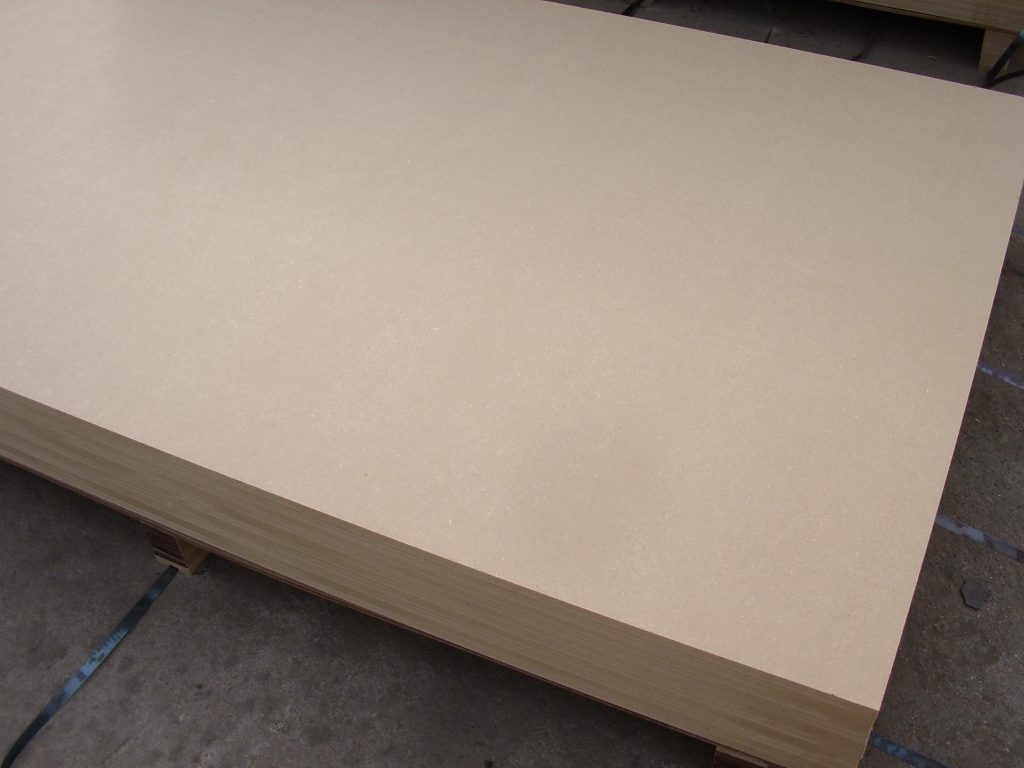
Lightweight MDF vs Standard MDF for Furniture Parts
Panel appearance alone does not identify a lightweight MDF grade. Lightweight MDF can make a…
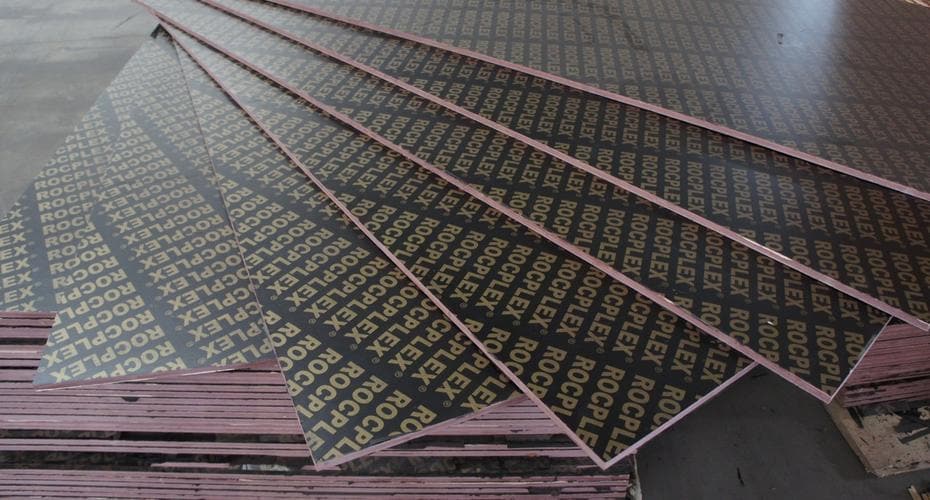
Film Faced Plywood Edge Sealing After Cutting
Film faced plywood edge sealing needs to follow the cutting and drilling plan. Factory edge…
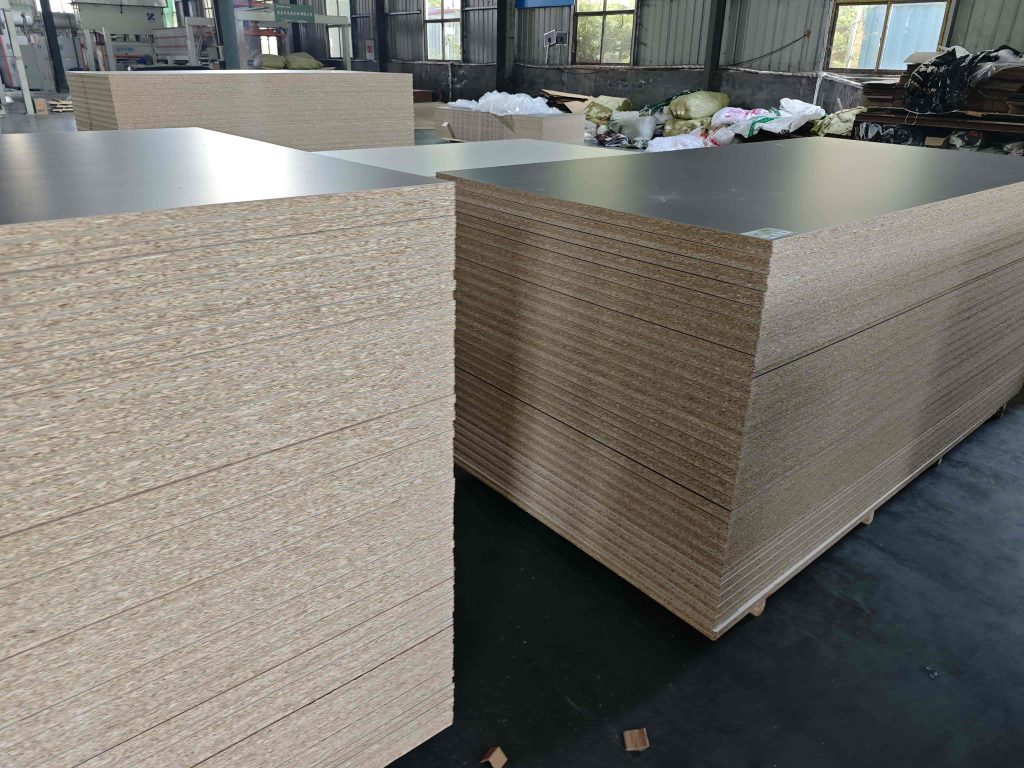
Cleaning Melamine Board Without Damaging the Finish
Cleaning melamine board should start with the supplied care instructions and a gentle method, not…
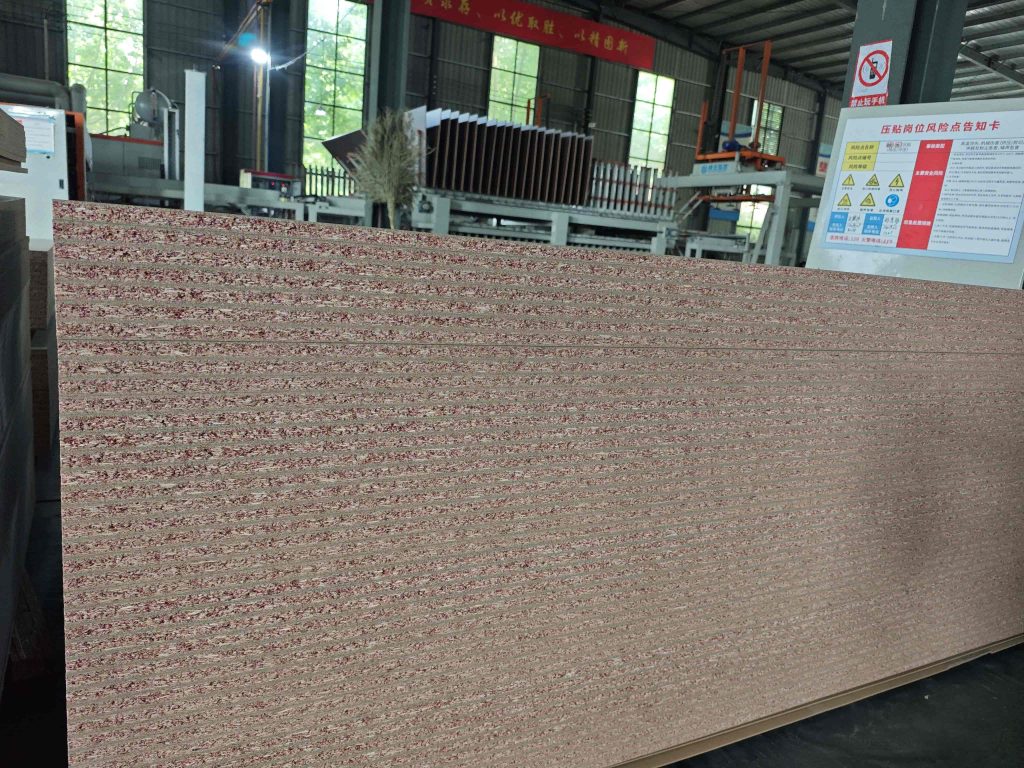
Particleboard Worktops vs Ordinary Cabinet Board
Particleboard worktops can have a chipboard core without being the same product as an ordinary…
What Is Plywood
Review the veneer-based construction beneath the decorative surface.
Plywood Thickness Tolerance for Import Orders
Keep the substrate size and finished-panel requirement distinct.
Melamine Paper and Resin
Understand the surface system that must work with the selected substrate.
Choosing raw plywood or melamine-faced plywood for a furniture program? Send the application, required finished thickness, decor reference and local processing route. Momentimber can discuss substrate matching and sample review without treating an untested material combination as an approved product.