

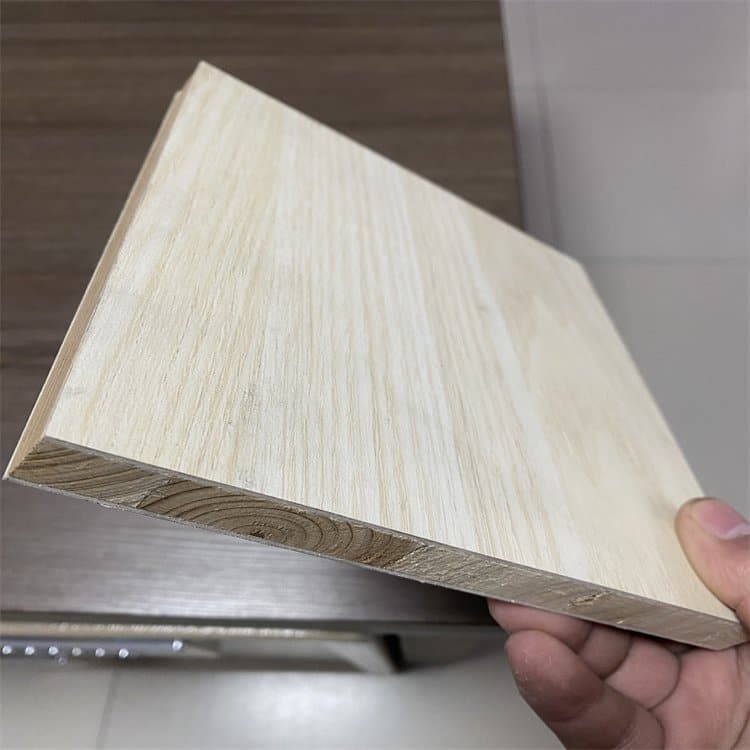
A furniture buyer may send a cut list that says only “18 mm blockboard, oak melamine.” The supplier can make a panel that looks right on the face, but the workshop later finds a different edge pattern, awkward screw zones, poor nesting yield or doors that do not behave like the approved sample. The missing detail is often blockboard core direction. A blockboard is not a directionless sheet. Its timber-strip core has an orientation, and the component plan needs to respect it.
This does not mean every order needs a complicated engineering study. It means the buyer should connect three simple items before the quotation is final: the long direction of the core strips, the long direction of the finished component, and the edges that will remain visible or receive hardware. That small discipline helps a distributor compare offers properly and gives the factory a fair basis for sampling and inspection.
Key takeaways:
1. Core-strip direction is a construction detail that affects the cut plan, not a hidden factory choice.
2. Put component orientation on the RFQ whenever doors, long rails, visible edges or repeated machining are involved.
3. Melamine is a surface system; it does not remove the need to approve the blockboard core beneath it.
4. Keep a labelled cross-section and a finished component as the Golden Sample.
5. If the panel orientation changes, re-check the cutting plan and hardware zones before bulk production.
Blockboard Core Direction Belongs in the Cut List
A standard blockboard panel uses long timber strips inside the core, covered with face layers. The strips generally run in one dominant direction. That directional structure is one reason buyers use blockboard for certain furniture parts, but it also means a 4 x 8 sheet is not interchangeable in every cut orientation.
The Wood Panel Industries Federation overview describes blockboard as a panel with a core of timber strips. For procurement, that definition matters because the face appearance alone does not describe the panel. A cutting plan must state how the component sits on that core, especially when a visible long edge, a drilling line or a narrow rail is involved.
| Order decision | What to define | Why it changes the result |
|---|---|---|
| Door or tall panel | Long component direction and visible edges. | It helps the supplier align the panel construction with the intended component rather than supplying a visually similar sheet only. |
| Shelf or rail | Span direction, support points and cut orientation. | It prevents a stock sheet from being cut into a layout that does not match the original sample logic. |
| Hinge or connector zone | Hardware position from each edge and planned drilling depth. | The workshop can avoid treating every part of a strip core as the same fixing zone. |
| Melamine-faced component | Decor grain direction, core direction and edge-band rule. | The decorative direction and internal direction can both affect yield and the finished visual sequence. |
| Repeat order | Panel marking, bundle label and retained sample. | The buyer can compare a new shipment against the approved construction, not a photo from the first project. |
The Surface Direction and Core Direction Are Separate Controls
A woodgrain melamine face adds another direction to the conversation. The decor may be designed to run vertically on a wardrobe door or horizontally on a drawer front. That is a surface decision. The strip core is a substrate decision. On a well-planned component, the buyer records both; neither should be guessed from the other.
The article Melamine Board Cutting Yield explains why decorative grain changes a cut list. When the substrate is blockboard, add the core orientation to the same drawing. This avoids a late instruction such as turning a door component by 90 degrees to save material after the factory has already prepared the panel plan.
For raw blockboard
Raw blockboard is often further processed, painted or faced after purchase. The buyer should mark the panel direction on the cutting diagram and approve a small cross-section with the intended visible edge. The goal is not to demand a perfect appearance from every hidden core area; it is to make sure the specified finished edges and hardware zones are practical for the chosen application.
For melamine blockboard
With melamine blockboard, buyers need the same core record plus the decor code, texture, gloss, face/reverse requirement and edge-band reference. A melamine face can make two panels appear alike on arrival, yet a reversed cut orientation may disrupt the furniture visual flow or leave the workshop working against the original component plan.
A Practical Component-Oriented Check
Before a new project or repeat order, ask for one full-size marked sheet or a representative cut component. The marks should show the face, reverse, core-strip direction, decor direction and component orientation. This creates a usable conversation between distributor, factory and furniture shop. It is also much more reliable than explaining orientation through a message after cutting has started.
| Check point | Simple action | Evidence to retain |
|---|---|---|
| Panel orientation | Draw an arrow on the back of the sample and identify the long core-strip direction. | Photo of the whole sheet, arrow, label and a cross-section offcut. |
| Component layout | Place the actual door, shelf or rail outline on the marked sample. | Approved cutting drawing with dimensions and visible-edge notes. |
| Visible edge | Cut and edge-band one representative part. | Close photos of the entry and exit edge, with the edge-band reference. |
| Hardware zone | Drill the intended hinge, connector or runner location. | Finished component trial and the hardware drawing. |
| Repeat control | Keep the same marked reference with the purchase order. | Golden Sample component, bundle label and approval date. |
Core gaps remain a separate risk from orientation. A correctly oriented panel can still have a construction issue, and a clean-looking panel can still be misused by a poor cut plan. The Blockboard Core Gaps guide helps buyers record edge evidence and keep that distinction fair when an issue is found.
Cutting Yield Is Not the Only Yield
It is tempting to turn every component whichever way produces the most pieces per sheet. That may improve sheet yield on paper but create a different visual grain layout, weaker-looking edges or a new hardware situation. The better calculation is usable yield: sheets saved minus extra waste, rework, rejected doors or a claim that comes from changing the approved component orientation.
This is particularly relevant for a distributor who stocks one panel size for several customers. Rather than promising every layout from a standard sheet, ask each furniture customer for its component priority: visual grain, edge quality, hardware zone, length direction or number of doors per set. Then build the order around the priority that protects their downstream sale.
- Put a direction arrow on every approved panel sample and component drawing.
- State whether the decorative woodgrain must be vertical, horizontal or continuous across matched doors.
- Mark which edges stay visible, which receive edge banding and which contain hardware.
- Do not rotate a component in production to improve nesting without confirming the original orientation logic.
- Photograph the first finished component before the bulk cut begins.
How to Write the RFQ Without Overcomplicating It
A useful RFQ does not need to specify every hidden strip. It needs to remove the assumptions that create buyer complaints. State the finished component and draw the arrow. Ask the supplier to confirm that the panel layout, decorative face and core orientation are compatible with it. If the supplier recommends a different orientation for yield or construction reasons, approve that change against a finished component, not a loose offcut.
RFQ wording to adapt:
Blockboard for [door/shelf/side component], [sheet size] x [thickness]. Core-strip direction must run [parallel/perpendicular] to the marked long component direction. Surface: [raw or melamine decor, texture, gloss and face/reverse requirement]. Mark visible edges, edge-band reference and hardware positions. Provide one labelled cross-section and one finished component sample before bulk cutting. Any change to panel orientation, core construction, face system or edge plan requires written approval.
The Best Reference Is a Finished Part
A board sample proves that a material exists. A finished door or cabinet part proves that the material, cut direction, edge plan and hardware work together. Keep that component as the Golden Sample. It gives the next order a concrete reference and avoids a long debate over which way the original sheet was intended to be cut.
Momentimber supports specification matching, sampling, production follow-up, inspection and packing records across faced and raw panel programs. Our company profile explains this supplier-service role. Share your cut list, component drawing and face reference before ordering so the core-direction requirement is clear before production starts.
Related Reading
Sanded OSB for Furniture Still Needs a Finish Plan
OSB material reference only; sanding quality and the final finish need separate approval. Sanded OSB…
Plywood vs OSB for Crates Is More Than a Price Choice
Protected panel bundles are a supply-stage reference, not an approved design for a shipping crate….
Blockboard vs Finger Joint Board for Furniture Buyers
A visible timber-strip core does not make the finished panel the same as an exposed…

Synchronized Melamine Board Goes Beyond the Print
Woodgrain design reference only. A flat image cannot demonstrate EIR texture or alignment. Synchronized melamine…
Lightweight MDF vs Standard MDF for Furniture Parts
Panel appearance alone does not identify a lightweight MDF grade. Lightweight MDF can make a…
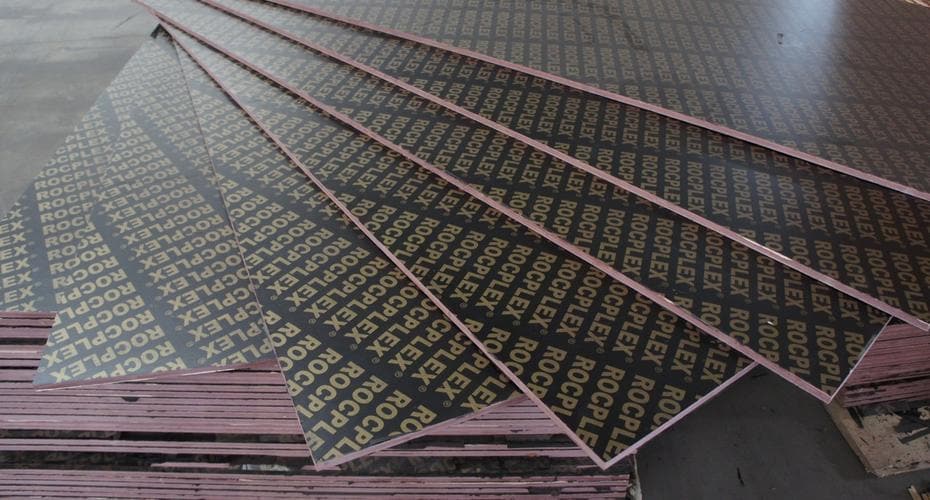
Film Faced Plywood Edge Sealing After Cutting
Film faced plywood edge sealing needs to follow the cutting and drilling plan. Factory edge…
Blockboard Core Gaps: What They Change in Cutting, Screws and Claims
Learn which cut-edge clues deserve an inspection record before a core issue becomes a customer claim.
Why Melamine Blockboard Chips During Cutting
Separate core structure from blade, feed and support causes when a decorative face breaks out.
Blockboard Door Warping: Why Flat Samples Twist After Delivery
Use balanced construction and storage evidence when a door sample and delivered part do not stay flat.
Need blockboard matched to a specific furniture cut list? Send the component drawing, surface reference, visible-edge plan and hardware positions. We can help turn them into an order-ready specification.