

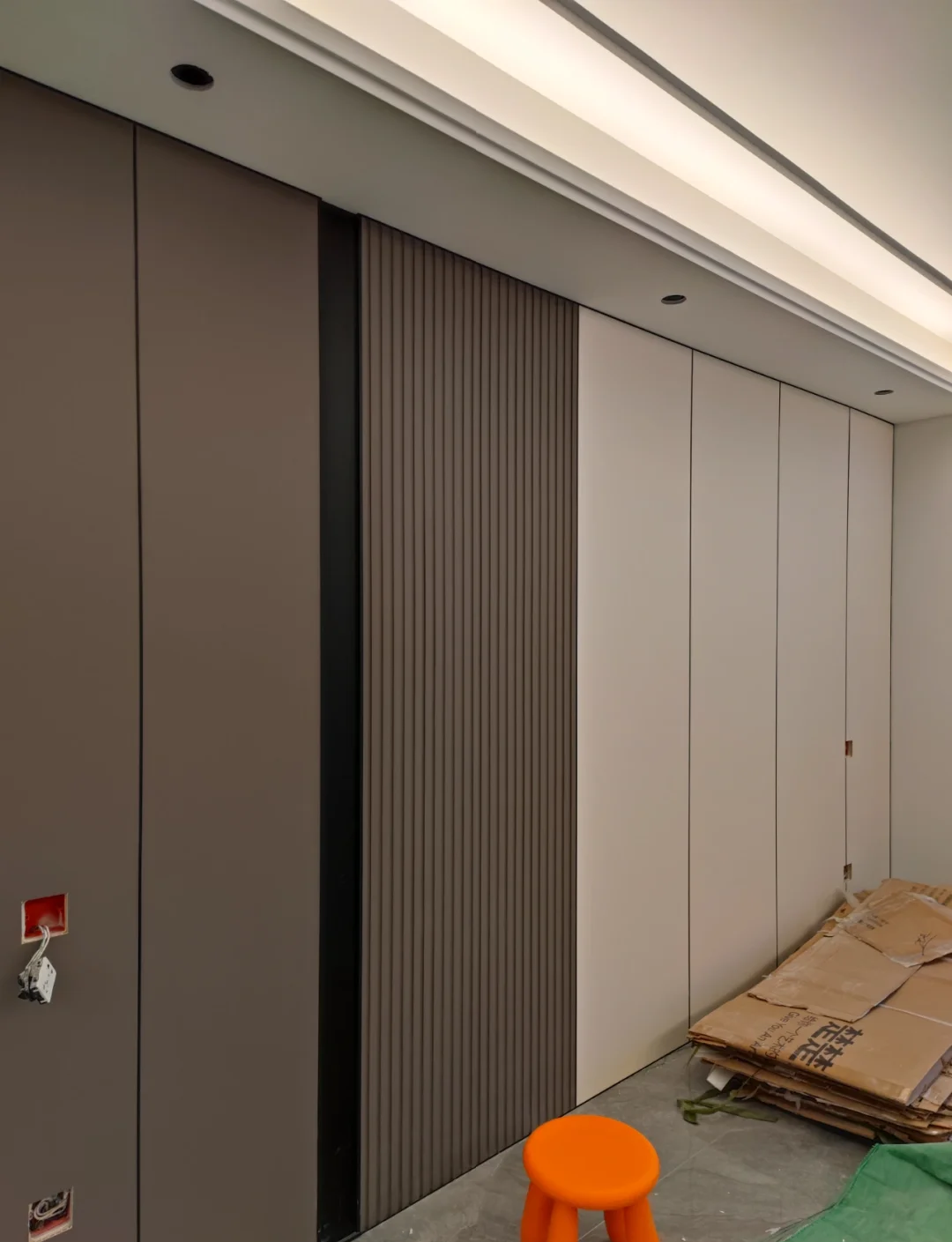
A wardrobe shelf can look flat when it leaves the workshop and still sag after the customer fills it. That does not automatically mean the board was weak or that the core was wrong. A melamine blockboard shelf is affected by the clear span, thickness, shelf depth, load pattern, support details and the time the load remains in place.
For an importer, the costly mistake is approving a board by face appearance alone, then discovering that the cabinet design asks one shelf to carry a long, heavy, permanent load. The short answer is simple: a stronger-looking core cannot compensate for an unsupported span or an unclear loading assumption. The order should connect the panel specification to the actual shelf geometry before the container is booked.
Key takeaways:
1. Shelf sag is a system problem: board build-up, span, thickness, depth, load and support all matter.
2. A shelf can pass an empty-shop check and still deflect under a long-term load.
3. Do not use one generic span rule for every blockboard construction, thickness and cabinet design.
4. Compare a retained sample under the same support and load arrangement as the finished furniture.
5. Put shelf span, load use, support points and acceptable appearance in the RFQ and Golden Sample record.
A Flat Shelf Is Not Yet a Proven Shelf
The first question is not whether the face looks clean. It is where the shelf is supported and what it will carry. A short shelf supported on both ends can behave very differently from a long shelf with the same board, even when both are 18 mm and use the same decor. Books, boxed products and stacks of kitchen goods also load a shelf differently from light folded clothing.
The Wood Panel Industries Federation notes in its PanelGuide furniture guidance that long-term loads must be considered for shelving because wood-based panels can creep: initial deflection can increase over time. That is why an acceptance check should not stop at an empty shelf or a one-minute trial.
For a faced product, keep the two systems clear. The melamine board range describes the decorative surface system, while the substrate supplies much of the shelf stiffness and screw-holding behavior. This article concerns melamine-faced blockboard. It does not assume that a result from melamine-faced chipboard or melamine MDF will transfer directly.
What Actually Changes Shelf Sag
A useful supplier conversation starts with the variables that can be seen and recorded. This avoids the vague request for a “strong shelf board,” which gives no one a stable acceptance target.
| Variable | What changes in real furniture | What to confirm before quotation |
|---|---|---|
| Clear span | A longer unsupported distance increases visible deflection and makes a small difference in stiffness more noticeable. | Inside cabinet width, fixed-divider positions and whether the shelf has a centre support. |
| Thickness and depth | A thicker or deeper shelf may feel stiffer, but dimensions only help when they match the actual span and support arrangement. | Finished shelf size after cutting, edging and any front lipping or reinforcement. |
| Core construction | Strip width, joint condition, face build-up and local variation can influence how the panel responds across its length. | Blockboard construction, face configuration and the approved sample. |
| Load pattern | A few items near the supports do not behave like a continuous row of books or cartons placed in the middle. | Expected load type, whether it is evenly distributed, and the heaviest normal use. |
| Time and environment | A permanent load and changing humidity can make an initially acceptable result look worse later. | Indoor application, storage conditions and whether wet cleaning or humidity exposure is expected. |
| Support and fixing | A weak shelf pin, loose side panel or missing centre divider can create a furniture failure that the panel alone cannot solve. | Support hardware, edge distance, cabinet construction and installation method. |
The USDA Forest Products Laboratory explains that structural analysis evaluates forces, stresses and deformations under load, including for furniture. Its Wood Handbook chapter on structural analysis is useful background for the principle behind a shelf test: loading, span and stiffness have to be considered together. It is not a substitute for a product-specific shelf rating.
Why a Strip Core Does Not Give an Automatic Span Guarantee
Blockboard is built around timber strips with face layers above and below. This construction can be useful where buyers want a panel with a strip-based core, but the board name alone does not tell you what an individual shelf can carry. Two panels called blockboard may differ in core species, strip dimensions, face layers, thickness, moisture condition and construction consistency.
The blockboard product page is the right starting point for confirming the core and face system. For shelf use, take that discussion one step further: ask how the board will be cut, which direction the shelf will span, whether an exposed edge will be banded, and whether the cabinet design adds a front rail, back panel or centre divider.
A shelf can also fail as an assembly while the panel remains intact. If the shelf pin sinks into a side panel, if the support is too close to the edge, or if the carcass racks during installation, the visible result is still sag. That is why a complaint record should show the full cabinet and supports, not only a close-up of the shelf face.
The Buyer Mistake: Testing a Short Offcut
A small offcut is useful for checking colour, texture and edge banding. It is not enough to approve shelf performance. Short pieces naturally look stiffer because they do not reproduce the finished clear span. A sample can also be cut in a direction that is different from the final shelf component.
For a practical trial, use one full-size or near-full-size shelf sample. Support it as the finished cabinet will support it, apply a realistic distributed load, and record the initial condition before the load is added. If the application will carry a permanent load, keep the test long enough to reveal whether the appearance changes. Do not create a universal pass/fail number from a quick workshop check; agree the practical target with the furniture design and the buyer market.
- Use the finished span: measure the clear distance between the actual support points, not the outer cabinet width.
- Record the direction: label the sample, cut direction, face sides and the direction in which the shelf spans.
- Apply the normal load: use the products the shelf is expected to carry, or an agreed equivalent distributed load.
- Check the whole assembly: photograph the supports, side panels, fixing method and any centre divider.
- Keep a reference: retain the labelled sample and photos with the Golden Sample, quotation and production record.
This does not require a laboratory or expensive measuring equipment. A straightedge, a simple ruler, clear support photos and the same test arrangement are usually more useful for a small importer than a single isolated measurement.
When MFC or MDF May Be the Better Shelf Choice
The correct comparison is not “which board is strongest” in the abstract. It is which substrate and cabinet design give the buyer the expected appearance, machining result, cost and stock plan. MFC, melamine MDF and melamine blockboard can all be suitable in different shelf applications, but their cores and procurement risks are different.
| If the buyer needs | Questions to ask | What the order file should identify |
|---|---|---|
| A long visible wardrobe shelf | What is the clear span, permanent load and whether a centre divider is acceptable? | Substrate, thickness, shelf size, support layout and required appearance after loading. |
| A budget furniture SKU with repeatable decor | Does the design accept a centre support or a shorter module width? | Decor code, substrate, thickness, shelf pins, edge treatment and packing by SKU. |
| A shaped or heavily machined component | Will the workshop route, drill or profile the edge before banding? | Machining route, edge finish, hole pattern and a sample cut with the intended process. |
| A humid indoor setting | Can water reach an exposed edge, joint or hardware hole during normal use or cleaning? | Moisture exposure assumptions, edge treatment and the selected substrate grade. |
If the comparison becomes MFC versus another substrate, make the core explicit. Our article on raw particleboard and melamine faced chipboard explains why the decorative surface and the substrate should be specified as separate parts of the product. That same discipline prevents a supplier quote from quietly changing the shelf material while keeping a familiar decor name.
Put Shelf Performance Into the RFQ
A good RFQ does not need to contain an engineering calculation. It does need enough detail for the supplier and buyer to review the same product use. “18 mm melamine blockboard for wardrobes” is incomplete if the shelf is the part most likely to carry a permanent load.
| RFQ item | Useful wording to add | Commercial reason |
|---|---|---|
| Finished shelf size | State finished length, depth, thickness and clear span after installation. | Stops the sample from being approved at a shorter, easier span. |
| Substrate and surface | Name melamine-faced blockboard, core construction, decor, texture and face configuration. | Separates the decorative face from the load-bearing panel system. |
| Use case | State wardrobe, shop display, bookcase, kitchen cabinet or another real application. | Shows whether the shelf carries light, occasional or long-term weight. |
| Support arrangement | Describe side supports, centre divider, back panel, front rail and hardware where known. | Makes the test and later claim relevant to the actual furniture. |
| Approval evidence | Keep a Golden Sample, shelf-test photos, bundle label and date in the order file. | Creates a reference if repeat orders or complaints occur. |
For mixed product lines, Momentimber can help turn the component, span and finish requirement into a matching board specification, production follow-up and a practical inspection plan. The point is not to promise that every shelf will carry every load. It is to remove the hidden assumptions before price, MOQ and delivery are agreed.
If a Shelf Sags After Arrival
Start with evidence, not blame. Photograph the shelf empty and loaded, then show the full cabinet, each support point, the clear span, the affected edge and the panel label if it remains available. Record whether the sag appeared immediately, after installation, or after weeks of use. Those details distinguish a design limit, installation issue, assembly failure and possible panel variation.
Do not compare a loaded shelf with a short unused offcut. Compare the current shelf with the approved sample under the same span and support arrangement. If the customer has used a different substrate than the one approved, identify that before deciding whether the case is a quality claim or a specification change.
The practical decision is straightforward. A shelf design with too much unsupported span needs a design fix, such as a divider, support or revised component size. A repeated issue under an agreed test arrangement needs the board construction and shipment evidence reviewed. Either way, the next order should contain the missing information rather than repeat the same vague description.
Frequently Asked Questions
Related Reading
Sanded OSB for Furniture Still Needs a Finish Plan
OSB material reference only; sanding quality and the final finish need separate approval. Sanded OSB…
Plywood vs OSB for Crates Is More Than a Price Choice
Protected panel bundles are a supply-stage reference, not an approved design for a shipping crate….
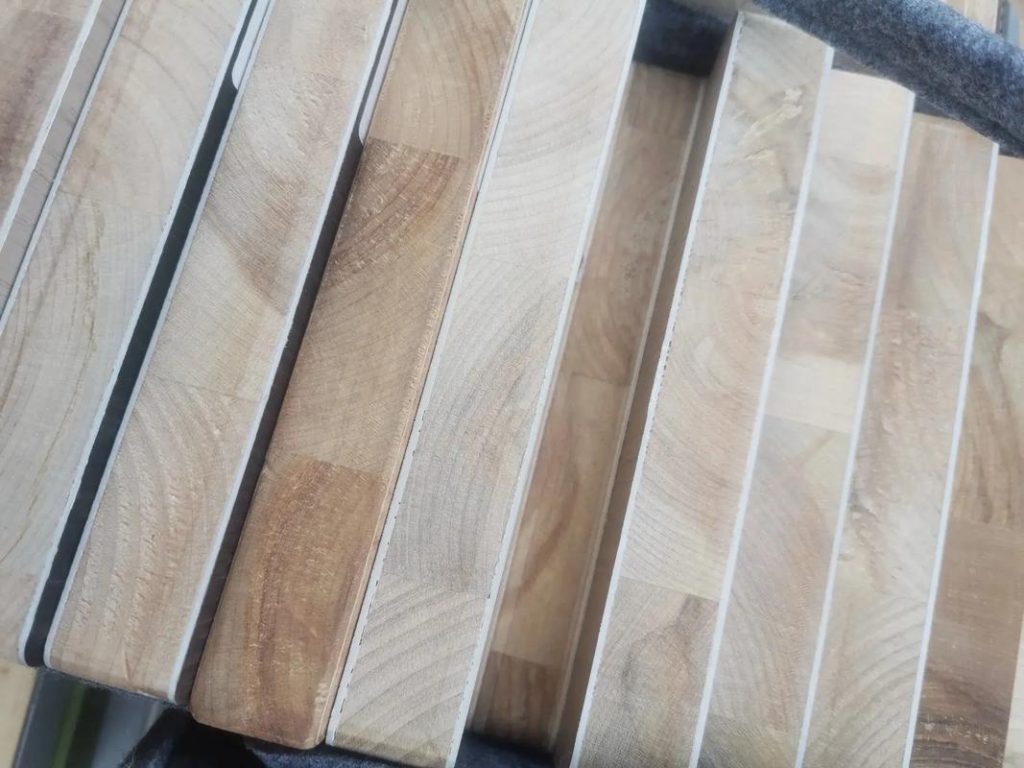
Blockboard vs Finger Joint Board for Furniture Buyers
A visible timber-strip core does not make the finished panel the same as an exposed…

Synchronized Melamine Board Goes Beyond the Print
Woodgrain design reference only. A flat image cannot demonstrate EIR texture or alignment. Synchronized melamine…
Lightweight MDF vs Standard MDF for Furniture Parts
Panel appearance alone does not identify a lightweight MDF grade. Lightweight MDF can make a…
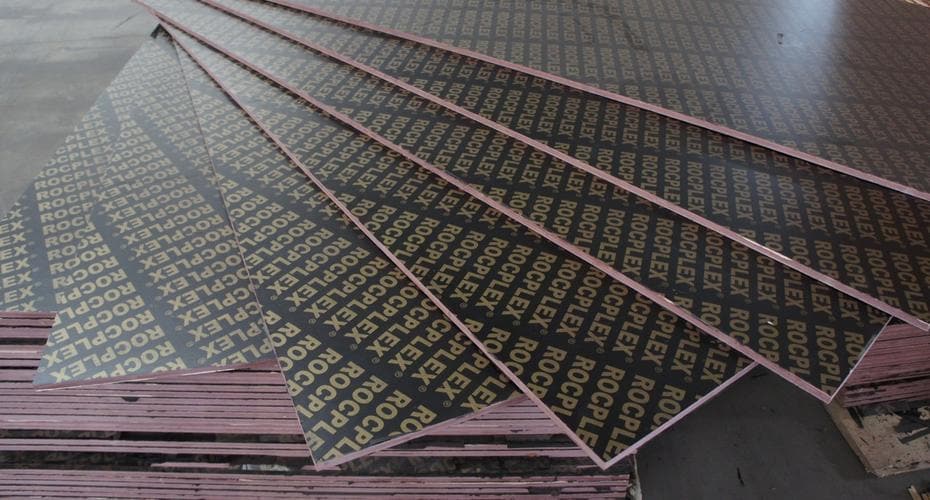
Film Faced Plywood Edge Sealing After Cutting
Film faced plywood edge sealing needs to follow the cutting and drilling plan. Factory edge…
What Is Blockboard? Its Product Structure and Market Situation
Review the strip-core construction and the product details that should be recorded before pricing a faced board.
Why 18mm MDF Sheets Can Weigh So Differently
See why density, thickness and tolerance should be separated before comparing boards by weight or price.
How Woodgrain Direction Changes Melamine Board Yield
Plan directional decor, component layout and cutting yield before a repeat furniture order is confirmed.
Match the Shelf to the Cabinet Before You Order
Send the intended shelf length, depth, thickness, expected load, support layout and decor reference. We can help match the substrate and surface specification, retain a practical sample record and coordinate production, inspection and packing details.
Contact Momentimber to review a melamine blockboard shelf specification.