

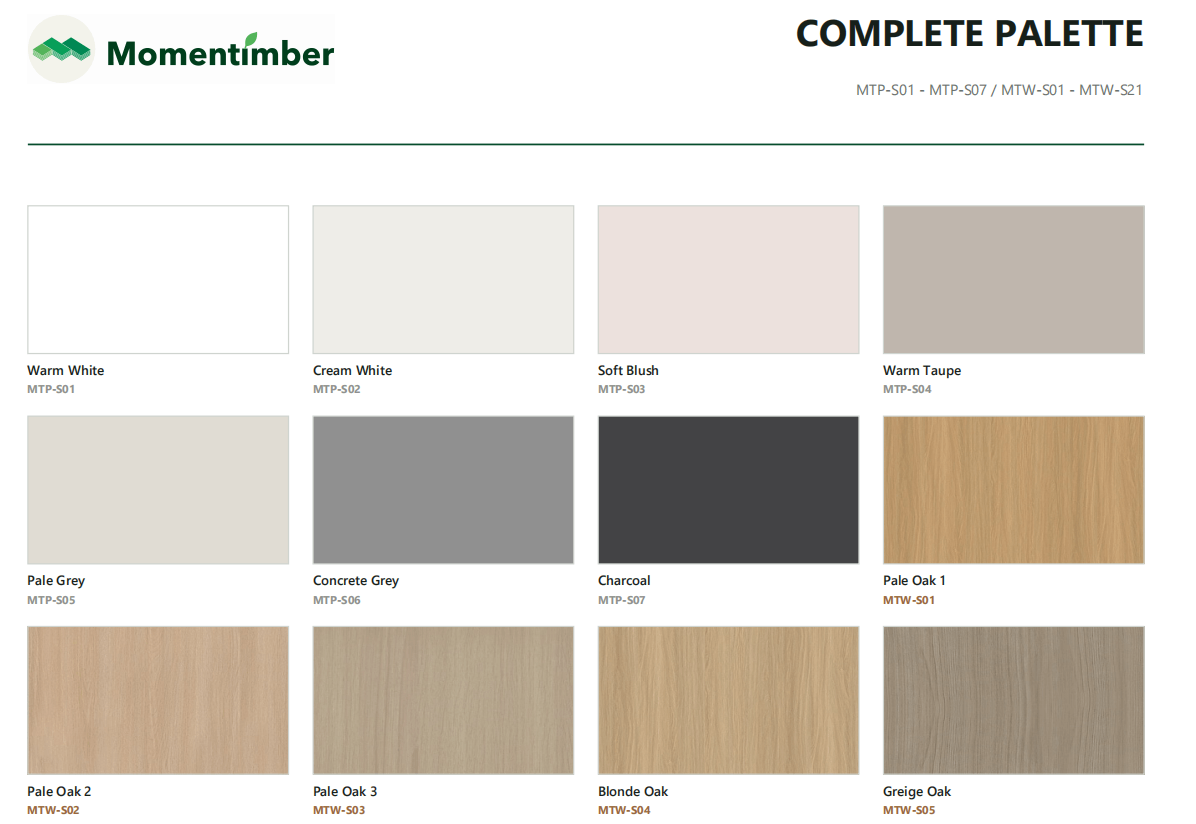
A distributor can fill a warehouse with attractive boards and still have a weak product range. One oak decor may sell only when the matching edge band is available. One white board may look clean under warehouse lighting but read warmer than the cabinet doors in a showroom. A low-price grey may sit for months because it was ordered on a supplier chart rather than around real furniture demand. A strong melamine board finish range is not a long list of colours. It is a controlled selection of surfaces, substrates and supporting items that customers can actually specify, machine and reorder.
The goal is not to copy a giant catalogue. For an early-stage importer or distributor, the better goal is a useful core range, clear special-order choices and a sample system that removes ambiguity before stock arrives. That creates fewer slow-moving sheets and gives the sales team a more credible answer when a furniture buyer asks what is really behind the finish.
Key takeaways:
1. A sellable melamine board SKU includes decor, texture, gloss, substrate, thickness and edge-band reference.
2. Keep high-turnover finishes as core stock; use samples or made-to-order supply for expansion decors.
3. Treat the surface system and the MDF or particleboard substrate as separate specifications.
4. Approve board and edge band together under practical lighting.
5. Use one labelled physical sample card, not a photo, as the repeat-order reference.
A Finish Is More Than a Printed Colour
A melamine board is a decorative surface system bonded to a wood-based core. The same surface family may be supplied on particleboard or MDF. The NEN overview for EN 14322 describes decorative melamine-faced boards for interior use and notes their surface and dimensional requirements. For a distributor, that is a useful reminder: the decor is not the complete product. It must be sold with the correct substrate and finished-board specification.
When a buyer says “I need walnut melamine board,” ask several follow-up questions before naming a stock item. Is the panel for cabinet sides, doors, shelves or a wall panel? Does the buyer need a matte, textured or more reflective finish? Is the substrate particleboard for an edged cabinet carcass, or MDF for a different machining and finishing requirement? Does the edge band need to match exactly? The answers may turn one broad colour request into two different sellable SKUs.
| SKU field | What to record | What goes wrong if it is missing |
|---|---|---|
| Decor | Supplier decor code, reference sample and colour family. | A familiar name such as oak or white is mistaken for a repeatable reference. |
| Finish | Texture, embossing, gloss level and how it looks under ordinary side light. | The board may be accepted in a warehouse but rejected beside an existing cabinet. |
| Substrate | Particleboard or MDF, plus relevant grade and finished thickness. | A surface match is sold for a component that needs a different core behaviour. |
| Face configuration | One or two faced sides, reverse colour and edge plan. | The customer receives an unsuitable reverse or has unexpected edge-band needs. |
| Supporting item | Matched edge-band code, sample card and repeat-order record. | The furniture shop cannot complete a visually coherent component. |
Build Three Levels Instead of One Large Stock List
Most new distributors do not need fifty decors in stock. They need a structure that makes replenishment and customer conversations easier. Use a core range for proven neutral and common woodgrain choices. Add a differentiated range for colours or textures that fit a specific customer group. Keep the rest as sample-led, made-to-order options until local demand is real. This protects cash and still lets the business respond to a broader enquiry.
| Range level | Typical role | Buying discipline |
|---|---|---|
| Core stock | Fast-moving whites, simple neutrals and a limited number of dependable woodgrains. | Keep the board, matched edge band and sample reference available for repeat orders. |
| Differentiated stock | A small set of finishes that suit a named local furniture style or customer segment. | Order only with a target turnover plan and a clear substitute option. |
| Made to order | Special textures, project colours, unusual sizes or low-volume requests. | Confirm MOQ, lead time, substrate and finished sample before making a sales promise. |
The point is not to decide that one finish is objectively better. It is to link each finish to a route to market. A high-turnover white may work across many cabinet customers. A deep embossed woodgrain may be valuable for a project customer, but only if its edge band, minimum order and repeat path are understood. A sales team should be able to explain which category a decor belongs to instead of treating every sample as ready stock.
Keep the Surface System and Substrate System Separate
A melamine finish can appear on more than one core. Raw Particleboard vs Melamine Faced Chipboard explains why the board substrate and the decorative face should not be mixed up when comparing offers. The same rule applies to a decor catalogue. A customer may like the colour but still need a different substrate, thickness or machining route.
For example, a melamine-faced particleboard cabinet side and a melamine-faced MDF component can carry a related decor, yet their weight, edges, drilling, screw zones and intended processing can differ. Keep separate SKU records even if the decor code is shared. That way, a salesman does not accidentally replace one construction with another just because the face looks similar.
Texture and gloss are commercial details
A flat visual scan of a woodgrain does not show whether the surface is smooth, lightly textured or deeply embossed. Those differences affect buyer approval, edge-band appearance and the way a display board reads under side light. The guide to melamine texture on repeat orders explains why the same decor name is not enough. Build texture and gloss into the SKU name or product card, not into someone’s memory.
Edge banding belongs in the range plan
Many end customers see the edge more closely than the face. When choosing a core decor, place its edge-band sample beside the board in normal showroom or workshop light. Record both codes together. For some products, a complementary rather than exact pattern match may be the sensible choice, but that should be a deliberate sales decision, not an arrival surprise.
Use a Physical Sample Record
A simple sample record can prevent many repeat-order disagreements. Attach or photograph the board and edge band together, then record the decor code, texture, gloss, substrate, thickness, face/reverse arrangement, date and supplier route. For an important furniture customer, add a finished cabinet component. This is a practical Golden Sample, not a technical burden.
- Give every stocked decor a clear internal SKU name and the supplier decor code.
- Record the exact substrate and finished thickness beside the decor information.
- Store an edge-band reference with the board sample rather than in a separate unidentified box.
- Show the sample under ordinary side light before presenting it as a colour match.
- Review slow-moving finishes before reordering and move them to made-to-order status when needed.
What to Confirm Before a Stock or Project Order
Before committing to a larger buy, confirm which pieces make the range sellable: physical sample, substrate, thickness, face configuration, edge band, packing marks and lead time. For a project order, add the component drawing and cut direction if the decor has a directional woodgrain. For a core stock order, agree how new batches will be checked against the retained board-and-edge reference.
Order checklist to adapt:
Melamine board finish: [decor code and physical reference]. Texture and gloss: [description]. Substrate: [particleboard / MDF and applicable requirement]. Finished size and thickness: [value]. Faces: [one/two, reverse requirement]. Edge band: [code and sample]. Stock class: [core / differentiated / made to order]. Keep one labelled board-and-edge sample as the Golden Sample. Any change to decor, texture, gloss, substrate, thickness, face configuration or edge band requires written approval.
This order logic also supports fairer claims. If a customer says a board is “not the same,” the team can compare the listed fields rather than relying on a photo. The article changing the substrate without changing the decor is useful when a customer proposes a substitution. It shows why a matching face does not automatically mean a matching finished component.
Let the Range Earn Its Expansion
Track actual requests, sample take-outs, repeat sales and edge-band demand. When a made-to-order finish repeats often enough, move it into differentiated or core stock. When a stocked colour stalls, do not hide the result by placing another order. Reduce it to a sample option until a real customer or project justifies new volume. This is how a small distributor builds a range with evidence rather than optimism.
Momentimber supports melamine-faced board specification matching, sample coordination, production follow-up, inspection and packing evidence across MDF and particleboard supply routes. Our company profile explains this supplier-service role. Share the target market, preferred decors, substrate needs and expected order mix before buying stock so the range can be built around usable customer demand.
Frequently Asked Questions
Related Reading
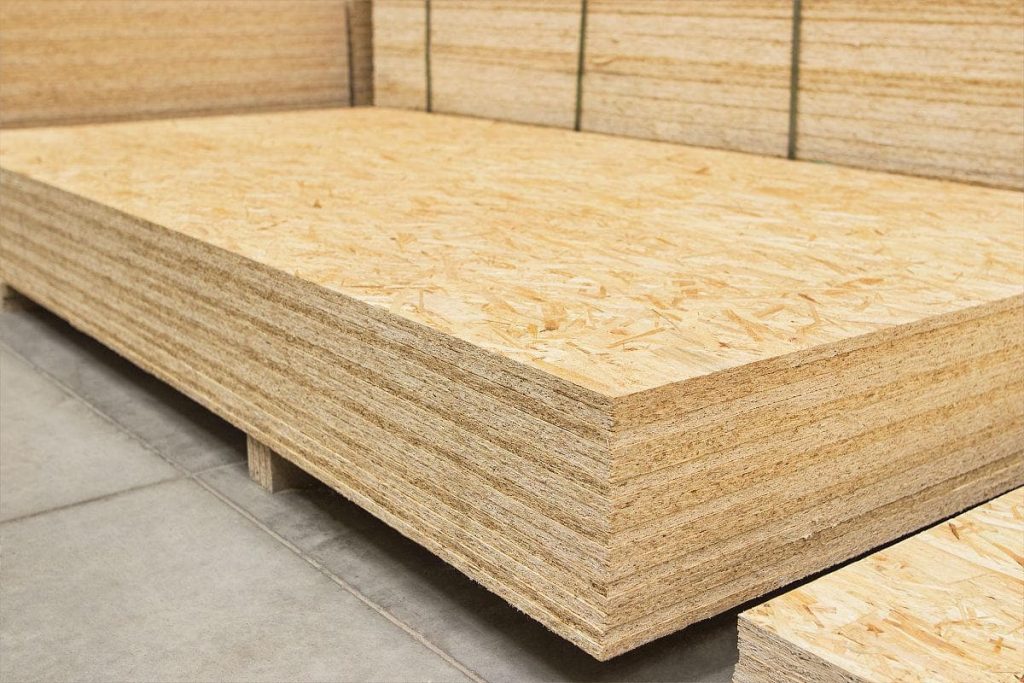
Sanded OSB for Furniture Still Needs a Finish Plan
OSB material reference only; sanding quality and the final finish need separate approval. Sanded OSB…
Plywood vs OSB for Crates Is More Than a Price Choice
Protected panel bundles are a supply-stage reference, not an approved design for a shipping crate….
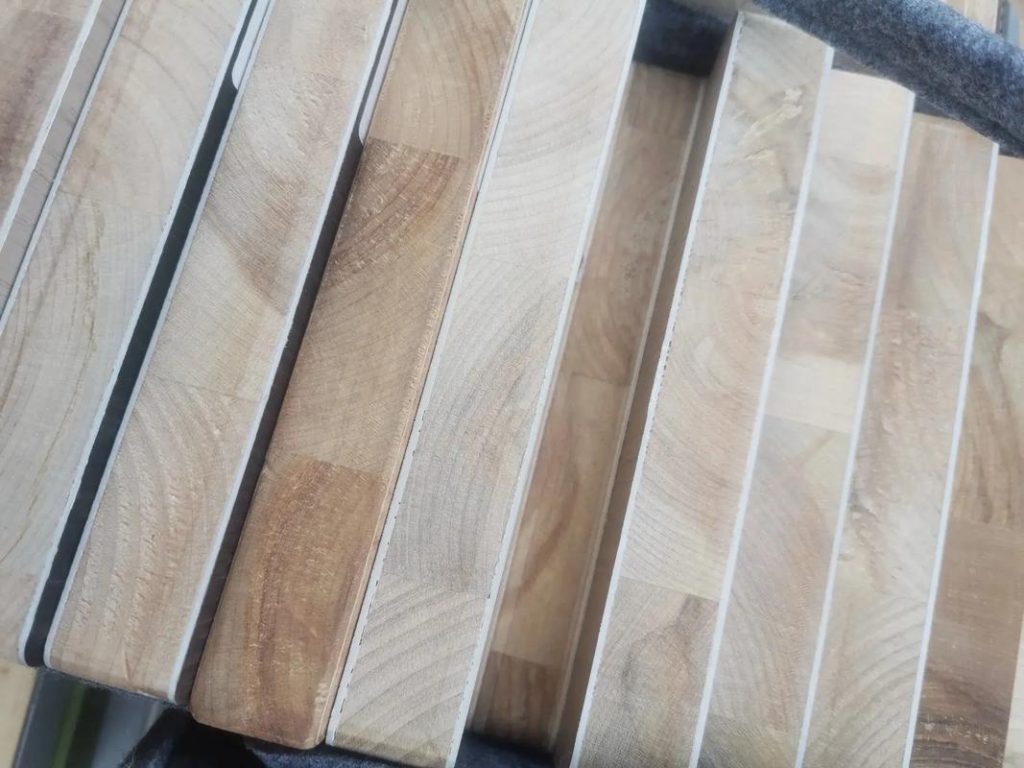
Blockboard vs Finger Joint Board for Furniture Buyers
A visible timber-strip core does not make the finished panel the same as an exposed…

Synchronized Melamine Board Goes Beyond the Print
Woodgrain design reference only. A flat image cannot demonstrate EIR texture or alignment. Synchronized melamine…
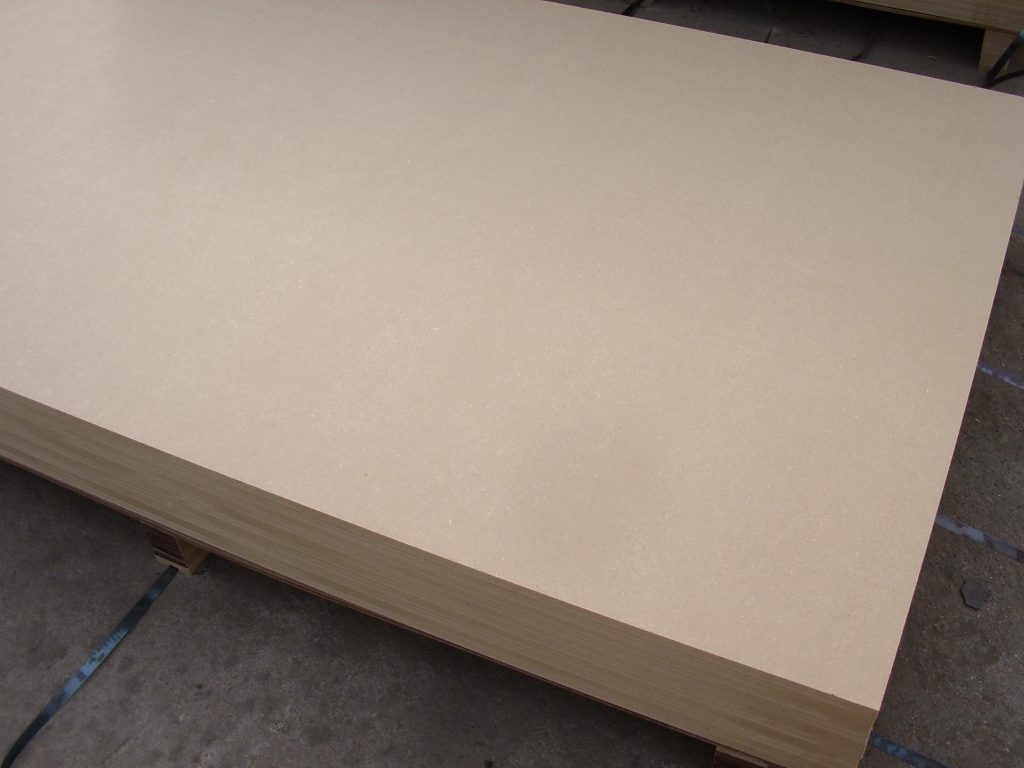
Lightweight MDF vs Standard MDF for Furniture Parts
Panel appearance alone does not identify a lightweight MDF grade. Lightweight MDF can make a…
Film Faced Plywood Edge Sealing After Cutting
Film faced plywood edge sealing needs to follow the cutting and drilling plan. Factory edge…
Plywood for Melamine Facing Needs More Than Sanding
Plywood for melamine facing needs more than a smooth touch. Sanding can prepare a face,…
Cleaning Melamine Board Without Damaging the Finish
Cleaning melamine board should start with the supplied care instructions and a gentle method, not…
Melamine Board Orders: Why the Same Decor Can Arrive With a Different Texture
Approve the texture and gloss as well as the printed decor before promising a repeat finish.
Can You Change the Substrate Without Changing the Decor?
Keep the surface system and the selected MDF or particleboard substrate under separate control.
Melamine Board Cutting Yield: Why Woodgrain Direction Changes the Cut List
Make sure a sellable woodgrain decor can also be cut efficiently for the customer’s cabinet layout.
Building a melamine board range for your market? Send the customer segment, preferred decors, substrate needs and target quantities. We can help turn them into a practical sourcing specification.
Contact Momentimber about melamine board sourcing and sample planning.