


Two suppliers can quote the same thickness, size and OSB 3 price, yet deliver panels that behave very differently after unloading, cutting or temporary exposure to weather. That does not prove either supplier is dishonest. It usually means the quotation is describing a label, while the buyer still needs to define the panel, the evidence and the handling conditions behind that label.
For an importer, the practical question is not “Which OSB/3 quote is cheapest?” It is “Which quotation gives my distributor or project customer the lowest repeat-order and claim risk for the intended use?” A useful comparison separates performance needs, measurable specification items, packing and the documents that connect the delivered bundles to the approved sample.
Buyer takeaway: Do not compare a bare OSB/3 label with another bare label. First align the end use, thickness, panel marking, edge condition, moisture-exposure expectation, bundle protection and approval evidence. Only then is the price comparison meaningful.
Why an OSB/3 Label Does Not Finish the Specification
OSB is built from oriented wood strands and heat-cured adhesive. The cross-oriented layers give it a different structure from plywood and particleboard. Momentimber’s OSB product page is a starting point for grade and application discussions, but the intended component still has to be written into the order.
A grade designation may refer to a standard and a moisture-use class. It does not automatically tell the buyer the exact thickness tolerance, panel size, face condition, edge treatment, marking scheme, bundle cover or construction-document package. For structural applications, the PS 2 performance-standard overview illustrates why markings, thickness, bond classification and performance information belong together rather than being treated as one word on a quotation.
| What the buyer sees | What may still be different | Why it changes the quote |
|---|---|---|
| “OSB/3, 18 mm” | Actual thickness range, size tolerance and moisture at dispatch | A thin or variable panel may change fit, weight and downstream processing. |
| Same nominal size | Net panel size, squareness, edge profile and cut accuracy | Installation, packing patterns and yield may change. |
| Same grade wording | Performance mark, test basis, intended application and traceability | The buyer may not be comparing identical performance evidence. |
| Same sheet price | Corner protection, water-resistant cover, pallets, bands and loading plan | Damage and moisture risk can move from the supplier to the importer. |
A lower quote can be a narrower quote
A lower price is sometimes completely valid. A buyer may be asking for a basic industrial panel rather than a documented structural panel, a protected shipment or a tight-tolerance cut size. The problem begins when the sales description sounds the same but the underlying agreement is not the same. Ask each supplier to state exclusions instead of assuming that an OSB/3 label carries every requirement.
Compare the Panel Before You Compare the OSB 3 Price
Start with the end use. Roof or wall sheathing, temporary hoarding, pallet components, furniture framing and export crating can all use OSB, but they do not load the panel, expose its edges or require its surface in the same way. A distributor should not borrow one customer specification for every OSB customer.
| RFQ item | Practical question | Evidence to retain |
|---|---|---|
| Use and exposure | Is the panel structural, non-structural, interior, temporarily weather-exposed or fully protected in service? | Customer drawing, use statement and project requirement. |
| Thickness and size | What nominal thickness, permitted range, net size and squareness are accepted? | Approved dimensional sheet and sample measurements. |
| Panel class | Which standard, grade or performance marking is required in the destination market? | Panel stamp photo, declaration and relevant report. |
| Surface and edges | Are rough faces acceptable? Is tongue-and-groove, square edge or edge sealing required? | Face and edge photos from the Golden Sample. |
| Packing and route | Could rain, port waiting or warehouse humidity reach the bundle? | Packing drawing, loading photos and arrival check plan. |
The OSB 3 price should therefore be tied to a named panel configuration. “18 mm OSB/3” is a start. “18 mm OSB/3, stated panel size and tolerance, square edge, agreed marking, protected export bundle, destination and approval sample reference” is something two suppliers can actually quote against.
Three Quote Gaps That Create Expensive Surprises
1. The sheet matches in name but not in usable dimensions
Nominal thickness and actual thickness are not interchangeable. Neither are gross bundle dimensions and net panel size. Measure several sheets from the approved sample and later from the pre-shipment lot. Record the points measured, the instrument, the moisture condition and the acceptable range. That gives the factory, inspector and customer the same reference when a component later feels tight, loose or uneven.
2. Grade wording is not supported by traceable evidence
When the application depends on a performance class, ask for the marking scheme and its link to the actual bundle. The APA OSB guide explains that OSB is used across structural and industrial applications; the correct designation depends on the end use rather than an appearance judgment. A test report that cannot be connected to the quoted construction, mill, period or bundle is weaker evidence than a clear, traceable document pack.
3. Packing is treated as a freight detail instead of a product requirement
OSB edges and faces can pick up moisture during loading, transshipment or open-yard storage. A bundle may leave a dry factory in good condition and arrive with softened corners, staining or edge change after rain exposure. Specify the protective layer, top cover, corner protection, pallet or bearer arrangement, steel bands, container loading plan and the arrival-photo procedure. These are not decorative extras when the destination warehouse has limited weather protection.
Use a Landed-Risk Comparison, Not a Sheet-Price Comparison
A procurement sheet should put the bids side by side with the same columns. This is especially useful when one supplier gives a simple low price and another includes documents, protection or a more controlled size. It prevents a team from treating a later warehouse or customer complaint as an unexpected cost.
| Comparison line | Supplier A | Supplier B | Decision question |
|---|---|---|---|
| Quoted board configuration | Write the complete configuration | Write the complete configuration | Are the panels truly equivalent? |
| Material and freight cost | Board, packing, loading and freight assumptions | Board, packing, loading and freight assumptions | Which cost is included or excluded? |
| Evidence package | Sample, marks, report and inspection access | Sample, marks, report and inspection access | Can each claim be checked later? |
| Failure exposure | Likely damage, delay, rework or customer-return cost | Likely damage, delay, rework or customer-return cost | Which risk stays with the importer? |
| Repeat-order control | Sample and order reference method | Sample and order reference method | Can the customer receive the same product again? |
Practical rule: A few dollars saved per cubic meter can disappear quickly if one container requires sorting, extra drying time, replacement corner packs or a customer concession. Record the likely cost of a failure before selecting the apparent lowest OSB 3 price.
Build an Approval Package That a Small Importer Can Actually Use
You do not need a laboratory in every warehouse to buy more safely. The aim is a repeatable, modest evidence pack. Keep one signed Golden Sample, a short specification sheet, photos of face and edge condition, measurements from several sheets, bundle labels and loading photos. When a customer has a critical application, add the applicable marking, declared performance documents and a third-party inspection scope.
Before shipment, Momentimber can coordinate the agreed checks through its quality-control process: confirm visible panel condition, count and label bundles, record selected dimensions, compare packing against the order and retain container-loading evidence. The inspection cannot turn a vague purchase order into a good order, so agree the checks before production is complete.
Keep the Golden Sample usable
- Label the sample with the supplier, product code, nominal size, thickness, intended use and approval date.
- Photograph both faces, two long edges, two short edges and a cut edge under ordinary daylight.
- Record the measurement method, not just the numbers.
- Store a small piece of the sample where the receiving team can find it for repeat orders and claims.
- Reference that sample code on the proforma invoice, inspection request and packing list where practical.
A Simple Receiving Check Helps Separate Damage From Specification Failure
At arrival, inspect the first accessible bundles before the warehouse team cuts bands or distributes sheets. Photograph the outer cover, corners, banding, pallet support and any wet areas. Then open enough bundles to compare face condition, edges and a few dimensions with the approved sample. The method in Warehouse Tests for Plywood Without a Laboratory is about another panel type, but its evidence principle applies here: capture the condition before normal handling makes responsibility harder to trace.
If the first bundle has a problem, do not immediately declare the whole container defective. Map where the affected boards sit, note whether the issue is near exposed edges or bottom support points, and keep both passed and failed pieces. This allows the supplier, forwarder and buyer to discuss a specific pattern rather than a general accusation.
What to Put in the Purchase Order
The final order should convert the comparison into plain, checkable language. Avoid vague phrases such as “good quality” or “export standard” when a customer needs a particular result. The list below is compact enough for a growing importer and detailed enough to prevent the most common quote gap.
- Product and intended application, including whether temporary moisture exposure is expected.
- Nominal thickness, permitted tolerance, panel size, squareness and edge profile.
- Required grade, standard or marking and the document expected with the shipment.
- Face condition, edge condition and whether repairs, surface variation or offcuts are acceptable.
- Moisture, packing layers, corner protection, pallet or bearer configuration and banding.
- Golden Sample reference, pre-shipment inspection points, claim-photo timing and bundle traceability.
Choose the Supplier Who Can Quote the Same Board Clearly
The best supplier is not automatically the highest-price supplier or the lowest-price supplier. It is the supplier who can identify the actual panel, state the limits, provide evidence and repeat the agreed configuration. When this is done, the OSB/3 label becomes part of a controlled purchase rather than a shortcut that hides decisions.
Send the intended use, destination, target thickness, panel size, expected exposure, required documents and packing preference with the first enquiry. We can help turn that information into a supplier-comparison sheet, retain the Golden Sample and coordinate production, inspection and loading evidence before the container leaves.
Frequently Asked Questions
Related Reading
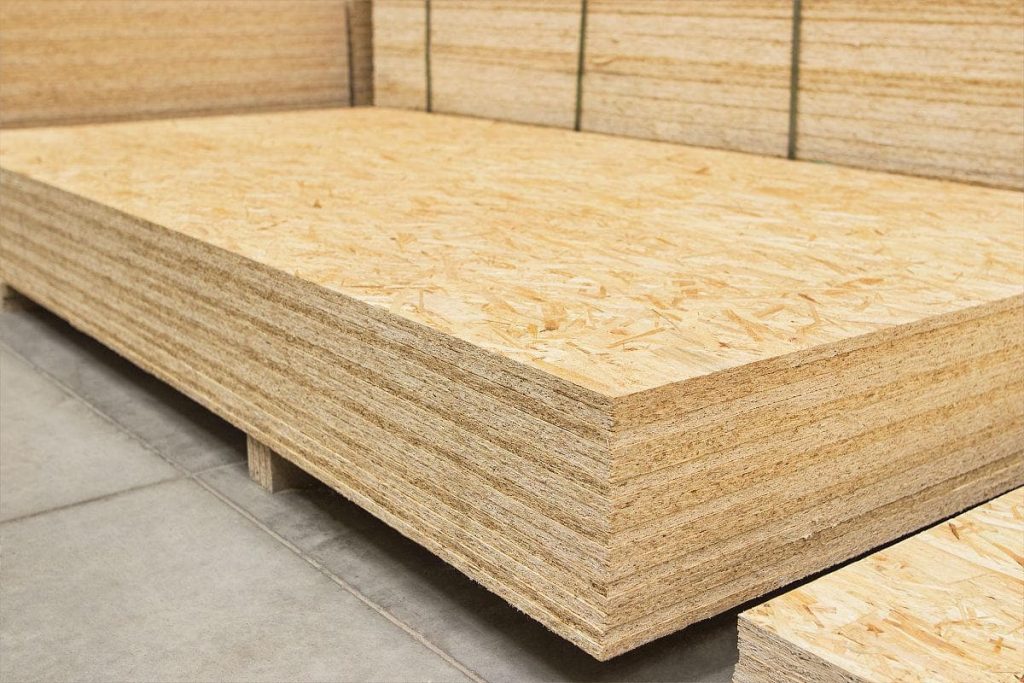
Sanded OSB for Furniture Still Needs a Finish Plan
OSB material reference only; sanding quality and the final finish need separate approval. Sanded OSB…
Plywood vs OSB for Crates Is More Than a Price Choice
Protected panel bundles are a supply-stage reference, not an approved design for a shipping crate….
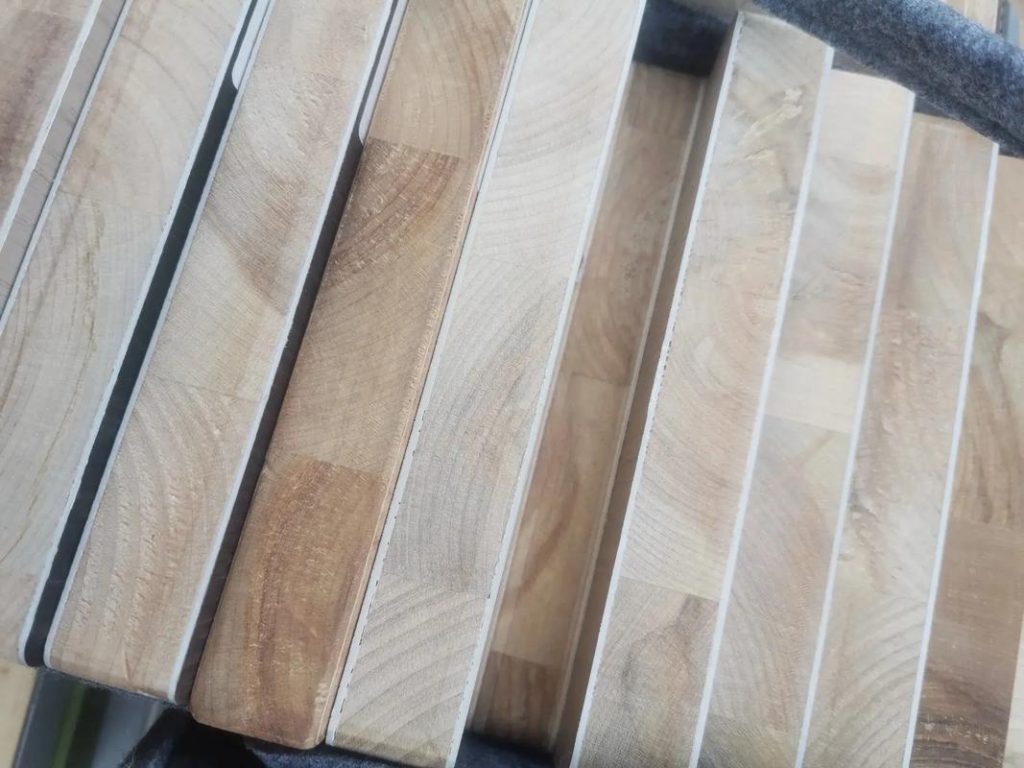
Blockboard vs Finger Joint Board for Furniture Buyers
A visible timber-strip core does not make the finished panel the same as an exposed…

Synchronized Melamine Board Goes Beyond the Print
Woodgrain design reference only. A flat image cannot demonstrate EIR texture or alignment. Synchronized melamine…
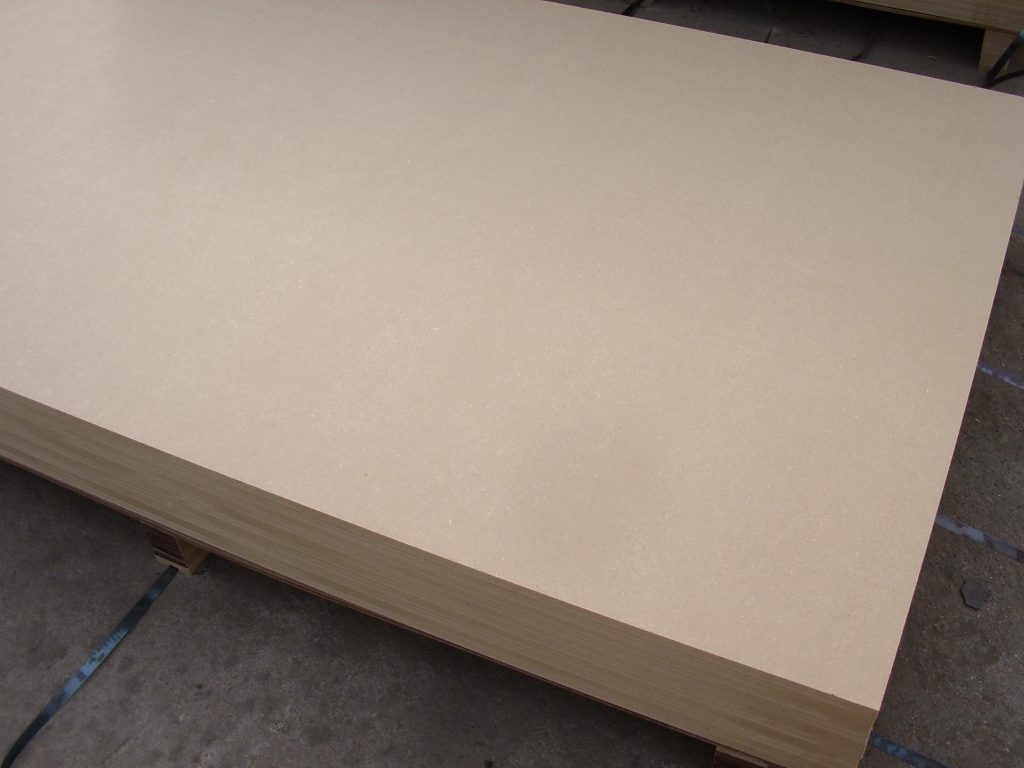
Lightweight MDF vs Standard MDF for Furniture Parts
Panel appearance alone does not identify a lightweight MDF grade. Lightweight MDF can make a…
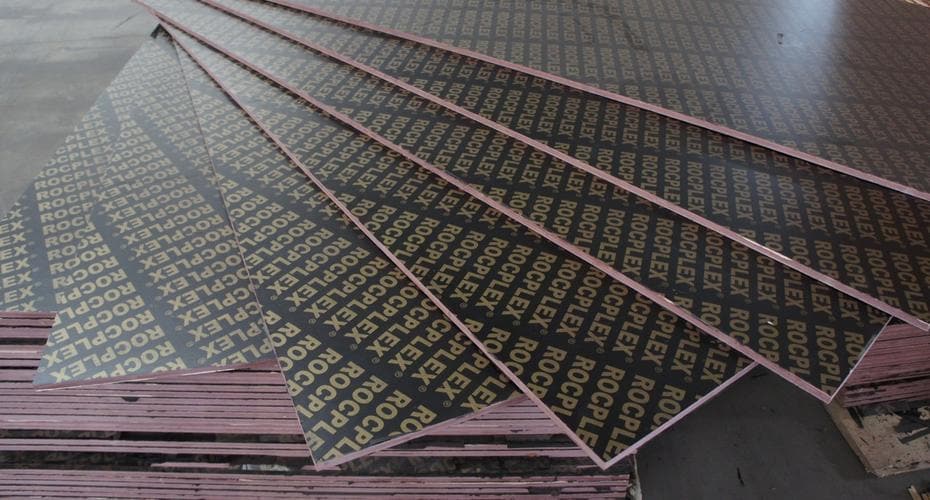
Film Faced Plywood Edge Sealing After Cutting
Film faced plywood edge sealing needs to follow the cutting and drilling plan. Factory edge…
What Is Plywood? Structure and Core Types
Compare another panel construction system before assuming a grade name means the same thing across products.
OSB: Durable Oriented Strand Board
Review OSB grades, construction and common applications before defining a supplier quotation.
Warehouse Tests for Plywood Without a Laboratory
Use a practical evidence-first receiving routine when inspecting panel bundles at the warehouse.
Need comparable OSB quotations? Send your target use, destination, thickness, size, panel class, packing needs and expected documents. We will help turn them into an order-ready specification and coordinate sourcing, inspection and loading evidence.