

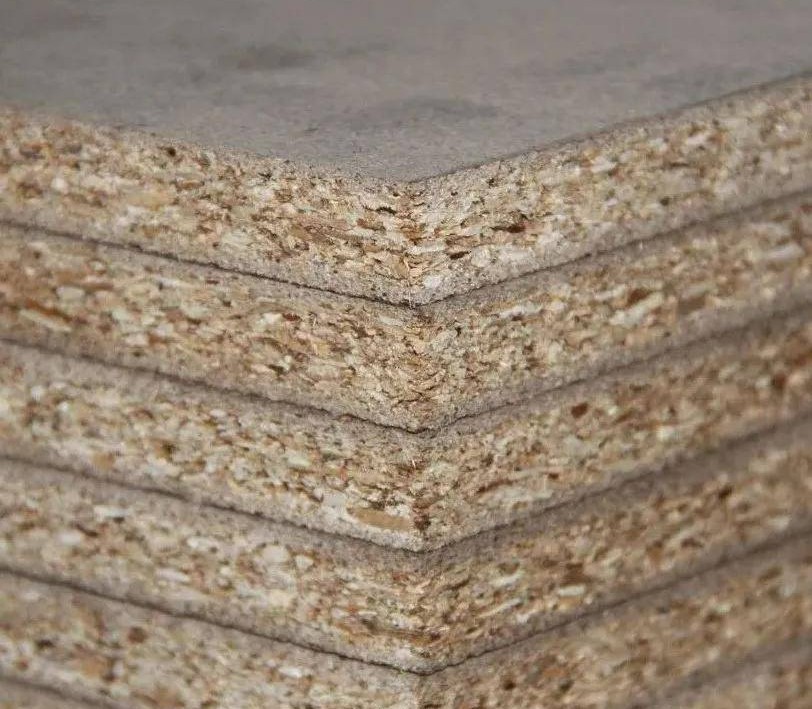
For a 1220 x 2440 x 18 mm sheet, particleboard sheets per cubic meter is about 18.66. That is a theoretical conversion, not a pack of 18.66 sheets. An actual order still uses whole sheets. The calculation is useful when one supplier quotes per cubic meter and another quotes per sheet.
A cubic meter, often written m3, is a unit of volume. It is not a weight. To compare offers fairly, confirm the same board size, thickness and surface before converting either price.
Calculate Particleboard Sheets per Cubic Meter
Start with the finished dimensions of the particleboard sheets in meters. Multiply length by width by thickness. That gives the volume of one sheet. Then divide one cubic meter by that result.
Example: 1.22 x 2.44 x 0.018 = 0.0535824 m3 per sheet. Next, 1 divided by 0.0535824 = about 18.66 sheets per m3. Keep the full figure in the spreadsheet and round only the displayed result.
| Assumed sheet size | Volume per sheet | Theoretical sheets per m3 |
|---|---|---|
| 1220 x 2440 x 18 mm | 0.0535824 m3 | About 18.66 |
| 1220 x 2440 x 16 mm | 0.0476288 m3 | About 21.00 |
These examples use exact assumed dimensions. They are not a claim about every supplied sheet. Eighteen whole sheets of the 18 mm example equal about 0.96448 m3. Do not call that exactly one cubic meter or change the order count without agreement.
Check Which Thickness the Quotation Uses
The European Panel Federation overview explains particleboard as a wood-based panel material. In a purchase, the raw substrate and the finished faced product need clear identification. A melamine-faced quote should say which dimensions form its volume basis.
Ask whether 18 mm means nominal thickness, measured finished thickness or the substrate before facing. Our particleboard thickness-tolerance guide explains why that distinction also matters when cabinet parts must fit.
Do not add an assumed facing thickness yourself. Ask the supplier how the quoted volume is calculated. Record that basis alongside the required finished thickness and tolerance.
Convert Price Without Changing the Product
Multiply price per m3 by volume per sheet. For an arithmetic example only, $300 per m3 x 0.0535824 m3 gives about $16.07 per sheet. The $300 input is not a market price or a Momentimber offer.
After converting, compare the same substrate, surface, grade and packing. The particleboard quotation guide helps with that second step. A neat unit conversion cannot make different specifications equivalent.
Keep Panel Volume Separate from Shipping Volume
For the 18 mm example, 600 sheets contain 32.14944 m3 of calculated panel volume. That excludes pallets, protective boards and other packing. It does not establish whether the load fits a container or meets its weight limit.
Use this short check before confirming the order: same dimensions, same volume basis, whole-sheet count, packing details and a separate logistics check. Keep each item visible in the quote instead of hiding it inside a rounded total.
Momentimber can help match the board requirement and quotation units. Our company introduction explains the supplier-service role. Send the original quotation basis when asking for a comparison; it often resolves the confusion faster than another price request.
Frequently Asked Questions
Related Reading
Sanded OSB for Furniture Still Needs a Finish Plan
OSB material reference only; sanding quality and the final finish need separate approval. Sanded OSB…
Plywood vs OSB for Crates Is More Than a Price Choice
Protected panel bundles are a supply-stage reference, not an approved design for a shipping crate….
Blockboard vs Finger Joint Board for Furniture Buyers
A visible timber-strip core does not make the finished panel the same as an exposed…
Synchronized Melamine Board Goes Beyond the Print
Woodgrain design reference only. A flat image cannot demonstrate EIR texture or alignment. Synchronized melamine…
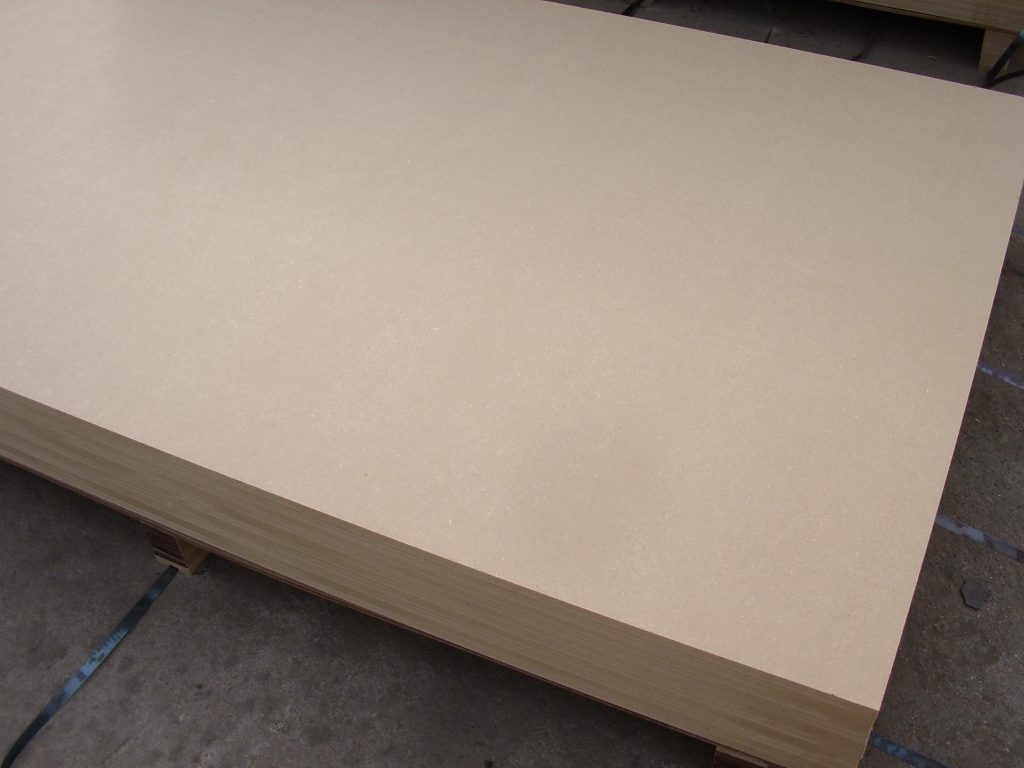
Lightweight MDF vs Standard MDF for Furniture Parts
Panel appearance alone does not identify a lightweight MDF grade. Lightweight MDF can make a…
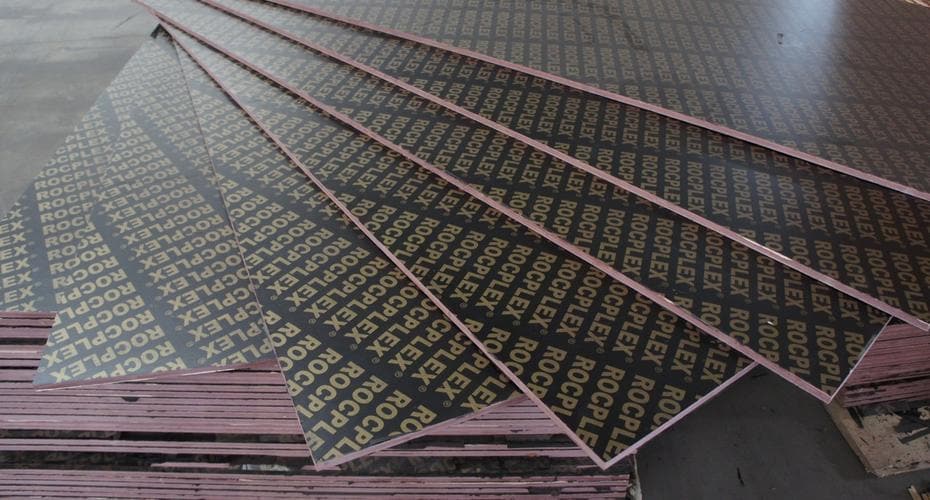
Film Faced Plywood Edge Sealing After Cutting
Film faced plywood edge sealing needs to follow the cutting and drilling plan. Factory edge…
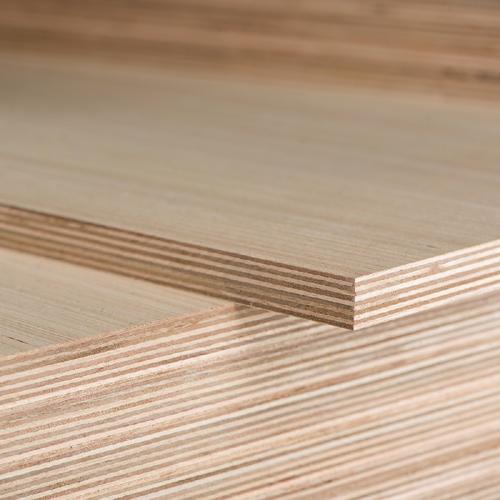
Plywood for Melamine Facing Needs More Than Sanding
Plywood for melamine facing needs more than a smooth touch. Sanding can prepare a face,…
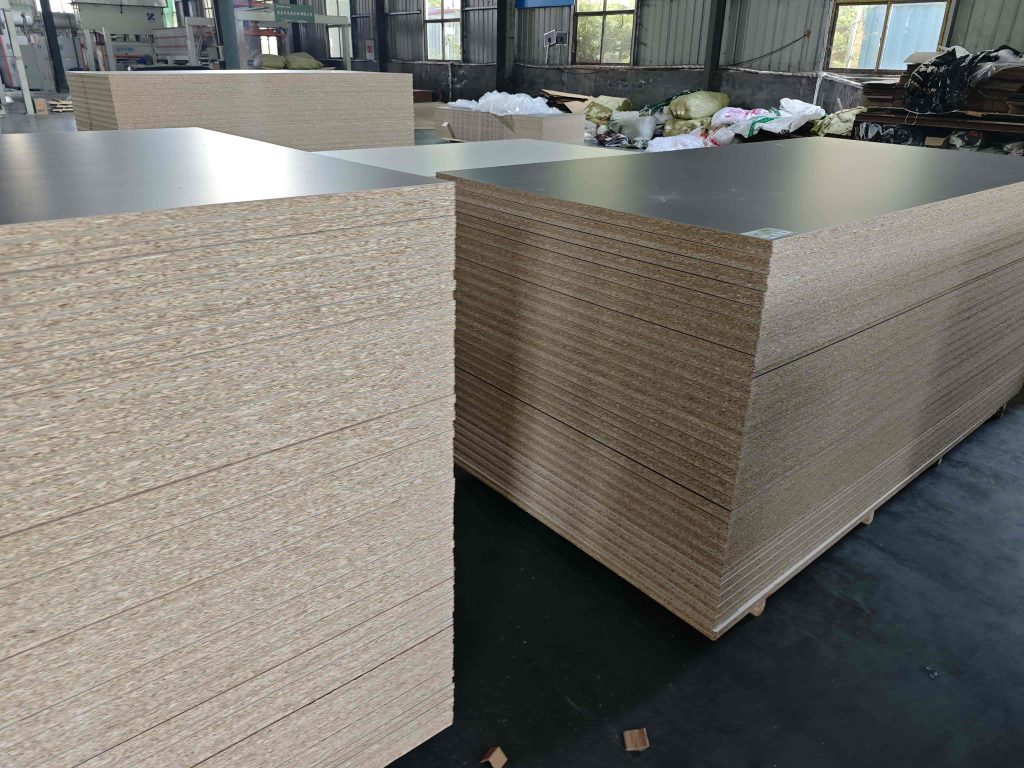
Cleaning Melamine Board Without Damaging the Finish
Cleaning melamine board should start with the supplied care instructions and a gentle method, not…
How to Compare Particle Board Prices and Specifications
Make sure two converted prices still describe comparable products.
Particleboard Thickness Tolerance and Cabinet Fit
Understand why actual finished thickness belongs in the order record.
Raw Particleboard vs Melamine Faced Chipboard
Separate an unfinished substrate from the complete faced product being quoted.
Send the sheet size, thickness, raw or melamine-faced finish and required quantity. We can help put the quotation on a clear per-sheet and cubic-meter basis.