

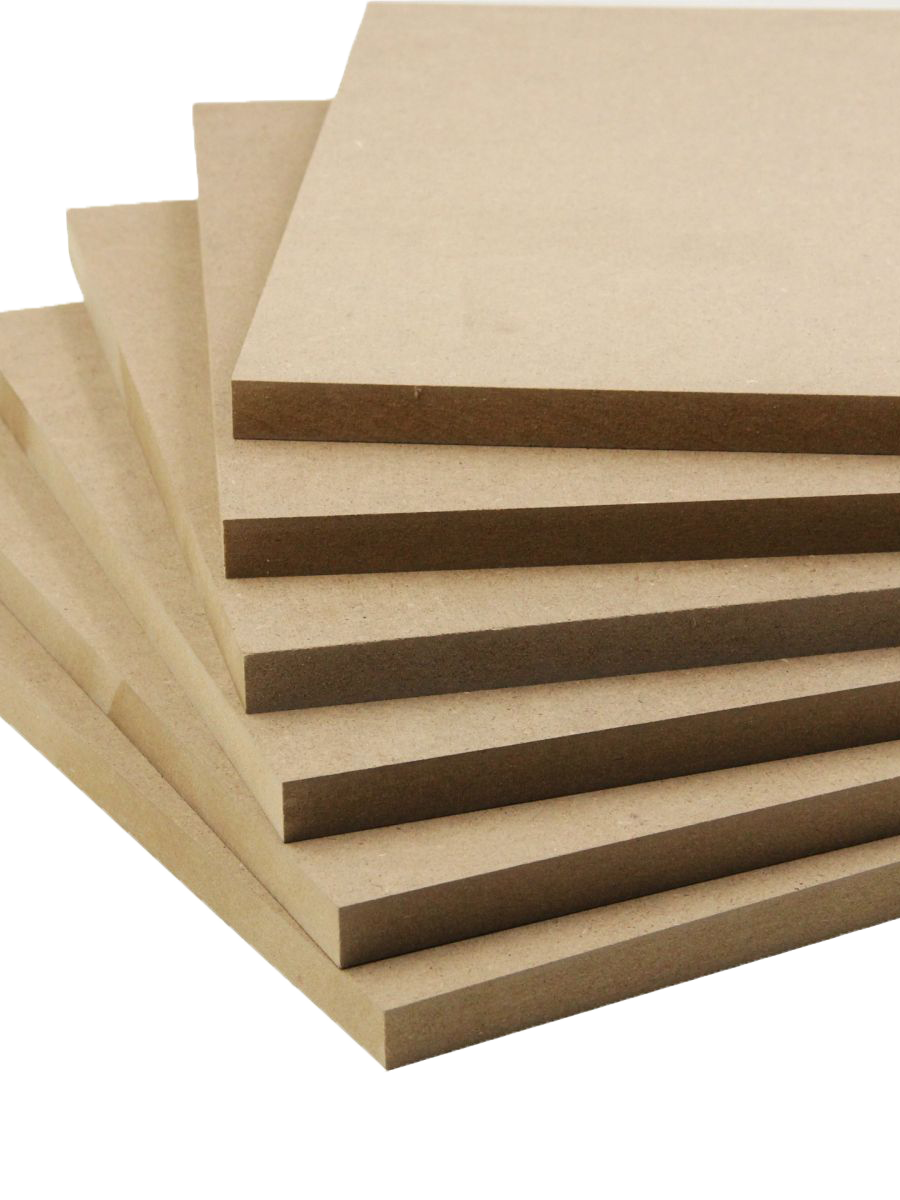
Imagine approving an MDF sample because its face feels hard and its weight matches the last order. The workshop then cuts a deep groove and dislikes the exposed material. The MDF density profile is the distribution of density through the thickness, from one face to the other. It explains why the outside and the middle need not behave alike. A hard face is useful information, but it does not approve the whole panel.
For an importer, this is a purchasing question rather than an invitation to buy inspection equipment. You need to identify the product being offered, connect it to the furniture part and compare the right evidence. Rejecting a board on face feel alone is as unreliable as accepting one that way.
Key takeaways
- Average density and density distribution answer different questions.
- A clean decorative face cannot establish core density or internal bond.
- Approve the actual machining and fixing detail before repeating the order.
What the MDF Density Profile Adds to the Quote
A quote for MDF board may give thickness, density and a surface description. Density is usually presented as one number. Ask whether it is a declared average, a target or a measured result for identified material. None of those automatically shows what happens below the face.
The European Panel Federation manufacturing overview distinguishes average, face and core density in its description of MDF. The buying lesson is the distinction, not a universal set of numbers. Products vary, and an illustrative industry description is not the specification of the shipment on your quotation.
The profile is sometimes called a vertical density profile, or VDP. Here, vertical means through the panel thickness, not the direction in which a door is installed. A density curve plots that variation by depth. Its shape can carry information that disappears when all material is reduced to one average.
| Information offered | What it can help with | What it cannot establish alone |
|---|---|---|
| Average panel density | Comparing mass and volume on an agreed basis. | The density at a groove, face or core depth. |
| Density profile | Understanding the distribution through thickness. | Every bond property or the performance of a finished cabinet. |
| Smooth or hard-feeling face | A first observation of the surface condition. | Core quality or a certified mechanical value. |
| Representative component trial | Checking the agreed machining or fitting in context. | A laboratory profile or proof of every sheet in the order. |
Why Pressing Can Change the Inside Without Changing the Name
MDF is formed from prepared wood fibres and binder, then consolidated in a hot press. The face and middle do not experience the same heating and moisture history at the same moment. The distribution that results is a production outcome, not simply the timber species written in a sales message.
A USDA study of MDF pressing and density profiles investigated panel density, fibre moisture and pressing schedules. It found that press closing schedules strongly affected consolidation and the resulting profile. This supports asking about the offered product and its controls. It does not let a buyer diagnose a commercial batch from a photograph or copy a laboratory press schedule into a contract.
A producer may make MDF ranges for different end uses. Two offers carrying the same nominal thickness and a similar average density can therefore still deserve different approvals. Ask the supplier to identify the product range and intended application, particularly when a cheaper alternative is proposed after sampling.
Keep this discussion separate from the claim that every visibly softer core is defective. Density distribution is one variable. Fibre preparation, bonding, moisture, thickness and tool conditions also influence the result. The correct question is whether the identified panel meets the agreed application and product requirements, not whether its cut edge looks exactly like the face.
Where a Buyer Actually Notices the Difference
A surface-only sample may conceal the area a workshop will expose. A deep decorative groove, a rebated edge or a hinge recess brings the operation into another part of the thickness. That makes the real component drawing more informative than a generic request for hard MDF.
For a routed door, use the MDF routing-quality guide to define the profile, tool condition and finishing expectations. Compare an approved reference and proposed board on the same setup. If a groove looks rough, investigate the process as well as the board before assigning the cause to core density.
Likewise, an edge fixing and a face fixing are different details. The selected screw, pilot hole, insertion depth and component geometry all matter. A simple hand impression at the surface cannot approve that joint. Neither can one successful fixing prove a whole shipment is suitable for every hinge or connector.
Keep density and internal bond separate
Internal bond describes resistance to separation within a panel under a defined test. It is not another name for density. A density figure does not certify the bonding, and a broken offcut is not a standardized internal-bond result. If the order needs a stated property, ask for the relevant product document, method and applicable material identity.
A Practical Approval Without a Density Scanner
A small distributor usually needs a repeatable comparison rather than a scan. Start with an identified reference sheet and a proposed sheet at the same finished thickness and surface condition. Label both. Record the component cut, machine, tooling and sequence so the workshop can repeat the exercise on delivery.
For a machined component, photograph the whole part and then the relevant groove or edge. If appearance after finishing matters, compare the same preparation and coating system too. Keep an unaltered piece from each board. These actions create usable evidence without pretending to measure a density profile.
- Confirm the supplier product reference and the raw or faced condition.
- Select the machining or fixing detail that actually matters to the sale.
- Compare reference and proposed boards under the same recorded setup.
- Keep results and sample identities with the order approval.
If the result differs, change one variable at a time during the investigation. A fresh tool can help check a tooling concern; a second identified sheet can help check repeatability. Ask the supplier what additional evidence is useful before destroying all disputed material. Expensive testing belongs later if ordinary records cannot resolve an important question.
What Changes When the MDF Has a Melamine Face?
In melamine-faced board, the resin-impregnated paper forms the decorative surface. MDF remains the substrate. Approving colour, gloss and texture does not approve its internal properties. Keep the surface reference and the MDF product reference in the same record, but do not treat them as one specification.
A trial should use the actual faced construction if that is what will be supplied. A raw MDF sample from another range cannot settle the machining behaviour of the finished order. Confirm the treatment on both sides and the finished thickness. Keep the face free from damage while inspecting cuts that expose the substrate.
Avoid claiming that a stronger surface cures a weak or unsuitable internal structure. Equally, avoid blaming the MDF profile for a decorative paper problem. A lifted face, a rough routed groove and an edge fixing failure may need separate investigations. Describe the symptom accurately before asking the supplier for a remedy.
Make the Repeat Order Traceable
The MDF cabinet specification checklist helps turn the discussion into an enquiry. Include the intended part, dimensions, finished thickness and tolerance, surface, substrate identification and any required performance evidence. Attach the approved machining or fixing reference rather than writing only same density as before.
When a substitute is proposed, ask what changes in the declared product and why it should suit the same use. Request approval before production. A supplier may have a workable alternative, but a matching average density is not enough to bypass the comparison. That is where an inexpensive trial can prevent a costly argument after furniture production starts.
Momentimber can coordinate substrate matching, sample review and production follow-up across raw and melamine-faced MDF options. Our company introduction explains the supplier-service role. The aim is an agreed component result with clear evidence, not a more impressive number on a sales sheet.
Frequently Asked Questions
Related Reading
Sanded OSB for Furniture Still Needs a Finish Plan
OSB material reference only; sanding quality and the final finish need separate approval. Sanded OSB…
Plywood vs OSB for Crates Is More Than a Price Choice
Protected panel bundles are a supply-stage reference, not an approved design for a shipping crate….
Blockboard vs Finger Joint Board for Furniture Buyers
A visible timber-strip core does not make the finished panel the same as an exposed…

Synchronized Melamine Board Goes Beyond the Print
Woodgrain design reference only. A flat image cannot demonstrate EIR texture or alignment. Synchronized melamine…
Lightweight MDF vs Standard MDF for Furniture Parts
Panel appearance alone does not identify a lightweight MDF grade. Lightweight MDF can make a…
Film Faced Plywood Edge Sealing After Cutting
Film faced plywood edge sealing needs to follow the cutting and drilling plan. Factory edge…
Plywood for Melamine Facing Needs More Than Sanding
Plywood for melamine facing needs more than a smooth touch. Sanding can prepare a face,…
Cleaning Melamine Board Without Damaging the Finish
Cleaning melamine board should start with the supplied care instructions and a gentle method, not…
Why Two 18mm MDF Sheets Can Weigh So Differently
Separate average density and sheet mass from the distribution within the board.
MDF Routing Quality for Cabinet Doors
Build a repeatable machining approval around the actual groove and finish.
MDF Screw Holding and Hinge Failure
Check the fitting and pilot-hole detail instead of relying on surface feel.
Send the MDF thickness, surface requirement, component drawing and intended machining or fixing detail. We can help turn the application into a practical substrate enquiry.