

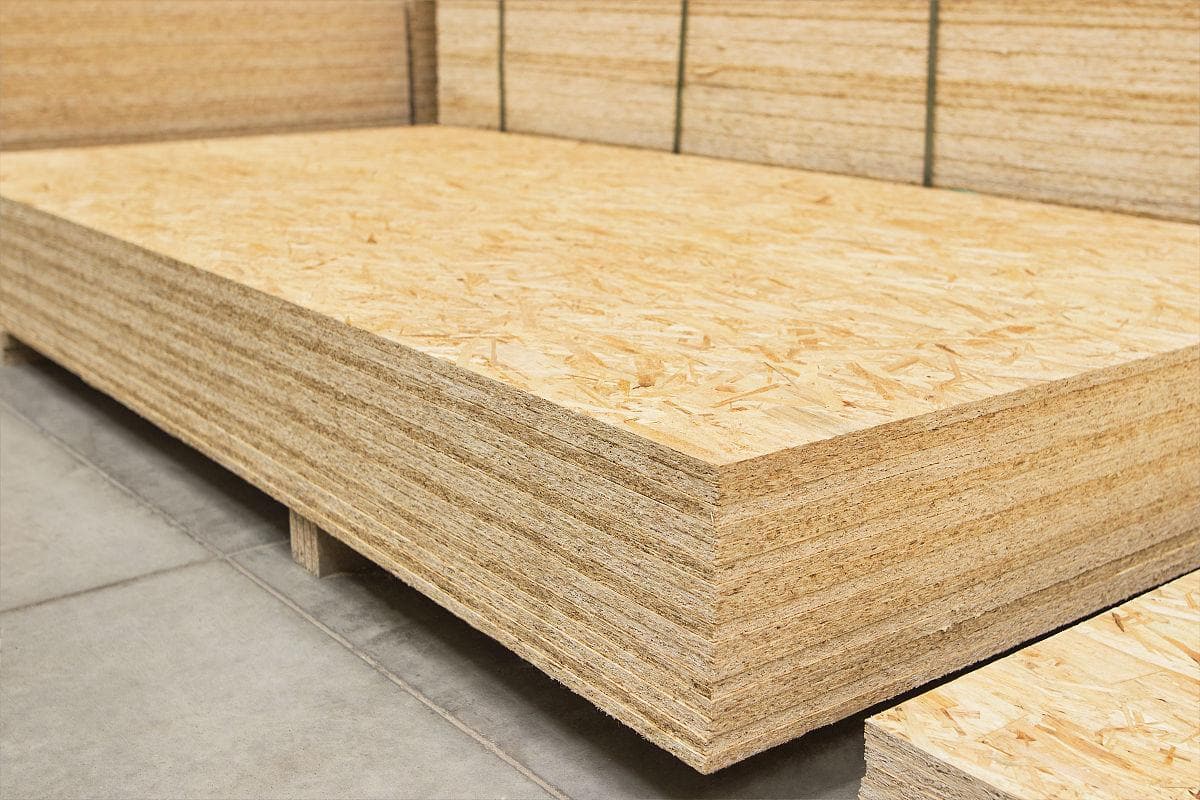
Sanded OSB can be a useful starting board for visible furniture, but it is not a completed decorative finish. OSB means oriented strand board: a panel made from bonded wood strands arranged in layers. Sanding changes the supplied surface; it does not remove the strand construction or decide how the finished component should look.
Suppose one quotation includes a factory-sanded panel and another leaves surface preparation to your workshop. The sheet prices do not describe the same work. Therefore, choose the intended finish first, then compare the board and processing needed to reach it. Otherwise, an inexpensive panel can become an unexpectedly costly furniture part.
Key takeaways
Sanding, surface appearance and coating performance are separate decisions.
A clear finish can reveal the strand pattern; opaque colour does not automatically hide surface relief.
Compare the complete finishing route before treating two OSB quotations as equivalent.
What Sanded OSB Changes and What It Keeps
An OSB panel contains relatively large wood strands rather than the fine fibres used in MDF. Those strands form the material, not a printed pattern on top. As a result, their colour and outline can remain part of the appearance after surface machining.
The European Panel Federation OSB overview explains that sanding can improve surface smoothness while retaining the characteristic strand appearance. That distinction matters for furniture: a more even starting face and a visually uniform face are not the same purchase.
Also distinguish a factory-sanded product from an offer described only as smooth. The latter may simply describe how the pressed surface looks or feels. Identify which faces receive preparation and what delivered thickness the quotation covers. Do not assume that sanding is an extra operation included in every OSB order.
Choose Whether the Strands Should Show
A clear or translucent finish makes sense when the strand pattern belongs in the design. For example, a display unit or shop-fitting side may intentionally show the material. In that case, compare the finished sample for colour variation, touch and edge appearance rather than expecting the face to resemble plain painted fibreboard.
An opaque coating creates a different task. It may cover colour variation while leaving the strand relief visible. However, a buyer asking for a level, plain finish may expect both features to disappear. State that expectation early because it changes the preparation and the suitability of the starting panel.
A separate facing or covering system offers another route, but it is not equivalent to applying paint. It introduces its own bonding, surface and balance requirements. Therefore, do not order a bare sanded sheet as though it were already an approved faced product.
| Intended result | Useful buying focus | What sanding alone does not provide |
|---|---|---|
| Visible strand character | Finished sample with the selected clear or translucent system | A uniform timber grain or identical colour |
| Opaque colour with texture | Agreed colour and acceptable surface relief | A completely level furniture face |
| Plain smooth appearance | Complete preparation route or suitable alternative substrate | Automatic removal of the strand structure |
| Covered or faced component | Compatible substrate and balanced facing arrangement | Approval of every adhesive or surface system |
Treat Surface Preparation as Part of the Finish
The PanelGuide discussion of OSB finishing distinguishes coatings from laminate and foil routes. It also highlights how finishes and moisture can affect the surface and panel balance. The practical point is to approve the complete system, not to select a coating by colour alone.
The workshop should review preparation, dust removal, application and curing with the chosen finishing supplier. These steps belong in the process even when the board arrives sanded. However, there is no single grit sequence, filler or drying period that can be prescribed for every OSB and finish combination.
Use a representative panel area rather than only a very small corner. It should show the variation that will remain visible on a finished part. Also include the edge and any handled corner. A face that looks acceptable from a distance may still feel unsuitable where a customer touches it.
The reverse face deserves attention too. A finish on one side can create a different moisture response from the other side. For that reason, plan the complete component with the panel and finish suppliers, including any balancing treatment that the selected system needs.
Select the Component Before Comparing Substrates
Visible OSB can work as a deliberate design material in dry interior furniture and fit-out applications. However, the project must accept its strand character and the specified edge detail. A decorative choice does not by itself approve shelving loads, hardware positions or building requirements for a particular installation.
If a cabinet program requires a plain smooth painted face, a suitable MDF substrate may offer a different preparation route. MDF uses a fine-fibre structure rather than large strands. Compare the actual finished component, including its weight and fixing needs, instead of asking additional sanding to make the two materials identical.
Moisture exposure remains a separate selection question. The article on OSB edges and moisture explains why an attractive face does not settle the condition of a cut edge. In particular, a decorative coating is not permission to ignore the intended service environment.
Price the Board and the Remaining Workshop Work
Start with the delivered board cost, then add the preparation and finish needed for an acceptable component. Include rejected appearance, handling and rework where they genuinely differ between the offers. As a result, the cheapest raw sheet and the cheapest completed furniture part may be different choices.
For example, a distributor may stock bare sanded panels for workshops that apply several finishes. Another buyer may need one repeatable finished surface for a cabinet range. These are different stock programs. The first needs a clear description of the supplied state; the second needs a repeatable final appearance and processing route.
Do not compare a raw offcut from one supplier with a coated sample from another. Instead, compare like-for-like stages and retain both the panel reference and the final appearance sample. This makes later differences easier to discuss without confusing the board delivery with the workshop finish.
Give Each Business a Clear Handover
Importers should connect the panel description to the intended downstream finish. Distributors should label raw, prepared and finished stock separately. Meanwhile, the furniture workshop needs to know what preparation remains and which sample represents the final appearance.
The About Momentimber page describes specification matching and production coordination. Start that discussion with the component and the appearance you want. A clear finishing route makes the OSB enquiry more useful than a request for an undefined furniture grade.
Frequently Asked Questions
Related Reading
Plywood vs OSB for Crates Is More Than a Price Choice
Protected panel bundles are a supply-stage reference, not an approved design for a shipping crate….
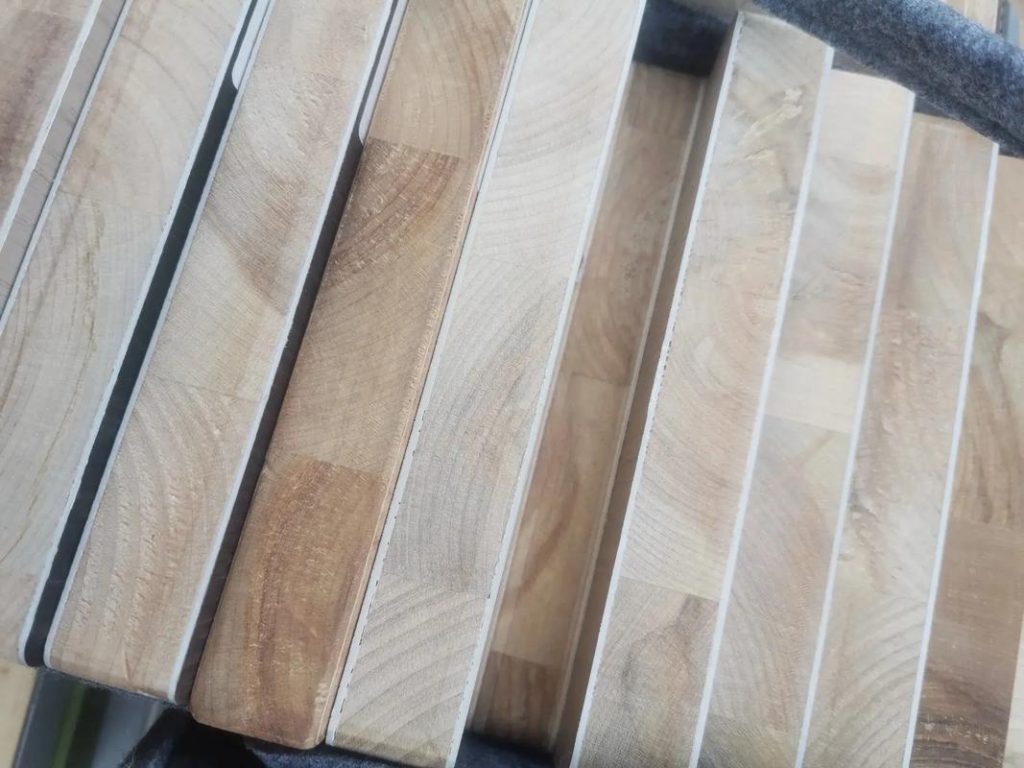
Blockboard vs Finger Joint Board for Furniture Buyers
A visible timber-strip core does not make the finished panel the same as an exposed…
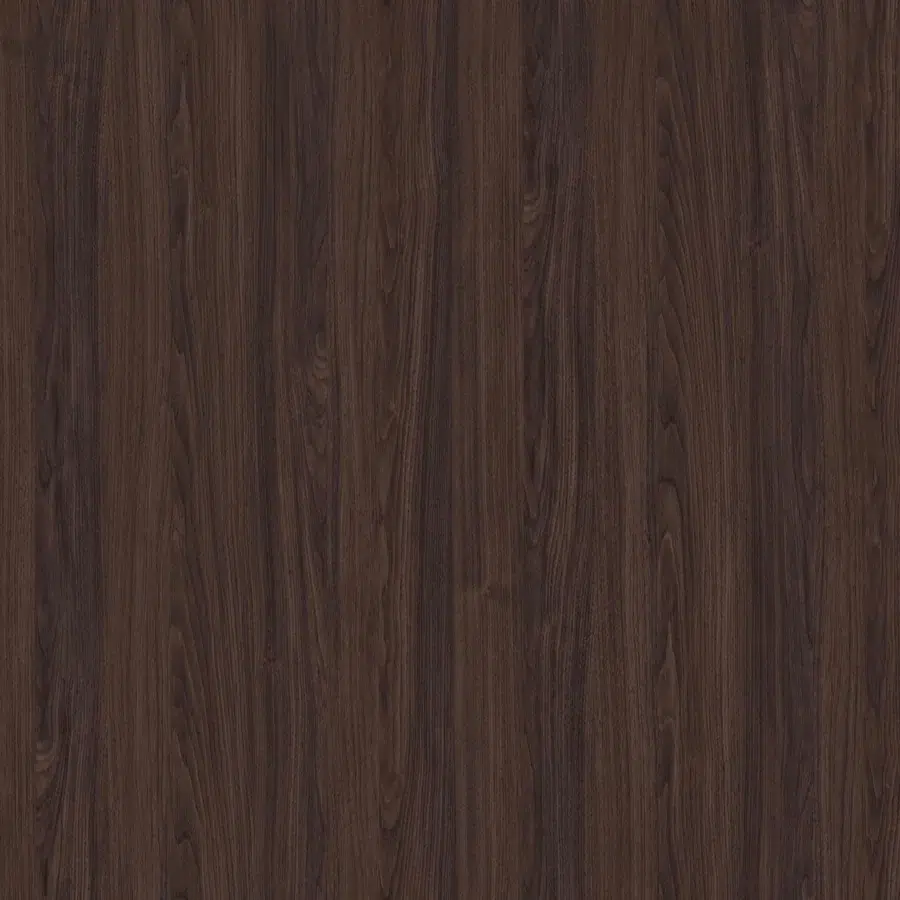
Synchronized Melamine Board Goes Beyond the Print
Woodgrain design reference only. A flat image cannot demonstrate EIR texture or alignment. Synchronized melamine…
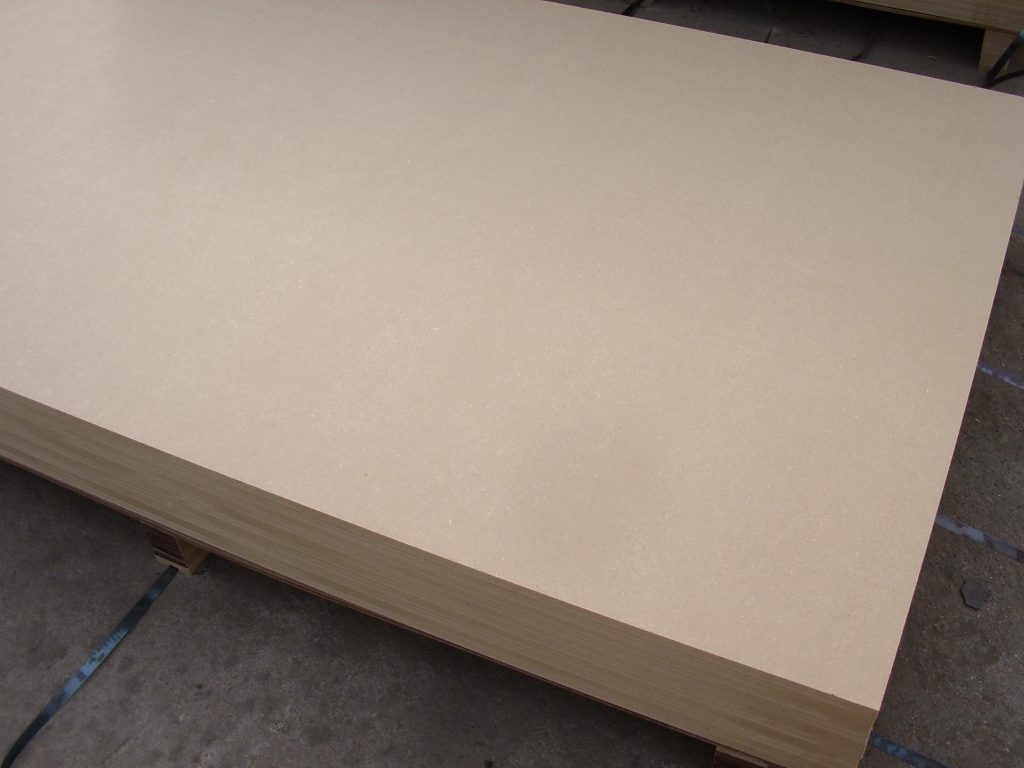
Lightweight MDF vs Standard MDF for Furniture Parts
Panel appearance alone does not identify a lightweight MDF grade. Lightweight MDF can make a…
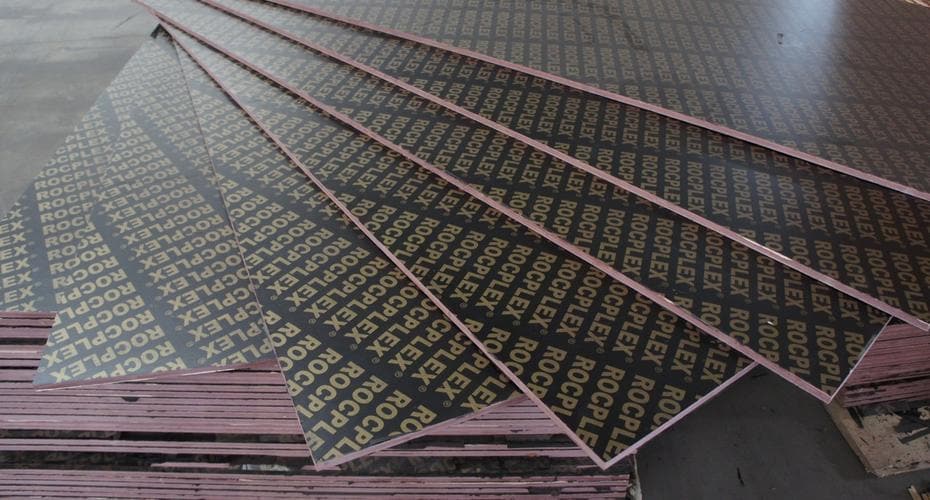
Film Faced Plywood Edge Sealing After Cutting
Film faced plywood edge sealing needs to follow the cutting and drilling plan. Factory edge…
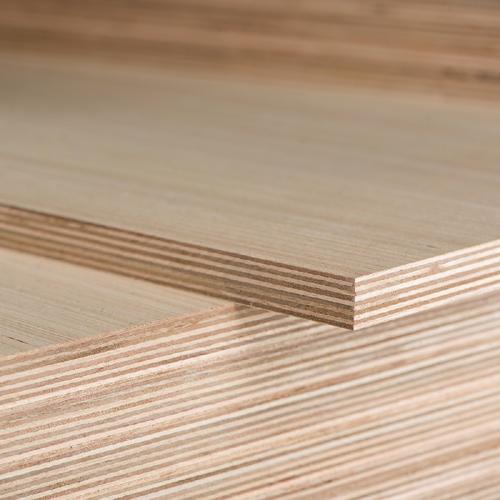
Plywood for Melamine Facing Needs More Than Sanding
Plywood for melamine facing needs more than a smooth touch. Sanding can prepare a face,…
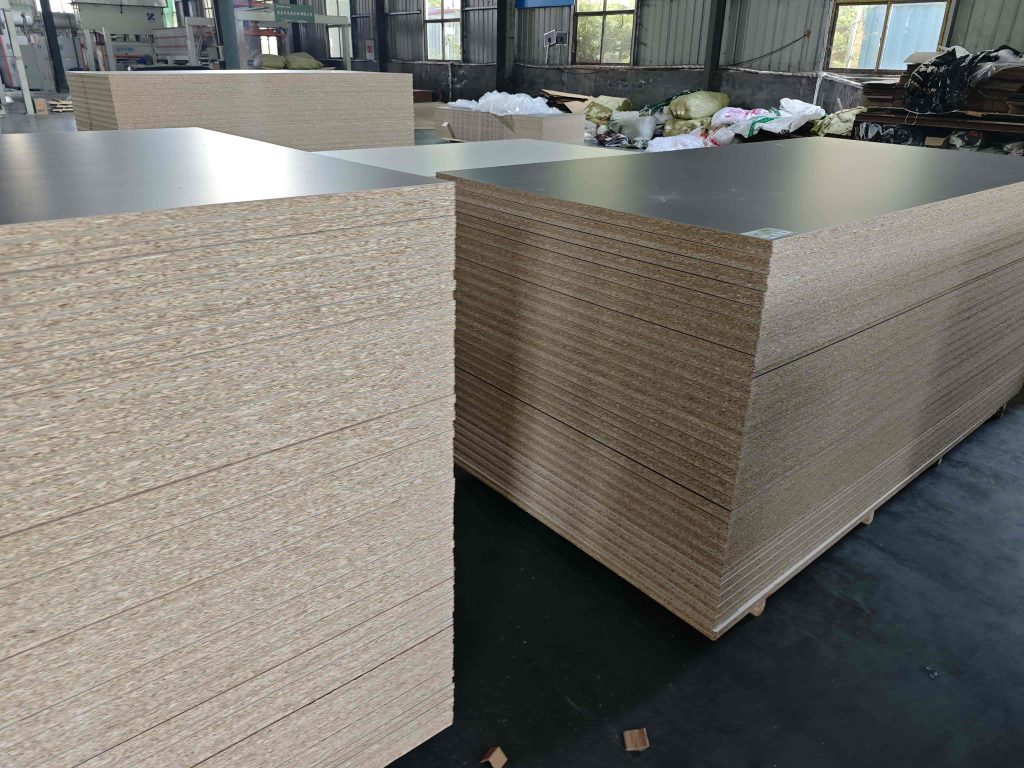
Cleaning Melamine Board Without Damaging the Finish
Cleaning melamine board should start with the supplied care instructions and a gentle method, not…
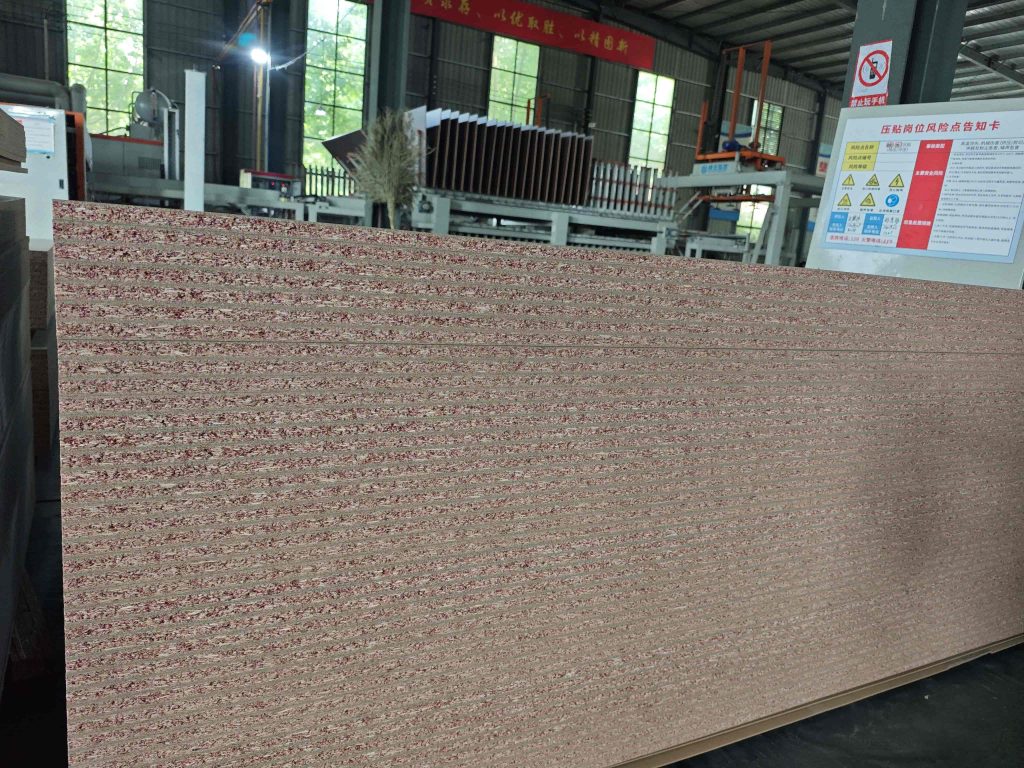
Particleboard Worktops vs Ordinary Cabinet Board
Particleboard worktops can have a chipboard core without being the same product as an ordinary…
How OSB Strands Form the Panel
Understand the material structure behind its visible strand pattern.
Why OSB Mills Produce Different Results
Separate the offered panel specification from the generic grade label.
Moisture and OSB Edges
Review moisture exposure separately from the intended decorative finish.
Planning OSB for a furniture or interior component? Send the drawing, supplied surface requirement, intended finish and edge appearance. Momentimber can discuss panel specification matching and sample coordination; confirm any specialist coating or facing operation separately.