

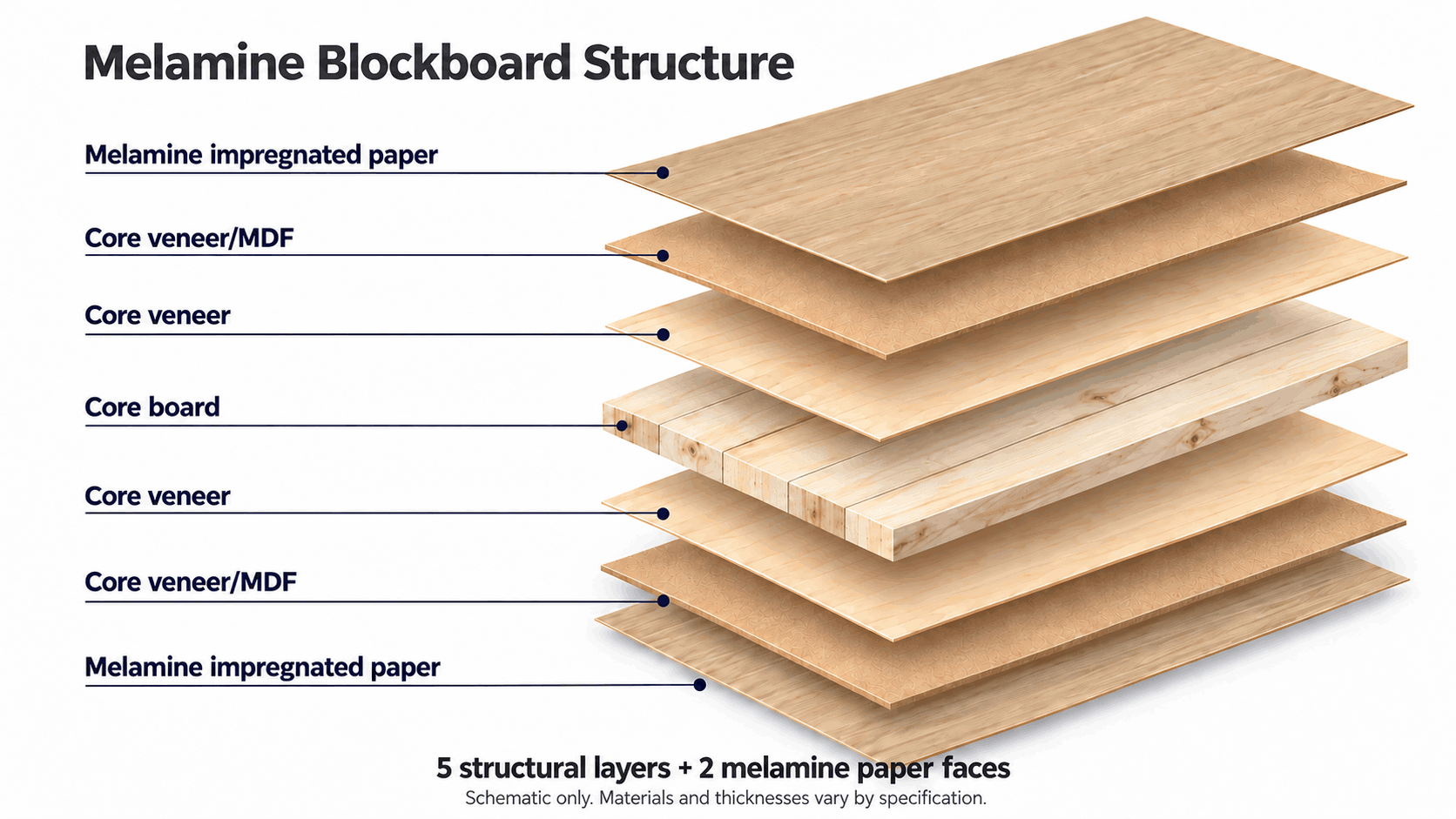
Blockboard layers become much easier to compare once you separate three things: the timber-strip centre, the materials supporting its faces, and the decorative surface. A five-layer description does not mean five identical sheets. Nor does a three-layer description necessarily count every thin veneer inside a pre-made carrier.
This distinction matters when two offers name the same thickness and colour but contain different constructions. A furniture maker may see the difference only after cutting the sheet. This guide follows the panel from its raw core strips to its finished face, then explains which differences matter in an import or distribution programme.
Start with the Strips and the Bare Slab
A timber strip is an individual piece of wood. Placing strips side by side creates the central slab used in Blockboard construction. At that stage, the broad surface can still show individual strip joints. It is not the same product state as a completed substrate with supporting layers already bonded to both sides.
The FAO definition of core plywood or blockboard identifies a centre made from narrow wood pieces placed side by side. That broad definition helps identify the family. It does not specify the finished furniture grade or tell a buyer how a particular producer counts the supporting layers.
Keep the terms raw strip, assembled strip slab and completed base board separate. A factory buying a strip slab still has structural assembly work ahead. A workshop buying a prepared base board expects a different starting point. Using the same word core for all three can hide that difference in the quotation.
Which Timber Materials Can Form the Centre
Market constructions include poplar, spruce or fir, pine and albasia strip cores. These are examples from identified producer ranges, not a statement that every mill offers all of them. The wood used for the strips may also differ from the wood used for the supporting veneer. A poplar support layer does not prove a poplar centre.
Species names provide useful material information, but they do not create a reliable best-to-worst ranking for the finished board. Timber condition, strip preparation, assembly and the other layers still matter. Two constructions with the same strip species can therefore serve different component requirements.
Describe the form of the material as well as its name. An enquiry may distinguish continuous strips from pieces joined along their length, or a declared single-species centre from a mixed construction. Neither a short visible edge nor the decorative colour identifies every piece in the panel. Keep the agreed description proportionate to the actual product.
Supporting Layers Connect the Slab to the Face
A supporting layer sits between the strip slab and the final surface. It provides a more continuous facing base across the strip assembly. Its purpose can include improving surface regularity and hardness. The result still depends on the selected material and the complete manufacturing process; the layer name alone does not guarantee either property.
The Timber Veneer Association substrate guide describes one Blockboard arrangement with two wood-veneer layers on each side of a strip slab. Other market arrangements use different supports. Treat that example as a construction description, not a rule that every product must contain the same number or species of veneers.
Wood Veneer Is a Material Not One Fixed Position
A rotary-cut veneer is a wood sheet peeled from a log. In this discussion, core veneer describes a relatively substantial wood sheet used within the supporting construction. It is not the thin decorative real-wood face sold for its natural figure. Always identify where the sheet sits, because the word core can otherwise suggest the central strip slab.
Poplar and eucalyptus support veneers occur in the manufacturing arrangements discussed with us. The choice of species and thickness belongs to the required panel construction. Do not assume that a change in support species also changes the strip species. Likewise, do not assign a universal grain direction from the term core veneer alone.
The Prepared Poplar Carrier Has Its Own Construction
One carrier used in the producer route described here starts with a thicker rotary-cut poplar veneer. Very thin poplar veneer covers both faces of that sheet, using adhesive and hot pressing. This is a wood-veneer-based carrier, not MDF or HDF. Its local name, erliban, does not by itself establish an exact finished thickness.
The producer reports a harder, more consolidated carrier than the original thick veneer after this operation. That experience describes this product and process, not a measured universal increase. Most importantly, the carrier contains its own internal veneers. Those internal veneers do not automatically become extra layers in a separate assembly-level count.
Fibreboard and Mixed Supports Are Different Options
MDF supporting sheets contain consolidated wood fibres rather than one peeled wood sheet. Market products also include hardboard-faced and other fibreboard-assisted variants. HDF is a fibreboard description, not another name for the confirmed poplar carrier. Establish the actual fibreboard product when that option enters a specification.
A mixed arrangement may combine wood veneer with a fibreboard layer. This changes the material stack even when the finished thickness stays the same. It deserves its own description rather than a silent substitution under the old layer count. Availability and suitability require order-specific confirmation; listing a market construction is not a promise of current stock.
How to Read Three and Five Blockboard Layers
Under the producer convention used here, a three-layer assembly means carrier, strip slab, carrier. A five-layer assembly means two supporting layers, strip slab, two supporting layers. The central slab counts once at this level. Decorative paper sits outside this structural count.
| Assembly description | From front towards back | What the count leaves separate |
|---|---|---|
| Three-layer example | Carrier / timber-strip slab / carrier | Internal veneers within a prepared carrier; decorative paper |
| Five-layer example | Core veneer / core veneer / strip slab / core veneer / core veneer | Individual species and thicknesses; decorative paper |
| Mixed-support option | Declared wood and fibreboard supports around a strip slab | Exact material sequence and counting convention |
The five-layer row is a generic arrangement, not a fixed production recipe. Materials and thicknesses depend on the required product. A supplier who counts every thin veneer may describe an apparently similar section with a different number. Resolve that by naming the counted units. Do not decide quality from the larger number.
A simple section sketch makes blockboard layers easier to identify. Put brackets around each prepared carrier and one bracket around the strip slab. Add a separate label for the decorative face. This lets the importer and downstream workshop distinguish the assembled units from adhesive lines inside them.
Where the Melamine Surface Enters the Process
The melamine decorative surface consists of resin-impregnated paper applied through the specified pressing route. It supplies the agreed appearance and surface finish. It does not replace the supporting material beneath it or turn a strip joint into a continuous wood sheet.
In the producer route confirmed for this article, the paper first goes onto the carrier or selected supporting veneer. The faced assembly then bonds to the strip slab. This two-stage route differs from assuming that every producer presses paper directly onto an already completed Blockboard substrate. Describe the route used for the actual order.
For preliminary thickness planning, add the central slab and all supporting layers. The paper contribution is small enough to neglect in an initial nominal budget, but it is not physically zero. The finished pressed and processed panel must still meet the agreed thickness. No universal compression or sanding allowance follows from the layer count.
Choose the Construction for a Component
For a flat decorative furniture panel, the support beneath the face matters because the customer sees a broad surface. For a door or long component, the core layout and component design also deserve attention. An added facing layer does not remove the need to consider the timber centre. Our Blockboard core-direction guide develops that question.
A raw base board for further finishing and a ready melamine-faced sheet also serve different workshops. The first buyer still needs a compatible finishing route. The second needs the supplied face, reverse and exposed edges to suit later cutting and assembly. Neither supply state should be priced as though it includes the other operations.
Adding supporting material can change the share of the finished thickness occupied by the timber slab. At a fixed overall thickness, more material near the faces does not appear without a corresponding construction choice elsewhere. Compare the whole section and the intended part rather than assuming that more layers simply add benefits without trade-offs.
What Each Buyer Needs from the Description
An importer needs a repeatable product identity: strip material, support construction, supplied surface and finished dimensions. A distributor needs to keep materially different constructions separate in the stock description. This prevents two visually similar sheets from becoming interchangeable merely because both carry the same colour code.
The downstream workshop needs to know what its cutting, edging or assembly operation will encounter. Give it the relevant section and component requirement, not only the decorative sample. A useful sample set therefore includes both the approved face and an identifiable edge section of the agreed construction.
Momentimber can help coordinate these descriptions between the panel source and the buyer. Identify the blockboard layers alongside the intended component, so the construction stays repeatable. This does not replace the customer’s design with an unsupported claim that one species or layer count is always superior.
Frequently Asked Questions
Related Reading
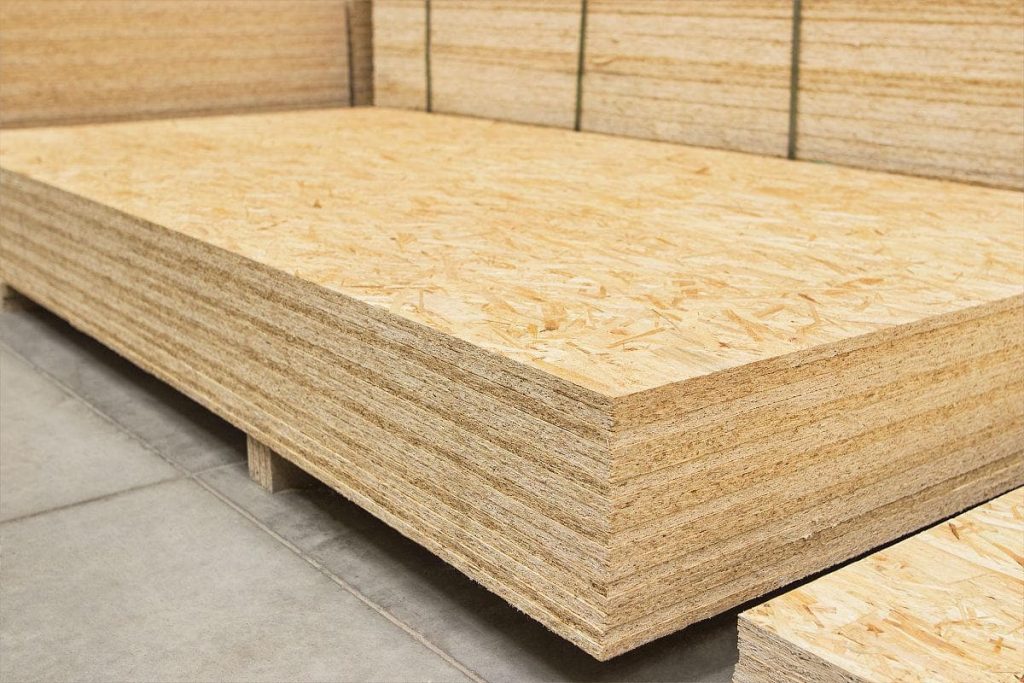
Sanded OSB for Furniture Still Needs a Finish Plan
OSB material reference only; sanding quality and the final finish need separate approval. Sanded OSB…
Plywood vs OSB for Crates Is More Than a Price Choice
Protected panel bundles are a supply-stage reference, not an approved design for a shipping crate….
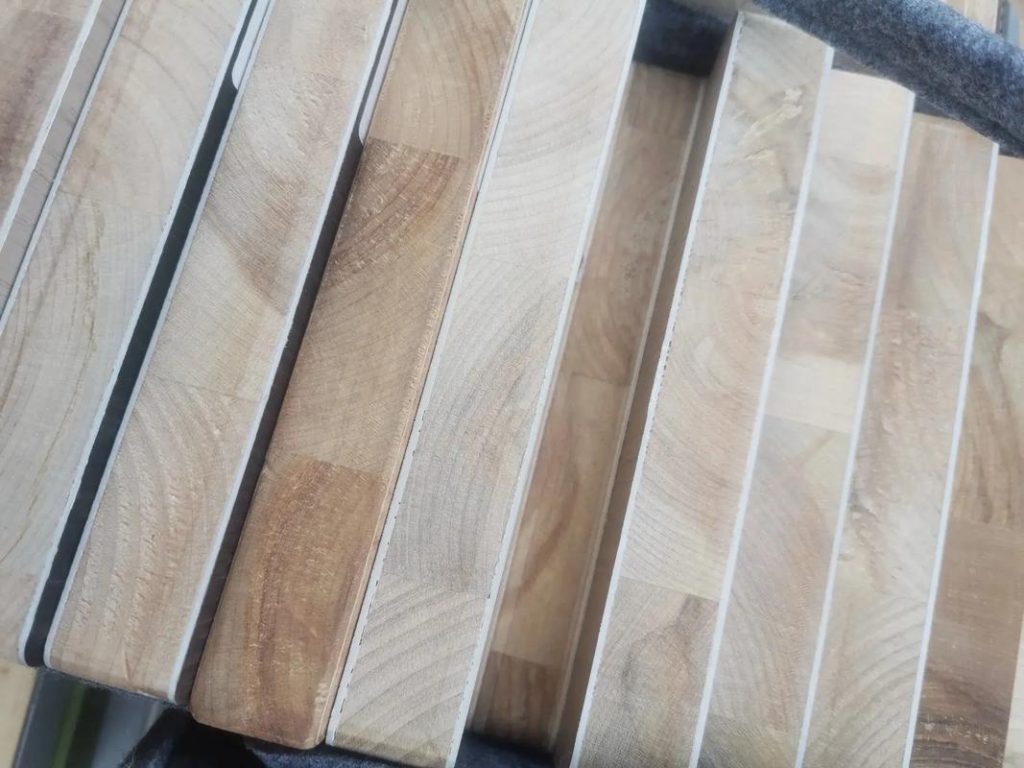
Blockboard vs Finger Joint Board for Furniture Buyers
A visible timber-strip core does not make the finished panel the same as an exposed…

Synchronized Melamine Board Goes Beyond the Print
Woodgrain design reference only. A flat image cannot demonstrate EIR texture or alignment. Synchronized melamine…
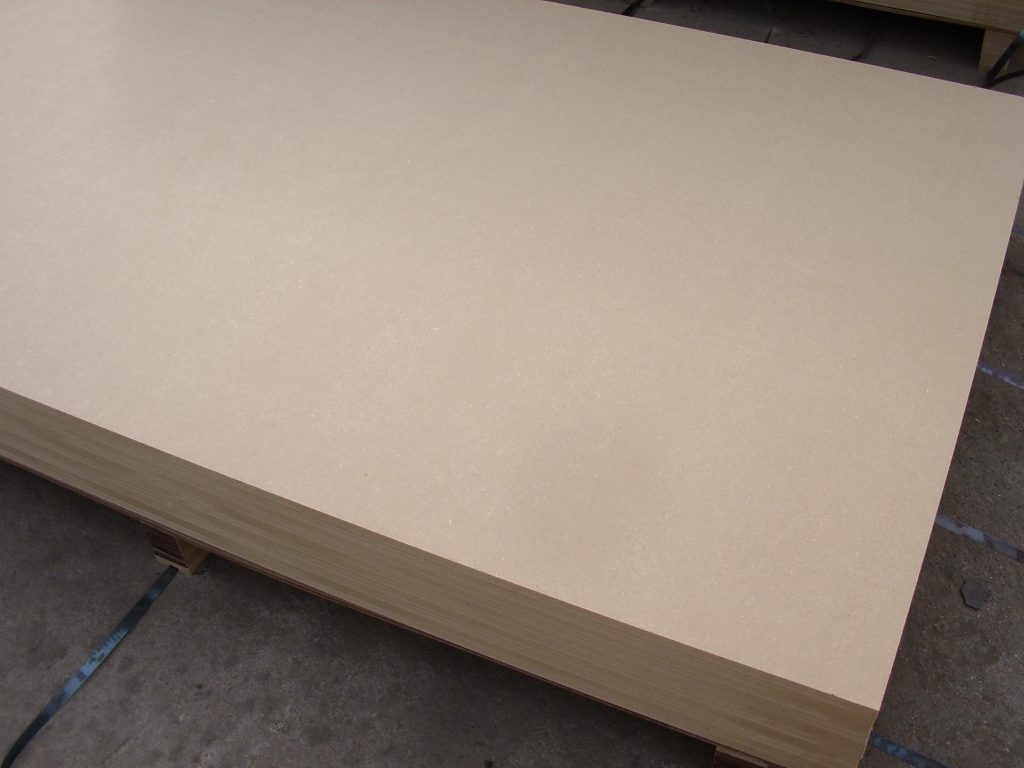
Lightweight MDF vs Standard MDF for Furniture Parts
Panel appearance alone does not identify a lightweight MDF grade. Lightweight MDF can make a…
Film Faced Plywood Edge Sealing After Cutting
Film faced plywood edge sealing needs to follow the cutting and drilling plan. Factory edge…
Plywood for Melamine Facing Needs More Than Sanding
Plywood for melamine facing needs more than a smooth touch. Sanding can prepare a face,…
Cleaning Melamine Board Without Damaging the Finish
Cleaning melamine board should start with the supplied care instructions and a gentle method, not…
Blockboard Core Direction and Cutting Plans
Follow the strip direction into part layout and door construction.
Blockboard Telegraphing and Melamine Core Lines
Understand why the support beneath a decorative face matters to appearance.
What Is Melamine Board
Separate decorative paper from the substrate it covers.
Send the intended component, finished thickness, required appearance and a labelled section or reference sample. Momentimber can help match raw or melamine-faced Blockboard options to that construction. Confirm the available support materials and processing route for the order rather than relying on a layer name alone.