

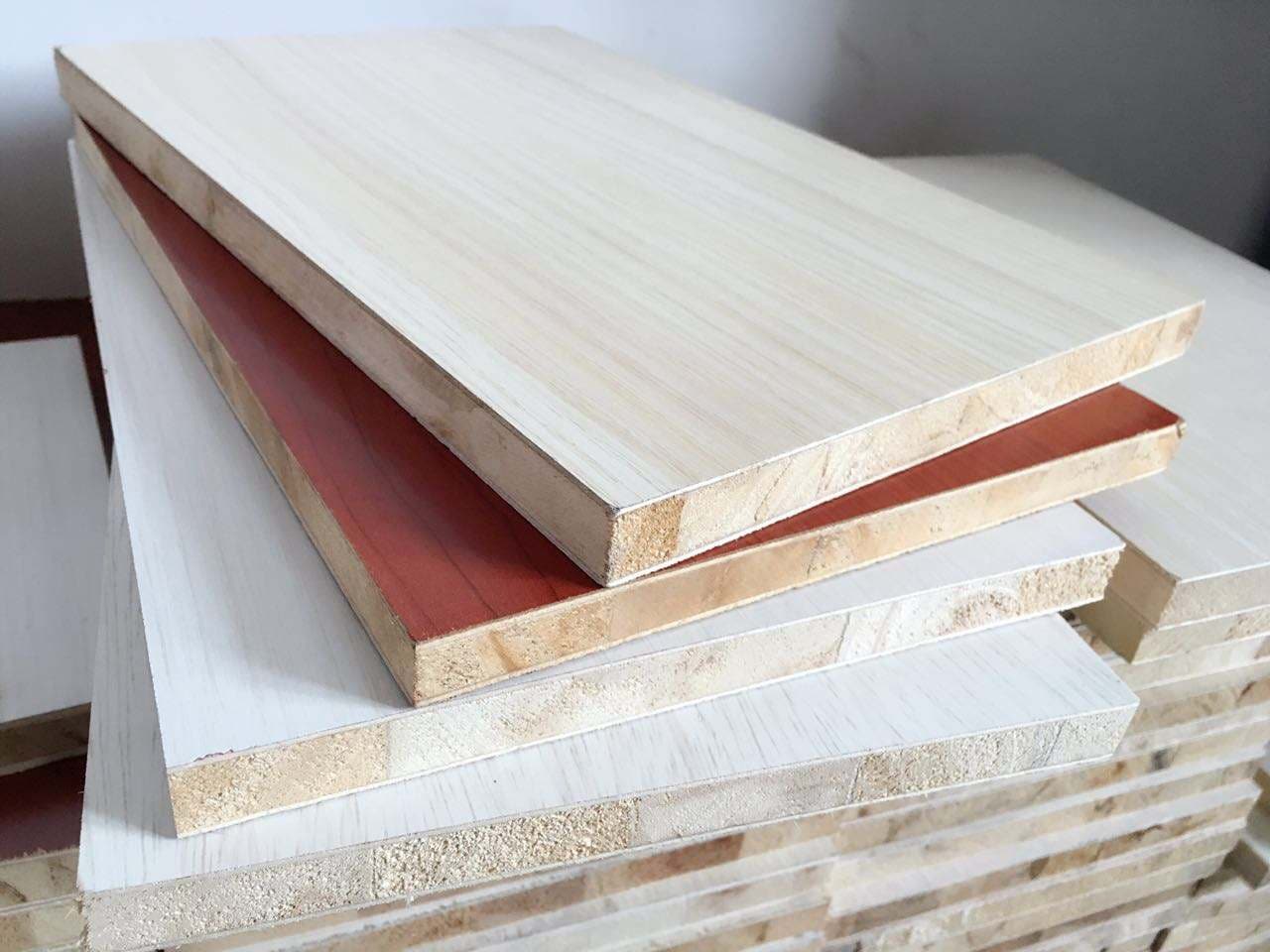
A furniture buyer approves an oak-look cabinet door. The supplier then asks whether the back can be white to reduce cost. Double sided melamine board means a wood-based panel surfaced with melamine resin-impregnated paper on both faces. It does not automatically mean both sides have the same printed decor. The back can differ, but the actual construction and the finished component must be approved.
There are two decisions here. One is appearance: what should a customer see when the door opens? The other is panel construction: what surface arrangement will the producer supply on each side? Treating both as a simple colour choice can lead to a disputed delivery, especially when a hidden back is changed after the front sample was approved.
Define Both Faces of Double Sided Melamine Board
The melamine board range is a surface-and-substrate combination. Particleboard and MDF are possible substrates, but they are not the decorative face itself. For a quotation, name the substrate first. Then identify the front and reverse treatment. This avoids treating two boards with similar front photographs as equivalent products.
Use plain descriptions rather than assuming the supplier shares your abbreviations. Double-face oak may mean matching oak-look paper on both sides. Oak/white normally describes different face colours. Single-face may mean a raw reverse or another backing treatment, depending on the seller. Ask for confirmation and a labelled edge sample when the wording is unclear.
| Order description | What remains unclear | What to write instead |
|---|---|---|
| Double sided melamine | Decor, texture and construction of each side. | Identify front and reverse surface references separately. |
| Oak face / white back | White reference, gloss and whether the construction is approved. | Specify both references and the supplier-confirmed arrangement. |
| Single face | Whether the reverse is raw or has another treatment. | Describe the reverse material and intended use explicitly. |
| Same as last order | Which sample and specification the seller is using. | Quote the retained sample ID and the approved revision. |
Matching Colour Is Not the Same as Panel Balance
Panel balance means that the layers on the two sides are selected and processed to work together rather than create an unsuitable uneven response. A matching printed picture does not establish that. Nor does a different printed colour automatically prove a panel is unbalanced. The producer needs to confirm the complete face and reverse system for the chosen substrate.
For melamine-surfaced MDF, the European Panel Federation guidance recommends matched resinated-paper type and weight on both faces and aligned paper grain direction to support flatness as conditions change. That is a useful reason to ask about both sides. It is not a promise that any two matching colours, or any two decorative papers, will produce a flat component.
Do not turn that guidance into a universal pressing recipe. A buyer does not need to prescribe factory temperatures from a general website. Ask the producer to identify the offered surface arrangement and confirm its suitability for the panel and application. Then agree how a representative finished panel and cut component will be checked.
A hidden back is still part of the construction
The reverse may be out of sight after assembly, but it remains part of a large door, shelf or side panel. Removing its surface treatment simply because it is hidden changes the product. Before accepting the saving, confirm the new construction, intended support and expected use. A small decorative chip cannot show how that revised full panel will behave.
When a Plain Reverse Can Make Commercial Sense
Matching woodgrain may be valuable on a wardrobe door because both sides are visible during normal use. A plain interior colour may instead suit a cabinet range with consistent white interiors. On an enclosed component, a premium printed reverse may add little visual value. Start with the furniture drawing and the buyer promise, not a general preference for one-sided or two-sided products.
A plain reverse is not automatically less expensive. Stock availability, order quantity, paper combinations and production planning can affect the offer. Ask for the price of the actual face/reverse combination at the required quantity. Keep that quote separate from a matching-decor alternative so any saving has a clear basis.
| Furniture situation | Appearance decision | Approval priority |
|---|---|---|
| Door opened during daily use | Both sides may be visible to the customer. | Approve decor, texture and reverse appearance on a component. |
| Consistent white cabinet interior | A white reverse may match the product range. | Confirm the white reference and complete surface arrangement. |
| Concealed, supported component | A premium printed back may offer little benefit. | Do not remove treatment without producer confirmation and a trial. |
| Large unsupported panel | A hidden surface is not the only concern. | Review full-panel and component flatness with the supplier. |
Ask About the Substrate Before Changing the Back
Particleboard and MDF can both carry decorative melamine surfaces, but their internal structures are different. Keep the substrate grade, actual thickness and intended machining clear in the order. A face/reverse change should not be accompanied by an unapproved substrate substitution merely to hold the same price.
The substrate-change guide explains why a familiar decor is not enough to approve a different board beneath it. The same logic applies here. Compare the complete finished panel and the component it will become. A change in reverse surface and a change in substrate are two separate approval decisions.
Also distinguish directly pressed melamine paper from a separately bonded high-pressure laminate, commonly called HPL. Their surface build-ups are different. Advice for balancing an HPL panel should not be copied unchanged into an order for directly melamine-faced MDF or particleboard. Ask which product the supplier is actually offering.
The NEN overview of EN 14322 defines the scope of decorative melamine-faced interior boards and excludes the HPL systems identified there. Use that distinction to keep the surface description accurate. It does not remove the need to agree the actual reverse treatment or the receiving inspection.
Approve More Than the Front Photograph
For a small importer, a useful approval pack can be simple. Keep one finished sample showing both faces and a labelled edge. Identify the substrate, finished thickness, front code, reverse code, texture and direction. If the order is for large doors, ask for a representative cut component or trial panel rather than relying only on a palm-sized chip.
Look at the front and back under the normal lighting in which the furniture will be sold. For a component trial, record its size, support and storage condition. Compare flatness at agreed stages, such as after facing, after cutting and after normal conditioning. Agree any limit and method with the supplier; this article does not invent a universal allowable bow.
- Label front and reverse so receiving staff cannot confuse them.
- Keep the approved finished construction and decor references together.
- State which faces need a decorative appearance and which may be concealed.
- Require approval before either surface system or substrate is substituted.
Do not promise that two decorative faces make a panel waterproof. Cutting exposes edges and drilling opens holes. The intended environment, substrate and finished furniture details still matter. Equally, do not diagnose every bow as a facing fault. Uneven supports, handling and storage may need investigation alongside the production record.
Keep the Reverse Face Consistent on Repeat Orders
Use the texture and repeat-order checklist for each side, not only the front. A plain reverse can still change in gloss, texture or shade. If the customer expects a consistent interior colour across a furniture range, attach the reverse reference to every relevant stock item.
Record approved revisions rather than overwriting the original sample description. When a supplier proposes another reverse paper, ask what changes and why. Confirm appearance and construction before production, then identify the revised bundles. This keeps a cost-saving decision from becoming an unexplained difference in the receiving warehouse.
The woodgrain direction and cutting-yield guide helps when the pattern must run consistently across doors and sides. Mark the direction on the approved sample and drawing. Where the reverse has a visible pattern too, identify its direction separately so the workshop does not discover the constraint after cutting.
A clear face/reverse record also helps a distributor answer the next customer. Instead of selling a vague double-sided board, the sales team can explain the substrate, visible finishes and intended uses. Momentimber can coordinate these details with sample review and production follow-up, without turning a practical purchase into a laboratory project.
Frequently Asked Questions
Related Reading
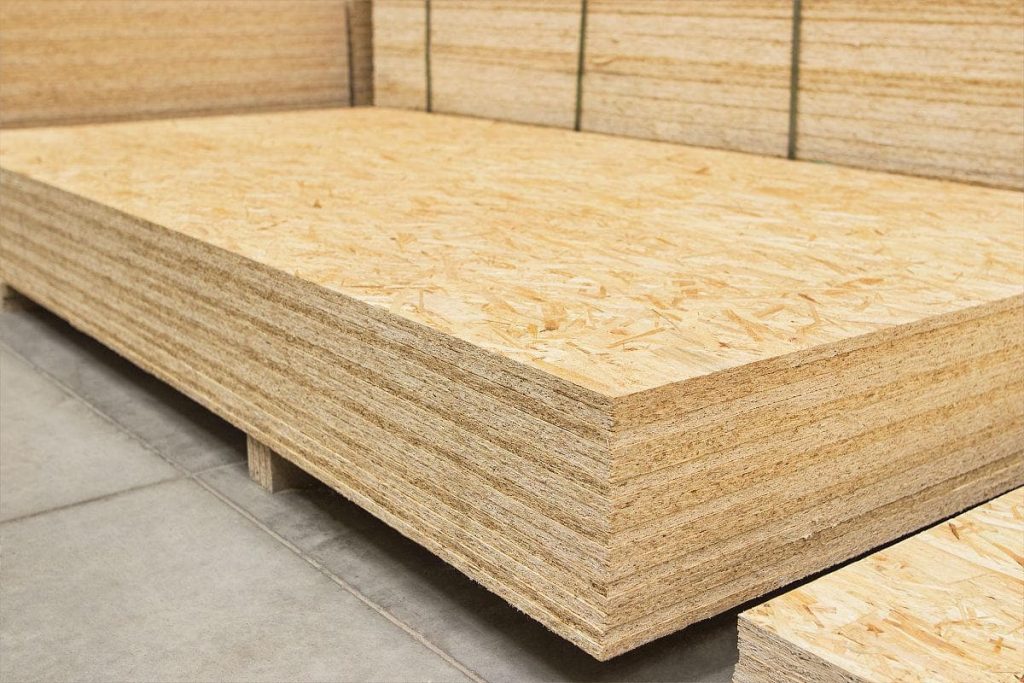
Sanded OSB for Furniture Still Needs a Finish Plan
OSB material reference only; sanding quality and the final finish need separate approval. Sanded OSB…
Plywood vs OSB for Crates Is More Than a Price Choice
Protected panel bundles are a supply-stage reference, not an approved design for a shipping crate….
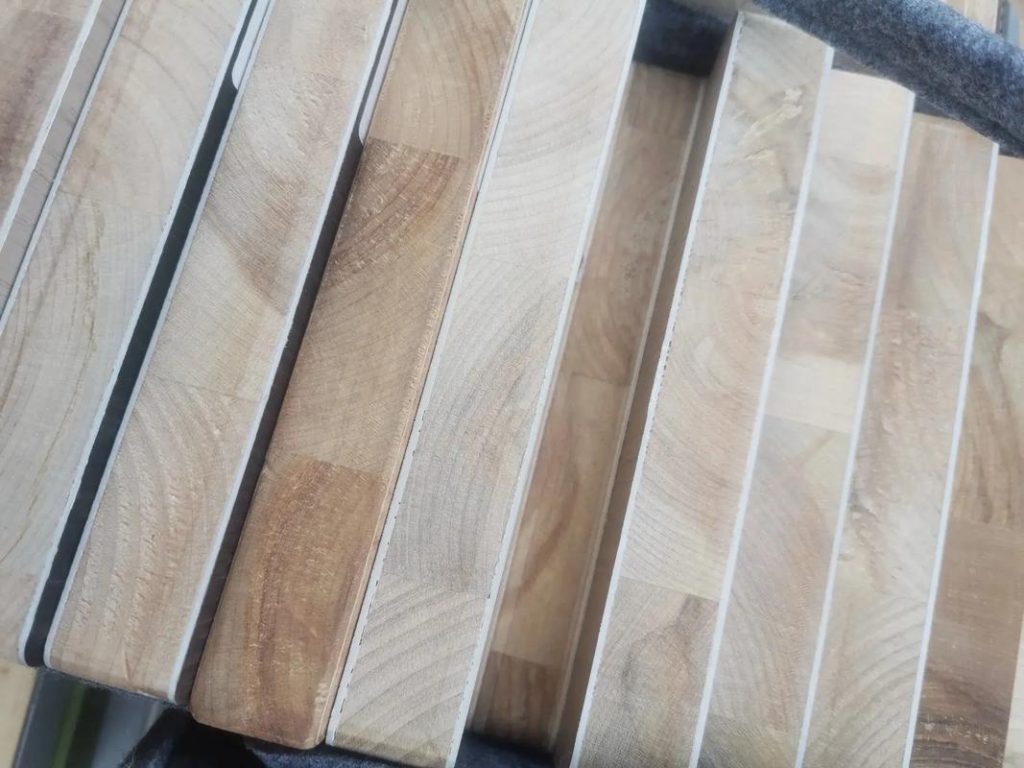
Blockboard vs Finger Joint Board for Furniture Buyers
A visible timber-strip core does not make the finished panel the same as an exposed…
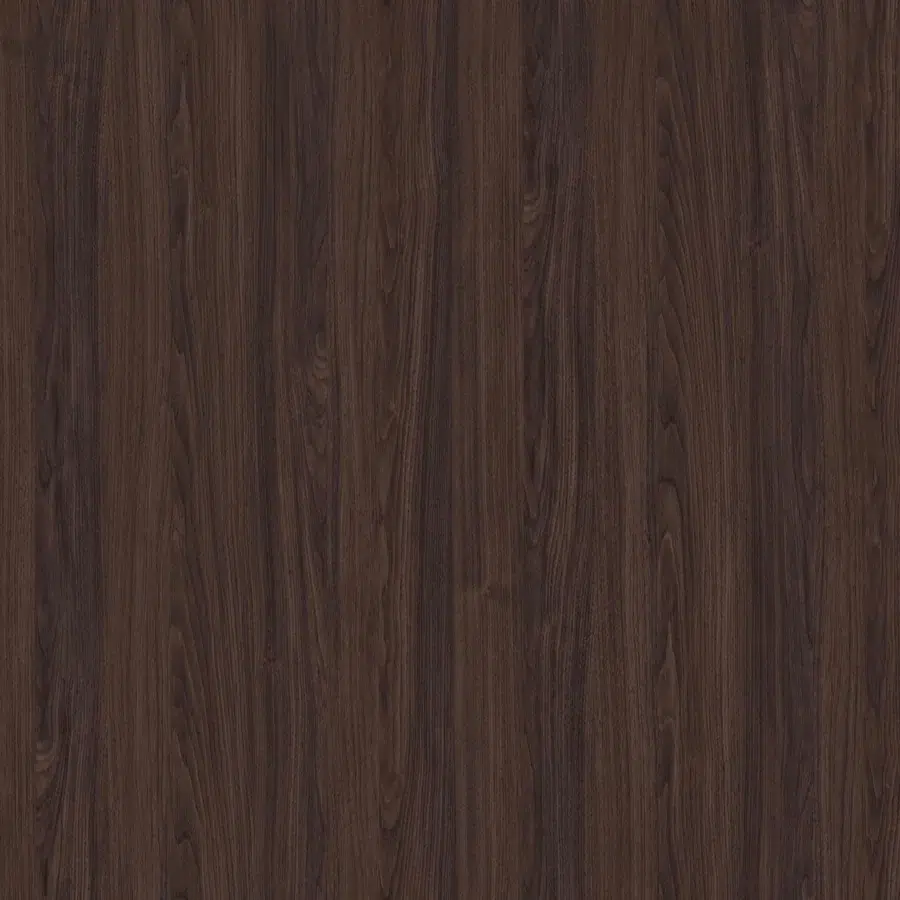
Synchronized Melamine Board Goes Beyond the Print
Woodgrain design reference only. A flat image cannot demonstrate EIR texture or alignment. Synchronized melamine…
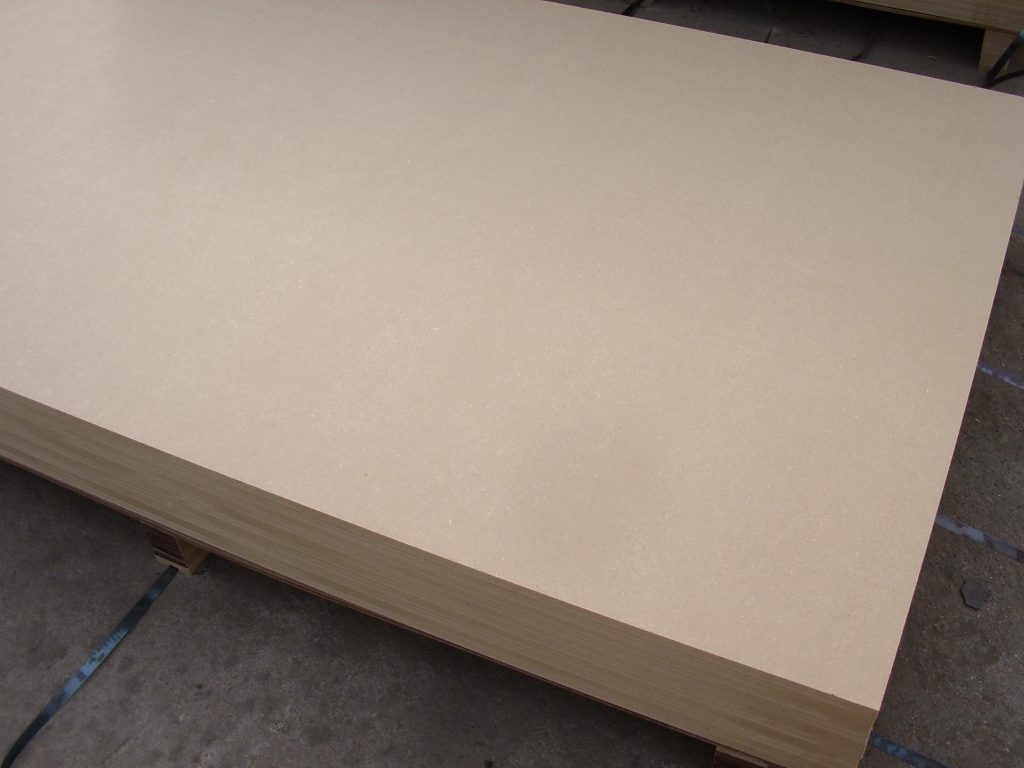
Lightweight MDF vs Standard MDF for Furniture Parts
Panel appearance alone does not identify a lightweight MDF grade. Lightweight MDF can make a…
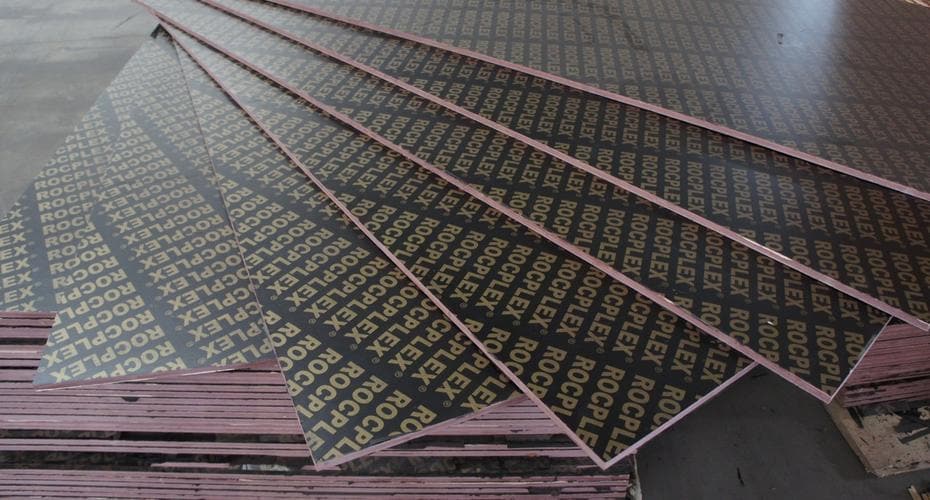
Film Faced Plywood Edge Sealing After Cutting
Film faced plywood edge sealing needs to follow the cutting and drilling plan. Factory edge…
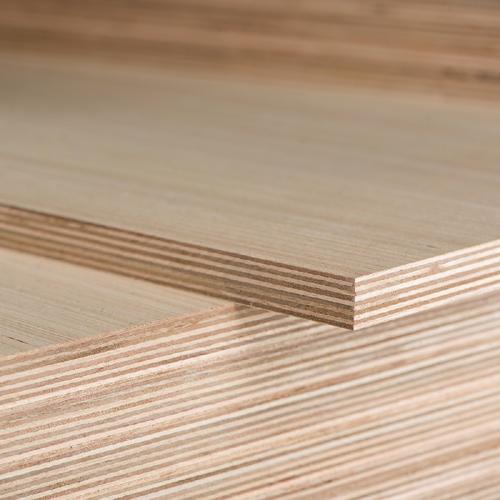
Plywood for Melamine Facing Needs More Than Sanding
Plywood for melamine facing needs more than a smooth touch. Sanding can prepare a face,…
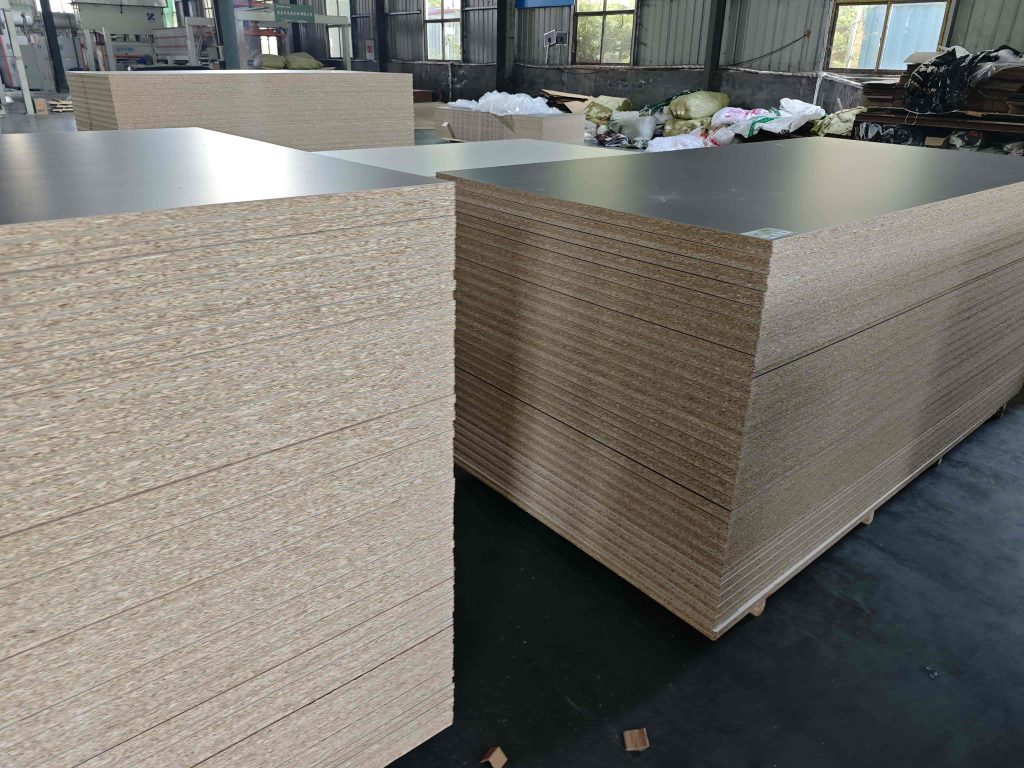
Cleaning Melamine Board Without Damaging the Finish
Cleaning melamine board should start with the supplied care instructions and a gentle method, not…
Particleboard Worktops vs Ordinary Cabinet Board
Particleboard worktops can have a chipboard core without being the same product as an ordinary…
Melamine Board Texture and Repeat Orders
Keep the tactile finish and gloss reference attached to each approved side.
Melamine Board Substrate Change: What Changes?
Understand why the same decor cannot approve a different internal board.
Melamine Woodgrain Direction and Cutting Yield
Plan the decorative direction before components are nested and cut.
Send the furniture drawing and tell us which sides customers will see. We can help specify the substrate, front decor and reverse-face arrangement before an import order.