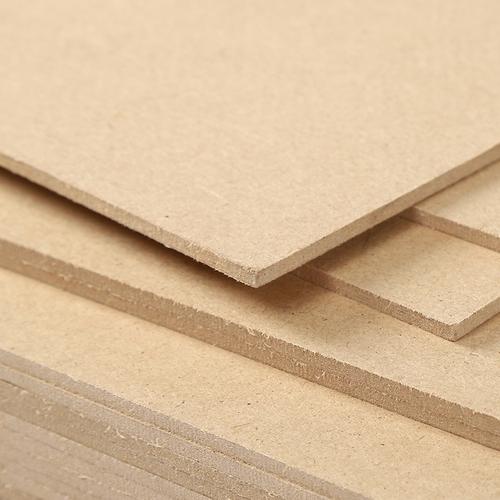
MDF cabinet backs are thin fibreboard panels closing the rear of a cabinet. MDF means medium-density fibreboard, made from wood fibres bonded into a sheet. A 3 mm back can suit an approved, well-supported cabinet detail. A 6 mm back may suit another construction, but it is not a direct replacement if the groove, supports or dimensions differ.
The back is not simply a thinner cabinet side. It closes the cabinet and may help the assembled unit stay square when designed and fixed for that role. This is why the furniture drawing matters more than a thickness label.
Why Thin MDF Is Used for Cabinet Backs
Thin MDF panels have a fine fibre structure and can provide a smooth face for finishing or decoration. They can suit plain or decorative cabinet interiors. The European Panel Federation thin-MDF guidance identifies cabinet backs as one use, without approving every cabinet at one thickness.
This gives the back its own material requirement. Select it for the cabinet opening and attachment method rather than copying the specification for a door or side. Keep any required bracing role on the drawing.
How to Compare 3 mm and 6 mm MDF Cabinet Backs
At otherwise comparable material properties, a thicker panel generally resists bending more. It also takes more space and adds material and weight. That makes thickness useful, but not a substitute for knowing how the back is supported.
| Detail | A thinner option may suit | What to review before choosing thicker |
|---|---|---|
| Cabinet opening | An approved detail with suitable edge and intermediate support. | The unsupported area and attachment arrangement. |
| Grooved assembly | A finished panel that fits the specified slot. | Groove width, depth and remaining space. |
| Back fixed to a frame | The approved fixing pattern and support layout. | Fixing detail and revised overall dimensions. |
| Service openings | A layout with the remaining areas properly supported. | Opening positions and any required design change. |
A groove is the slot holding a panel edge. A rebate is a stepped recess supporting it. If either was designed around 3 mm, changing to 6 mm may require machining changes. Use finished thickness and agreed clearance, not an assumption that every nominally identical sheet fits.
For a larger opening, ask whether a thicker back, an intermediate rail or another approved construction is needed. The furniture maker should decide from the assembly. The answer cannot be read from a loose sample alone.
Choose the Back Surface Separately
A back can be supplied raw or with a specified facing. For melamine-faced MDF, name the visible decor and required reverse face. The MDF is the substrate; the decorative paper is the surface system. White board alone does not describe both.
A melamine face also does not make the whole back waterproof. For a damp location, specify the suitable substrate and cabinet construction. Keep cut edges and service openings in that discussion.
Turn the Choice Into One Clear Order
Imagine a distributor replacing the back of an existing flat-pack cabinet. The proposed 6 mm sheet looks more substantial than the old 3 mm sheet. Before switching, check its fit in the existing groove and approve an assembled sample. Otherwise, the new part may arrive unable to fit the kit.
The MDF cabinet specification guide connects this back-panel choice to the wider order. Keep its component code, cut dimensions, finished thickness and facing separate from the cabinet sides.
The EN 622-5 public scope distinguishes MDF product properties from design values. Use the board information to identify the material, then let the approved cabinet detail establish its role. Send that drawing with the enquiry so the supplier can quote the actual component.
Frequently Asked Questions
Related Reading
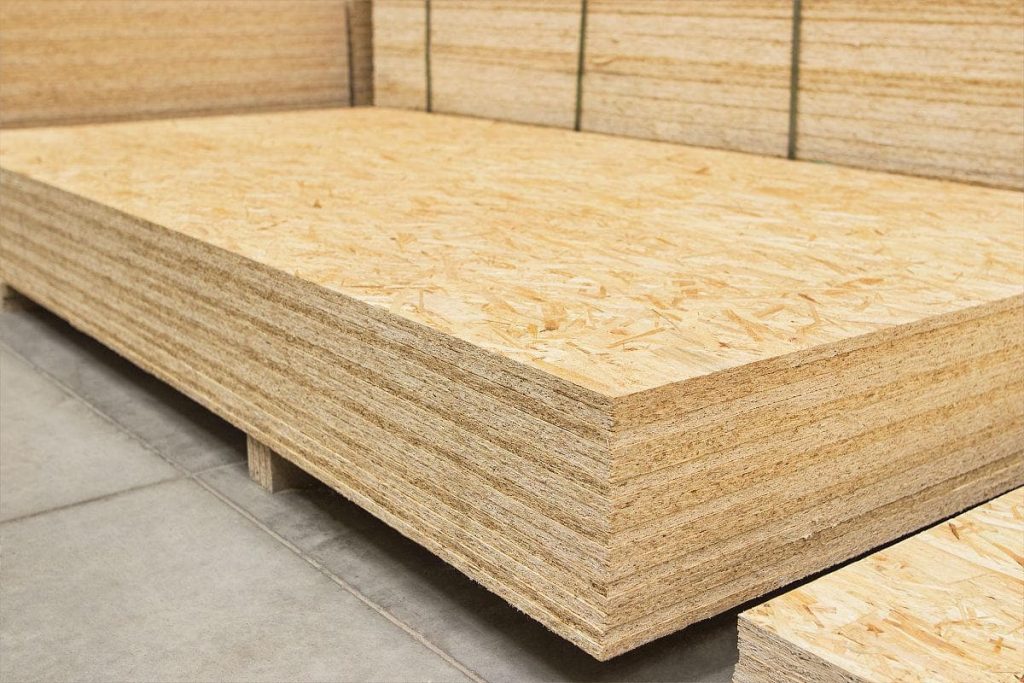
Sanded OSB for Furniture Still Needs a Finish Plan
OSB material reference only; sanding quality and the final finish need separate approval. Sanded OSB…
Plywood vs OSB for Crates Is More Than a Price Choice
Protected panel bundles are a supply-stage reference, not an approved design for a shipping crate….
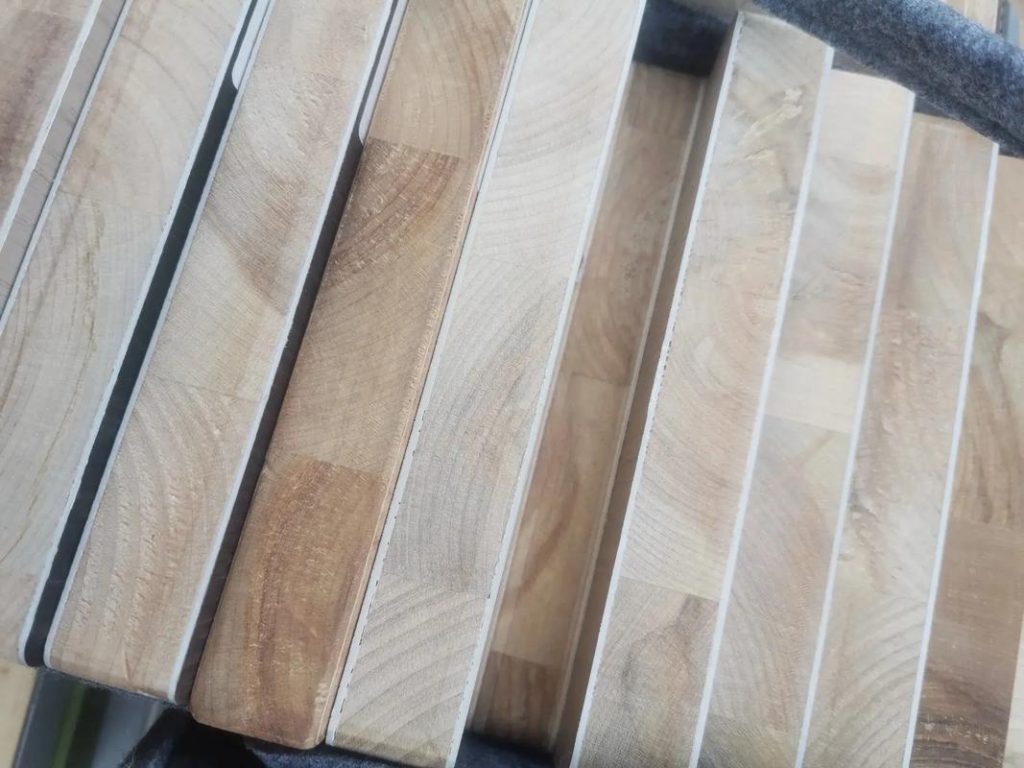
Blockboard vs Finger Joint Board for Furniture Buyers
A visible timber-strip core does not make the finished panel the same as an exposed…
Synchronized Melamine Board Goes Beyond the Print
Woodgrain design reference only. A flat image cannot demonstrate EIR texture or alignment. Synchronized melamine…
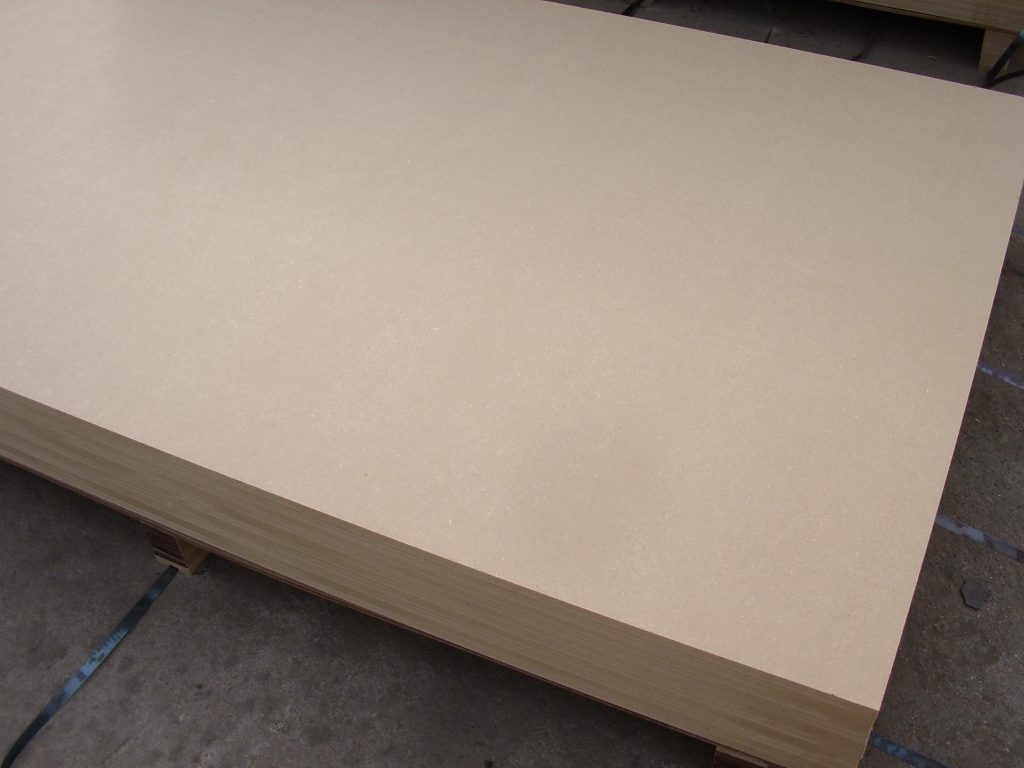
Lightweight MDF vs Standard MDF for Furniture Parts
Panel appearance alone does not identify a lightweight MDF grade. Lightweight MDF can make a…
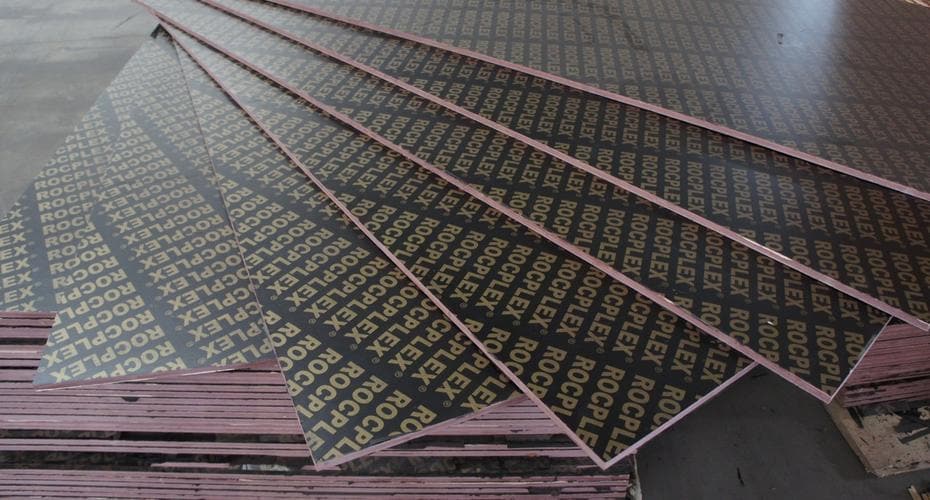
Film Faced Plywood Edge Sealing After Cutting
Film faced plywood edge sealing needs to follow the cutting and drilling plan. Factory edge…
Plywood for Melamine Facing Needs More Than Sanding
Plywood for melamine facing needs more than a smooth touch. Sanding can prepare a face,…
Cleaning Melamine Board Without Damaging the Finish
Cleaning melamine board should start with the supplied care instructions and a gentle method, not…
MDF Board for Cabinets: What Importers Should Specify
Connect the back-panel detail to the wider cabinet specification.
MDF Wood Fibres: Does the Tree Species Decide Quality?
Understand why a material label alone cannot approve a component.
Raw Particleboard vs Melamine Faced Chipboard
Separate the supporting board from its decorative finish.
Send the cabinet-back drawing, finished dimensions, target thickness and required surface. Momentimber can help match a raw or melamine-faced MDF option to the specified component.