

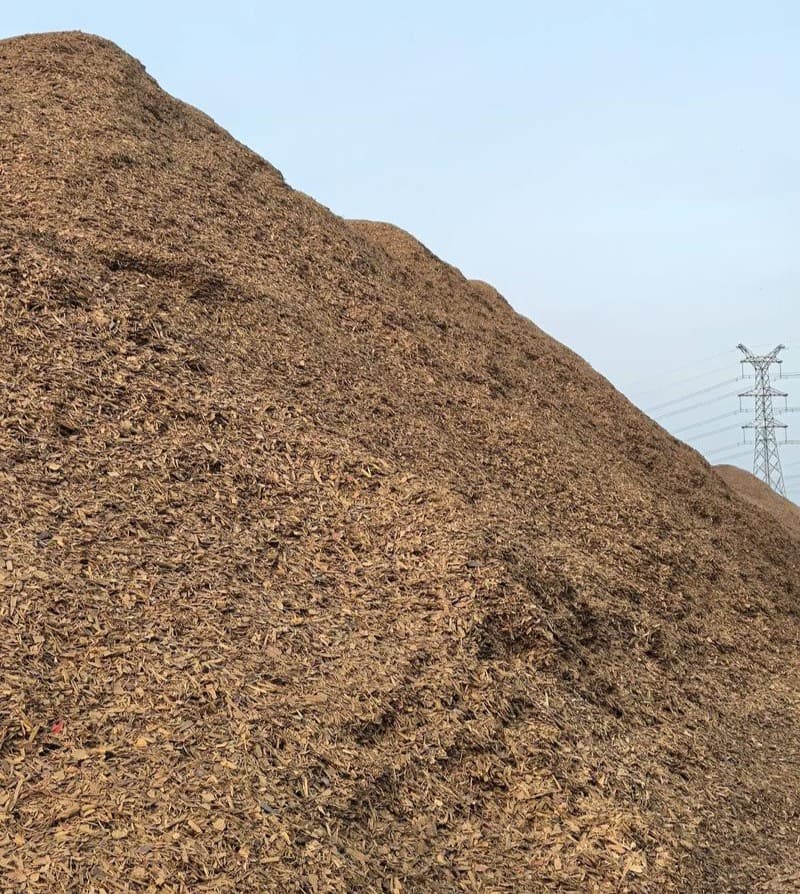
MDF wood fibres influence the panel, but the tree species does not decide quality on its own. Fibres are the small wood elements bonded into MDF, not decorative veneers. If one quote says pine and another says eucalyptus or mixed wood, compare the identified products and their intended use. A species name cannot tell you which board will make the better cabinet door.
That distinction matters when a familiar product becomes unavailable. A supplier may propose another fibre source while offering the same thickness and decor. Do not reject it simply because the name changed. Do not approve it simply because the alternative timber sounds harder. Ask what the change means for the supplied panel.
Key takeaways
- Hardwood, softwood and mixed-wood MDF need product-specific comparisons.
- Species and fibre preparation are related, but they are not the same specification.
- A raw-material claim does not establish a moisture-resistant or machining grade.
- Approve the MDF substrate separately from the melamine face.
MDF Wood Fibres Are Not a Timber Veneer
In MDF board, wood is processed into fibres and formed into a bonded panel. The finished sheet is not a stack of intact wood veneers. Therefore, a timber name on an MDF offer does not carry the same meaning as a species description for a solid strip or a plywood veneer.
The European Panel Federation MDF overview confirms that both hardwood and softwood can be used. It describes chips being softened and refined into fibres before panel formation. This explains the material family; it is not a recipe that every mill must follow or a guarantee about one product on a quotation.
Keep two descriptions in the conversation: what the wood input is and which MDF product is offered. The first helps explain sourcing. The second connects the offer to properties, applications and repeat ordering. A helpful supplier should not need you to choose between those questions.
Hardwood and Softwood Are Not a Finished-Board Ranking
Pine is a softwood example; eucalyptus and poplar are hardwood examples. These timber categories do not directly rank finished MDF. A board sold as hardwood MDF is not automatically harder at every point or better for every routed profile. Ask what the producer means by the description.
Likewise, mixed wood is not automatically a warning label. It may describe a planned furnish rather than uncontrolled material. Furnish means the prepared fibre input used to make the panel. Clarify the supplier term before treating a mixture as a downgrade or demanding a single-species product without a reason.
| Description | Useful follow-up | Avoid assuming |
|---|---|---|
| Pine or softwood MDF | Identify the product range and intended component. | Softwood means the finished board is too soft. |
| Eucalyptus or hardwood MDF | Ask what the species claim covers and which properties are declared. | Hardwood guarantees better machining or fixing. |
| Mixed-wood MDF | Clarify the furnish description and product consistency. | A planned blend is necessarily inferior. |
| Light or dark core colour | Keep the sample identity and ask about the material. | Colour proves species, grade or adhesive system. |
Why the Same Species Can Still Produce Different MDF
A species label leaves many questions open. The incoming wood varies, and fibre preparation and panel manufacture add further variables. That is why two offers carrying the same species name should not bypass normal product comparison. Familiar raw material is useful information, not a substitute for identifying the sheet.
A USDA-hosted study of wood and processing factors in MDF examined several young eucalyptus-related and poplar materials. It found variation both between and within species, with processing factors also influencing panel properties. The sensible buying conclusion is to consider the material and its processing together, not to copy a laboratory species ranking into a purchase order.
The study does not tell you which current commercial mill makes a suitable board. Nor does it establish a standard resin recipe or target for your shipment. Use research to avoid an oversimplified claim, then compare the actual offered product and its documentation.
Refining changes the material you are buying
Refining is the step that separates prepared wood into fibres. Ask the supplier about the MDF range, rather than demanding a particular machine setting that you cannot assess. The useful link is from fibre preparation to the finished operation: the routed groove, coated edge or fitted component your customer needs.
A large chip, a fibre and sanding dust are not interchangeable terms. If a sales message says wood powder board, ask whether it is simply an informal description of MDF. Do not let an imprecise translation become a contractual raw-material promise.
Start With the Furniture Part That Has to Work
A flat cabinet side and a deeply routed door place different demands on the same sheet thickness. The buyer should describe that difference before comparing fibre claims. A cheaper board may suit one part and create extra finishing work on another. That is an application decision, not an argument about which tree is best.
For a profiled door, the MDF routing-quality guide explains why the actual cut matters. Use an identified board and the intended profile. If the component will be coated, include the agreed preparation and finish in the comparison rather than stopping at an attractive raw face.
For a plain carcass panel, a different approval may be enough. Check the fitting, cut edge and finished size that matter to that component. Do not demand the same trial from every customer merely because the raw material has changed. Match the effort to the consequence of getting the part wrong.
These comparisons do not require a fibre analyser. A small importer can keep a labelled reference, make a representative component and record the process. That does not certify the wood composition, but it provides useful application evidence alongside the supplier product information.
Keep Fibre Source Separate From Density and Grade
Our MDF density-profile article explains why one average density does not describe every depth of the sheet. A species name provides even less detail about that distribution. Do not treat pine, hardwood or mixed fibre as a substitute for the declared density basis and relevant product properties.
Moisture resistance is another separate issue. A hardwood description does not establish an MDF grade for damp service. If the intended furniture location requires enhanced moisture performance, ask for the appropriate identified product and supporting information. Do not infer it from the species, weight or colour.
The same applies to emission and sourcing claims. Request the document that addresses the claim, the product it covers and its applicable scope. An attractive fibre story does not answer every requirement a destination market or customer may place on the finished panel.
What a Melamine Face Changes and What It Does Not
In melamine-faced boards, resin-impregnated decorative paper supplies the surface system while MDF remains the substrate. The colour and texture reference cannot certify the fibre composition below it. Record both the face reference and the offered MDF product in the order.
If the supplied item is faced MDF, make the relevant comparison on that construction. A raw sheet can help explain the substrate, but it cannot approve every finished machining result. Also confirm the arrangement on the reverse face and the finished thickness before comparing prices.
Avoid presenting a printed woodgrain as the underlying wood species. A pine-looking decor does not mean pine MDF. This is worth explaining to a distributor who sells both appearance and material options. Separate names make the stock description clearer for the customer and the purchasing team.
How to Handle an Alternative Fibre Source on a Repeat Order
First ask whether the producer is offering the same named product or a substitute. If it is a substitute, identify what changes in the declaration, application or supply promise. A response of same colour and thickness is not enough when the customer depends on a particular component result.
- Keep the original panel reference and approved component record.
- Obtain the proposed product reference and defined raw-material claim.
- Ask which declared properties and supplied construction change.
- Repeat the relevant component comparison where the consequence justifies it.
- Record approval before production rather than after shipment.
Do not write a rigid single-species requirement unless your customer actually needs one. Such a requirement can narrow the supply options without improving the component. Equally, do not permit an undisclosed substitution where the product identity matters. Clear limits make flexibility commercially useful.
Momentimber can coordinate sample comparisons and substrate matching for raw and melamine-faced MDF. Our company introduction sets out the supplier-service role. The useful promise is a clearly identified board matched to the application, not a claim that one tree species always produces the best MDF.
Frequently Asked Questions
Related Reading
Sanded OSB for Furniture Still Needs a Finish Plan
OSB material reference only; sanding quality and the final finish need separate approval. Sanded OSB…
Plywood vs OSB for Crates Is More Than a Price Choice
Protected panel bundles are a supply-stage reference, not an approved design for a shipping crate….
Blockboard vs Finger Joint Board for Furniture Buyers
A visible timber-strip core does not make the finished panel the same as an exposed…

Synchronized Melamine Board Goes Beyond the Print
Woodgrain design reference only. A flat image cannot demonstrate EIR texture or alignment. Synchronized melamine…
Lightweight MDF vs Standard MDF for Furniture Parts
Panel appearance alone does not identify a lightweight MDF grade. Lightweight MDF can make a…
Film Faced Plywood Edge Sealing After Cutting
Film faced plywood edge sealing needs to follow the cutting and drilling plan. Factory edge…
Plywood for Melamine Facing Needs More Than Sanding
Plywood for melamine facing needs more than a smooth touch. Sanding can prepare a face,…
Cleaning Melamine Board Without Damaging the Finish
Cleaning melamine board should start with the supplied care instructions and a gentle method, not…
How MDF Is Made: Production Controls That Matter to B2B Buyers
Follow how fibre preparation becomes a finished furniture panel.
MDF Density Profile: Why a Hard Face Can Mislead Buyers
Separate the raw-material description from density through the thickness.
MDF Routing Quality for Cabinet Doors
Approve the machined component instead of relying on a species label.
Send the MDF application, raw or melamine-faced finish, dimensions and an example of the machining or fitting required. Momentimber can help compare substrate options on a common basis.