

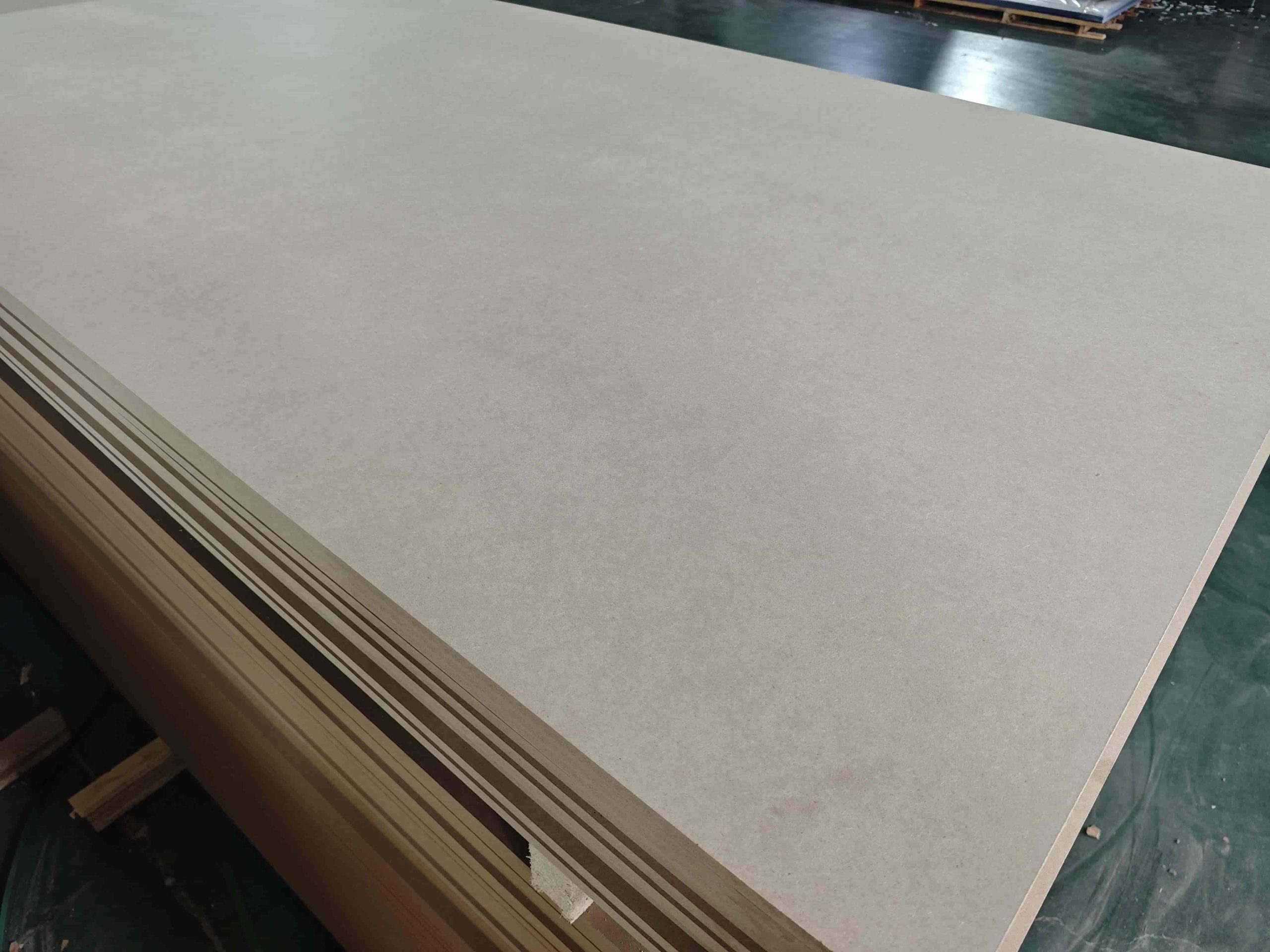
Thin MDF vs hardboard is a material comparison, not simply a choice between two thicknesses. Both are fibre-based panels. However, their forming process, supplied faces and finishing behaviour can differ. A furniture back that looks similar on the visible side may require different preparation or assembly when the material changes.
This matters when an importer receives an offer for a cheaper replacement, or a distributor hears several names for a thin brown sheet. Start by identifying the panel and its two faces. Then decide whether it fits the furniture and the next operation. The name fibreboard alone does not settle those questions.
What Thin MDF Actually Is
Manufacturers make MDF, or medium-density fibreboard, by combining prepared wood fibres with a binder and pressing them into a panel. Thin MDF is a thin version of that material family, rather than a sheet of wood shaved from a log. Its thickness does not tell you the exact grade or processing suitability.
In the usual dry forming route, equipment spreads prepared fibres into a mat before pressing. The term dry describes the forming method. It does not mean a finished panel contains no moisture. Thin sheets still need a defined product specification and sensible storage before they enter furniture production.
Two smooth faces can be useful where the inside and outside of a furniture back remain visible. Yet smooth on both sides is only a surface description. It does not establish that both sides have identical decorative finishes, or that an unfinished sheet is ready for any chosen coating without preparation.
What Hardboard Means in This Comparison
Hardboard is a dense fibre-based panel, not a sheet of solid hardwood. Calling it harder MDF misses that distinction. Forming route and surface configuration help distinguish the offered product. For purchasing, identify its forming and finishing route rather than choosing whichever name sounds stronger.
Many familiar wet-process hardboards have one smooth face and a screen-textured reverse. Water carries the fibres during forming, and drainage through a supporting screen can leave that reverse pattern. The dataholz description of fibre composites also distinguishes this from dry-process boards with smooth faces on both sides. Not every hardboard delivery has the same surface configuration.
Suppliers may coat or otherwise treat hardboard, so judge the supplied product rather than an imagined raw sheet. If a seller offers two smooth faces, ask whether that condition comes from forming, sanding or a later facing. Those routes need not be interchangeable in the next finishing process.
Wet-process is a manufacturing description, not a promise about wet service. It does not mean the finished board is waterproof. Likewise, dry-process does not mean the panel needs a perfectly dry factory. Select the declared service grade independently. A product may suit an indoor furniture back without being suitable for a damp installation or weather exposure.
Where HDF Fits
HDF stands for high-density fibreboard. It often appears as a density description for dry-process products, but trading language varies. Our HDF and MDF comparison addresses that density question. Here, keep density and forming route as separate pieces of information instead of treating every HDF offer as wet-process hardboard.
Compare Both Faces Before Comparing Price
A cabinet back has a face looking into the cabinet and another facing the wall or room. The less visible side may still matter during assembly, handling and cleaning. A screen-textured reverse is not automatically a defect. It becomes a mismatch when the approved furniture requires a different reverse condition.
| Attribute | Thin dry-process MDF | Hardboard offer to clarify |
|---|---|---|
| Material identity | Fibre panel with declared MDF grade | Declared hardboard family and process |
| Supplied faces | Often two smooth faces; confirm finish | One or two smooth faces; inspect reverse |
| Decorative state | Raw, coated or faced as ordered | Raw, treated, coated or faced as ordered |
| Furniture fit | Check the finished part and fixing | Check the same part and fixing |
| Substitution basis | Complete component requirement | Complete component requirement |
This comparison deliberately avoids a winner column. One buyer may need two presentable faces for an open divider. Another may need only one visible face for a concealed furniture back. The useful choice follows that requirement, together with the actual panel grade and assembly.
The Finishing Route Can Change the Choice
A raw fibreboard surface, a primer-coated surface and a melamine-faced surface are different supply states. A primer prepares a surface for a compatible coating; it is not necessarily the final decorative finish. A completed decorative face may let the workshop move directly to specified cutting and assembly operations instead.
For melamine-faced panel options, identify the base board and the facing independently. The decorative paper does not turn an unspecified thin substrate into an approved furniture component. Confirm the proposed combination with the actual finishing route, especially when moving from a previously coated sheet to a new paper-faced product.
Consider what happens to the reverse face as well. If both sides are visible, a one-sided appearance approval leaves half the product undecided. If only one side is decorative, agree the other side and the complete construction. Do not infer an acceptable balance or flatness outcome from the front colour alone.
Applications Need More Than a Familiar Board Name
For a concealed back, the relevant questions include the groove or fixing, edge distances and how the panel enters the furniture. With a framed insert, the visible reverse and the retained perimeter may matter more. Drawer bottoms introduce another requirement: the actual support must suit the intended loading.
These applications are reasons to compare products, not automatic approvals for either family. A thin sample that bends easily in the hand does not establish how the completed furniture will perform. Conversely, a dense piece does not prove that an unsupported span or a particular fixing is acceptable.
Keep the component drawing with the material choice. A drawing identifies what the sheet must become: its finished length and width, the reference thickness at the groove and any visible surfaces. Without it, two suppliers may quote different products while appearing to answer the same enquiry.
Thin MDF vs Hardboard in a Replacement Order
Imagine a wardrobe maker currently using a hardboard back with a smooth inside face and a textured reverse. A new offer proposes thin MDF with two smooth faces. The potential gain is a different reverse appearance and finishing option. It is not evidence, by itself, of lower total cost or greater assembled strength.
Compare the supplied sheets at the same finished-part dimensions and condition. Make one back using the existing groove and fastening arrangement. Check insertion, alignment, visible finish and the assembled cabinet. If the customer wants a different finish on the reverse, include that work rather than pricing only the raw substitute.
A thicker substitute may require a wider groove. Another sheet format changes the cutting plan. A new finish may add or remove a workshop operation. Those changes explain why you should compare replacements at component level, not only by price per sheet.
Use the Declared Product Family in the Order
The BSI listing for the EN 622 series separates requirements for hardboards from those for dry-process MDF. This is a useful reminder that a shared fibreboard label does not make the products identical. Obtain the supplier’s declared product and applicable specification rather than assigning a grade from colour or a trade nickname.
A specification reference also needs its scope. Do not copy a numerical property from another thickness band or a different grade into an order. If a customer requires a particular finished component, agree that requirement alongside the panel declaration. The article does not provide a universal density or thickness threshold for acceptance.
What Each Buyer Should Take from the Comparison
The thin MDF vs hardboard choice becomes clearer after you define the required component. Importers should keep the declared family, face configuration and finishing state consistent across enquiries. Distributors should explain the difference without advertising one name as a universal upgrade. Workshops should approve cutting, finishing and assembly before a replacement enters repeat production.
Momentimber can help turn a component requirement into a clearer MDF or faced-board enquiry, with sample review and production follow-up. Our company introduction explains that sourcing role. If you consider a different fibreboard family, confirm its availability and suitability separately. A broad catalogue description does not settle either question.
Frequently Asked Questions
Related Reading
Sanded OSB for Furniture Still Needs a Finish Plan
OSB material reference only; sanding quality and the final finish need separate approval. Sanded OSB…
Plywood vs OSB for Crates Is More Than a Price Choice
Protected panel bundles are a supply-stage reference, not an approved design for a shipping crate….
Blockboard vs Finger Joint Board for Furniture Buyers
A visible timber-strip core does not make the finished panel the same as an exposed…

Synchronized Melamine Board Goes Beyond the Print
Woodgrain design reference only. A flat image cannot demonstrate EIR texture or alignment. Synchronized melamine…
Lightweight MDF vs Standard MDF for Furniture Parts
Panel appearance alone does not identify a lightweight MDF grade. Lightweight MDF can make a…
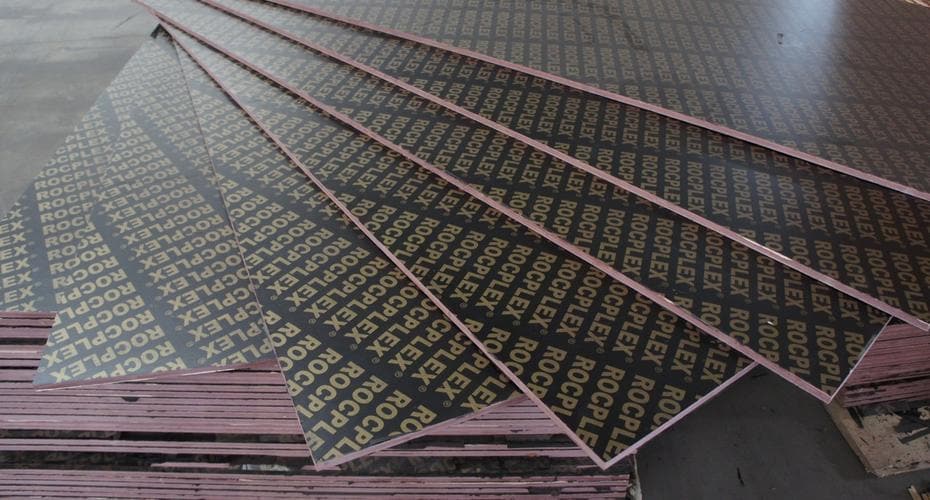
Film Faced Plywood Edge Sealing After Cutting
Film faced plywood edge sealing needs to follow the cutting and drilling plan. Factory edge…
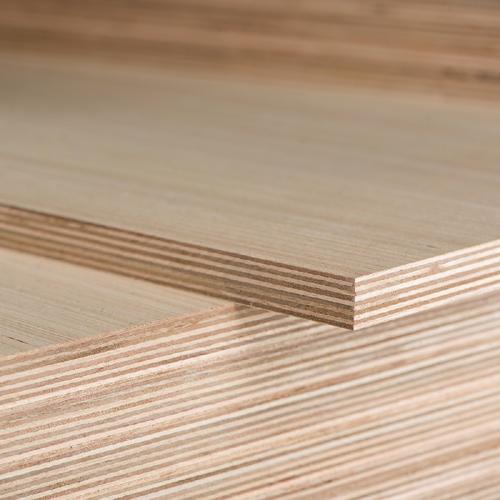
Plywood for Melamine Facing Needs More Than Sanding
Plywood for melamine facing needs more than a smooth touch. Sanding can prepare a face,…
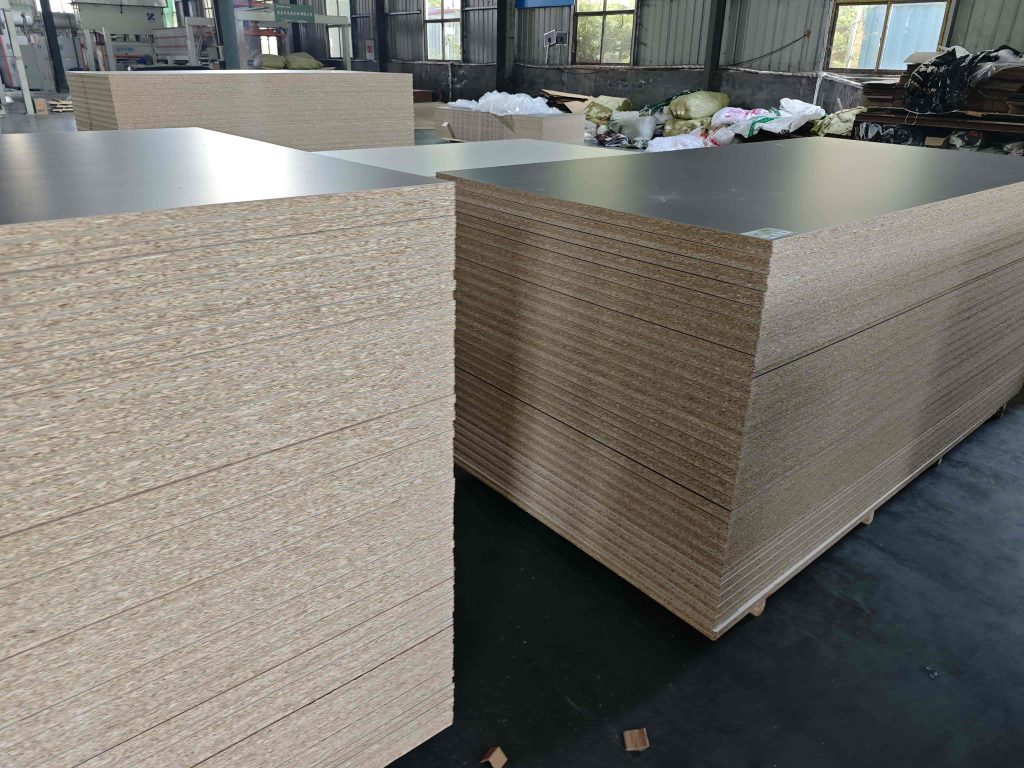
Cleaning Melamine Board Without Damaging the Finish
Cleaning melamine board should start with the supplied care instructions and a gentle method, not…
HDF vs MDF: A Comparison of Strength and Density
Separate density terminology from the forming-route comparison in this article.
How MDF Is Made: Production Controls That Matter to B2B Buyers
Follow the manufacturing steps behind a dry-process MDF sheet.
What Is Melamine Board? Paper, Surface and Substrate
Keep the decorative facing separate from the fibreboard underneath.
Send the current back or insert sample, the required condition of both faces, finished dimensions and the next finishing operation. Momentimber can help clarify suitable MDF or melamine-faced sourcing options. Any alternative board family needs separate availability and suitability confirmation.