

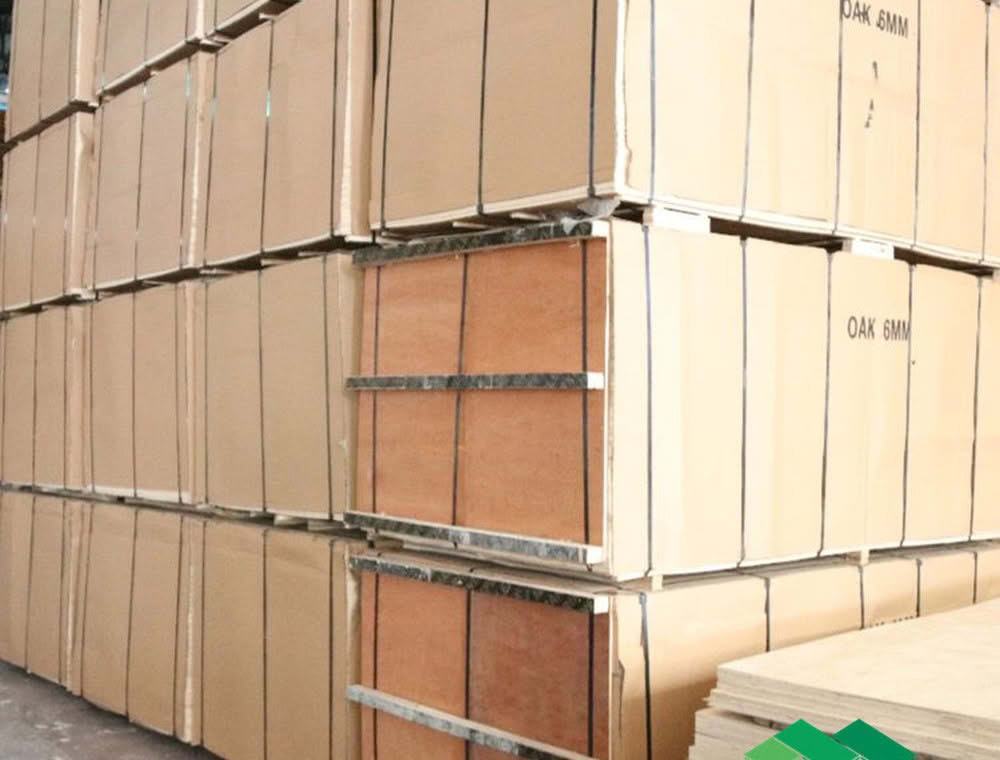
Plywood vs OSB for crates should start with the job of the panel, not the cheapest sheet. A side wall encloses the cargo. A base may also carry concentrated loads, while a lid can become part of a stacking system. The same thickness label does not approve either material for all three roles.
For an importer or packing business, the cost that matters is an approved finished package. A low panel price loses its value if the workshop must change the framing, add protection or remake a weak detail. Compare the material inside the crate design before promising a cheaper substitute.
Key takeaways
Panel type and crate design are separate decisions that must work together.
Match the panel to its support, loading and exposure conditions.
A processed-wood panel does not automatically exempt the raw timber elsewhere in the package.
Plywood vs OSB for Crates Starts with the Panel Build
Raw plywood uses bonded wood veneers. The outer veneers form its face and back; the internal layers form the rest of the panel. Raw or plain describes the absence of an added finish here. It does not establish a bond class, structural rating or one universal packaging grade.
OSB means oriented strand board. It uses wood strands arranged in layers and bonded into a panel. Its visible strand pattern is different from a plywood face veneer. That appearance does not, by itself, prove a weaker package or identify the performance of the offered product.
Both material families contain products made for different requirements. Keep the actual designation and product properties in the enquiry. A regional Commercial Plywood label may describe an unoverlaid board, but it is not a safe shortcut for a particular crate load or exposure requirement.
The APA plywood and OSB overview includes industrial crating among the uses of appropriately specified panels. Its guidance concerns identified wood structural products. It is not a certificate for any sheet that shares the same product name. The useful principle is to select the offered panel for the application.
Give the Walls Lid and Base Separate Jobs
A wall panel encloses the package and works with its framing and connections. The base may receive feet, machinery skids or other concentrated contact points. A lid designed only as a cover should not silently become a surface for stacking another heavy crate. Identify the load path, meaning the route a load takes through the package.
For example, a machine may stand on a timber skid while the panels mainly enclose it. Another package may rely on a panel floor between supports. Those are different designs even if both suppliers call the result a plywood crate. The panel buyer needs the actual detail before comparing materials.
| Crate decision | What to describe | What the panel name cannot answer |
|---|---|---|
| Side and end walls | Frame spacing and panel connections | Adequacy of an unsupported joint |
| Base or floor | Cargo contact points and support arrangement | Safe concentrated-load capacity |
| Lid and stacking | Whether loads pass through the frame or lid | Permission to stack a heavier package |
| Transport exposure | Route, storage and cargo sensitivity | A complete waterproof enclosure |
| Export wood components | Panels, frames, bearers and dunnage | Compliance of a mixed-material assembly |
The ABF packaging guideline illustrates why support and fastening matter for plywood and OSB crates. Its enclosed-crate discussion addresses supported panel edges and connections into framing. It also warns about loads reaching a panel where timber support was needed. These are design concerns, not a universal panel-thickness recipe.
That document concerns a particular carrier environment. Use it to recognize the question, then have the packaging designer apply the relevant project and carrier requirements. Do not copy one fastener spacing, thickness or support distance into every export order.
Surface Requirements Should Follow the Cargo
A crate panel does not normally need a decorative furniture face. It may still need a defined surface condition. Loose material, protrusions or a rough contact area can matter if the panel touches a vulnerable product or liner. Describe the contact and protection layer before paying for a vague better face.
A plywood face can also contain permitted repairs, and an OSB surface has its own texture. Decide whether the surface will contact the goods, hold an essential label or sit behind an independent liner. An ordinary visual difference is not automatically a reason to reject an otherwise suitable packaging panel.
Compare usable parts after cutting. Panel dimensions, squareness and handling damage affect how the workshop obtains the required pieces. A slightly cheaper sheet can lose its advantage if its usable format changes the cut plan or requires extra preparation. This is a conversion cost, separate from the load-bearing approval.
Bond Performance Is Not a Waterproof Package
The guide to plywood glue types explains why the bond description matters. For packaging, relate it to expected exposure and the actual product requirement. Neither a wood species nor a dark glue line independently approves outdoor use.
Likewise, OSB moisture and edge behaviour deserves a separate review. Panel edges, openings and joints remain part of the package. A moisture-related panel classification does not turn the assembled crate into a sealed barrier around the cargo.
The goods may need a liner or another protection system chosen for the journey. Keep that system separate from the structural panel decision. A crate can be strong enough for handling while still providing unsuitable moisture protection. Conversely, adding a barrier does not correct an inadequate support detail.
Check the Whole Export Package for ISPM 15
The IPPC ISPM 15 page distinguishes raw-wood packaging from processed material such as plywood. ISPM 15 addresses pest risk, not crate strength or protection from rain. Keep that purpose clear before describing an export package as compliant.
The Australian agriculture authority explanation lists packaging made wholly from qualifying processed wood, including plywood and OSB, among the exemptions. A mixed crate can still contain raw-wood framing, bearers or dunnage that needs attention. The panel choice alone cannot settle the status of those components.
Have the responsible packaging and logistics parties review the destination requirements and the whole assembly. Check who supplies and identifies any regulated timber and who may apply the appropriate mark. Do not assume a mark on a separate pallet certifies every added crate member. This is a component review, not a panel-name shortcut.
Compare the Complete Supply Route
Importers should compare named panels against the approved crate requirement and delivered dimensions. A distributor should separate general stock from material accepted for a specific packing program. The downstream crate maker needs to retain the framing and fastening detail when proposing a panel substitution.
For price comparison, include material, usable cut output, necessary preparation and any approved design changes. Also account for the protection and handling that the complete package requires. It is more useful to price two workable packages than one workable design against a cheaper but unapproved sheet.
The About Momentimber page explains the specification-coordination role. For a packing enquiry, the most useful starting material is a drawing and a clear panel job. The next discussion can then address the suitable plywood or OSB offer without pretending that the board supplier alone has approved the entire shipping package.
Frequently Asked Questions
Related Reading
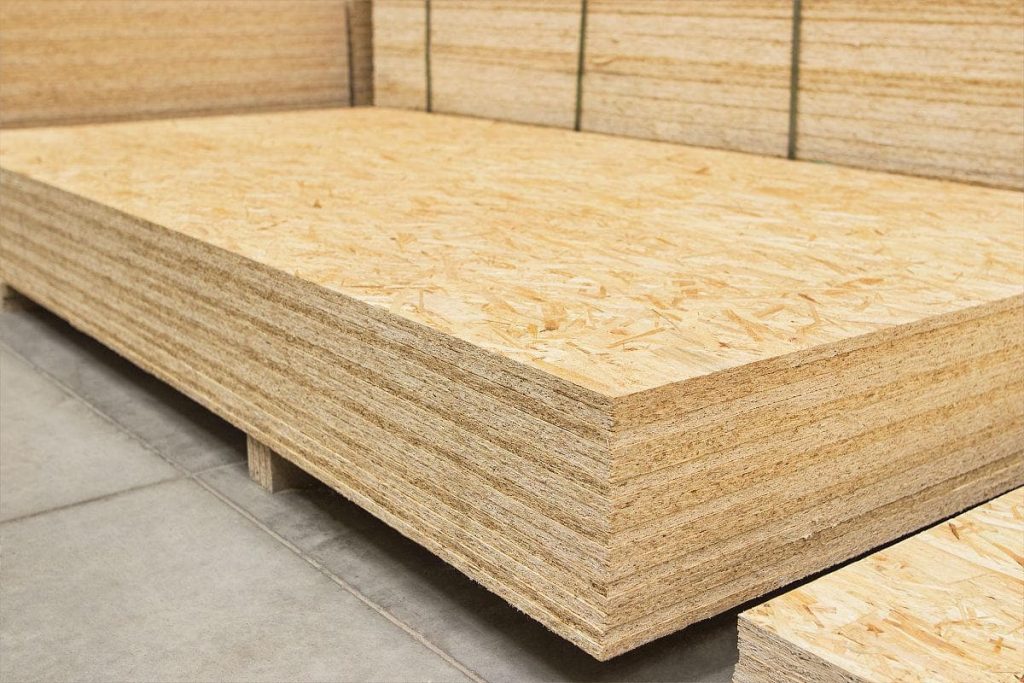
Sanded OSB for Furniture Still Needs a Finish Plan
OSB material reference only; sanding quality and the final finish need separate approval. Sanded OSB…
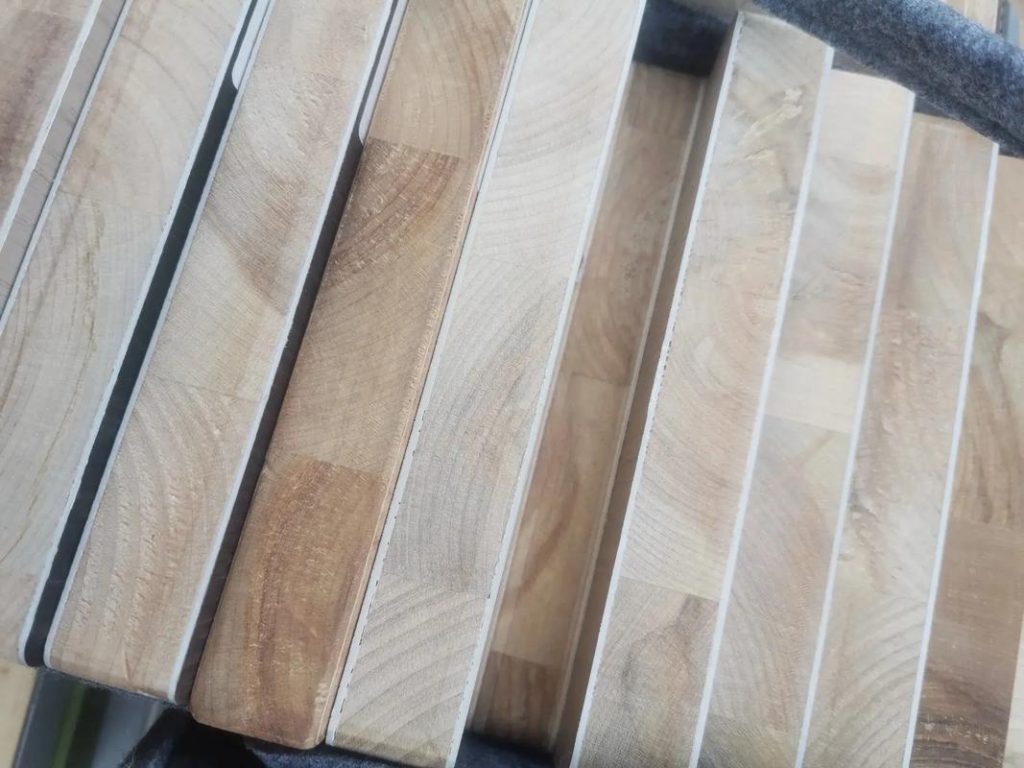
Blockboard vs Finger Joint Board for Furniture Buyers
A visible timber-strip core does not make the finished panel the same as an exposed…

Synchronized Melamine Board Goes Beyond the Print
Woodgrain design reference only. A flat image cannot demonstrate EIR texture or alignment. Synchronized melamine…
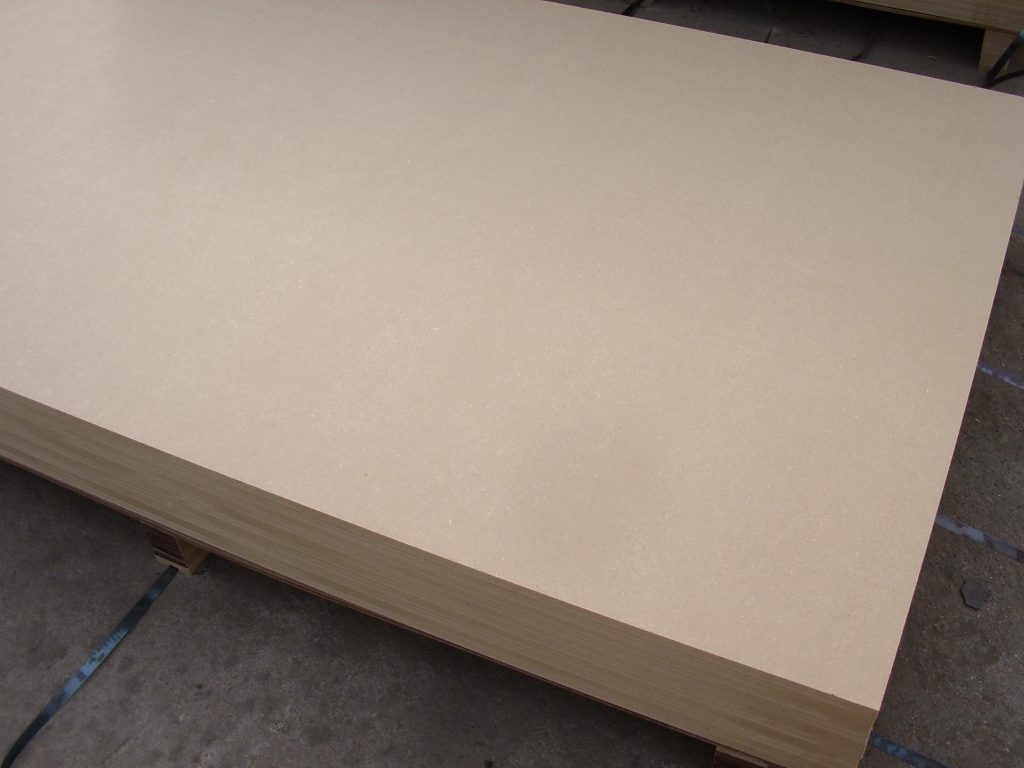
Lightweight MDF vs Standard MDF for Furniture Parts
Panel appearance alone does not identify a lightweight MDF grade. Lightweight MDF can make a…
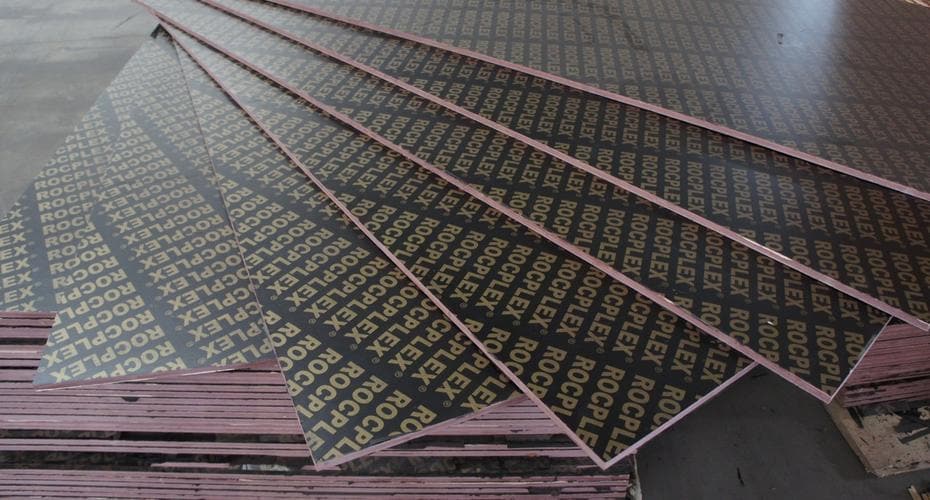
Film Faced Plywood Edge Sealing After Cutting
Film faced plywood edge sealing needs to follow the cutting and drilling plan. Factory edge…
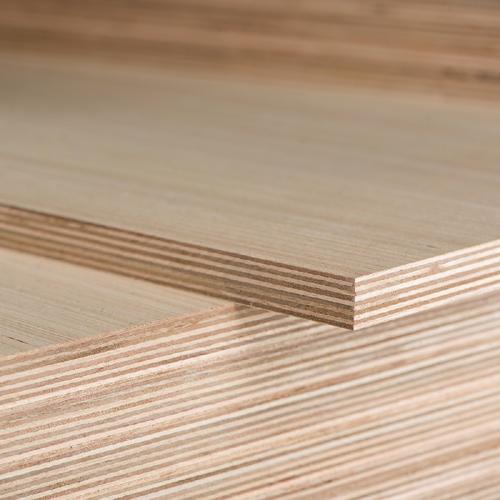
Plywood for Melamine Facing Needs More Than Sanding
Plywood for melamine facing needs more than a smooth touch. Sanding can prepare a face,…
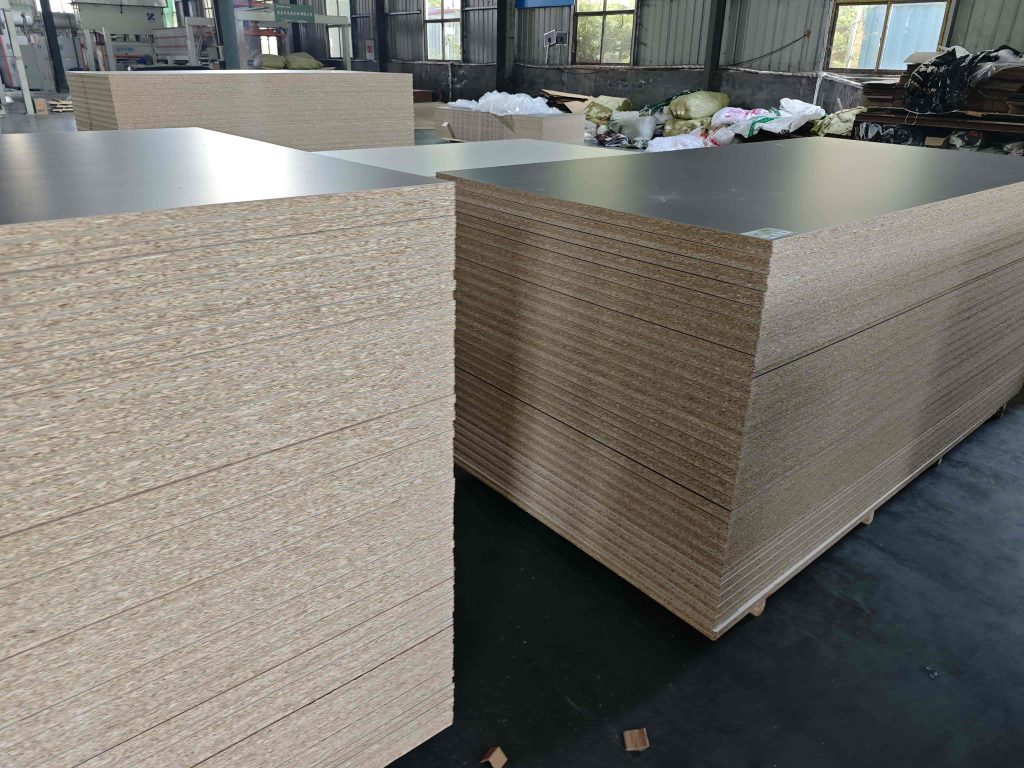
Cleaning Melamine Board Without Damaging the Finish
Cleaning melamine board should start with the supplied care instructions and a gentle method, not…
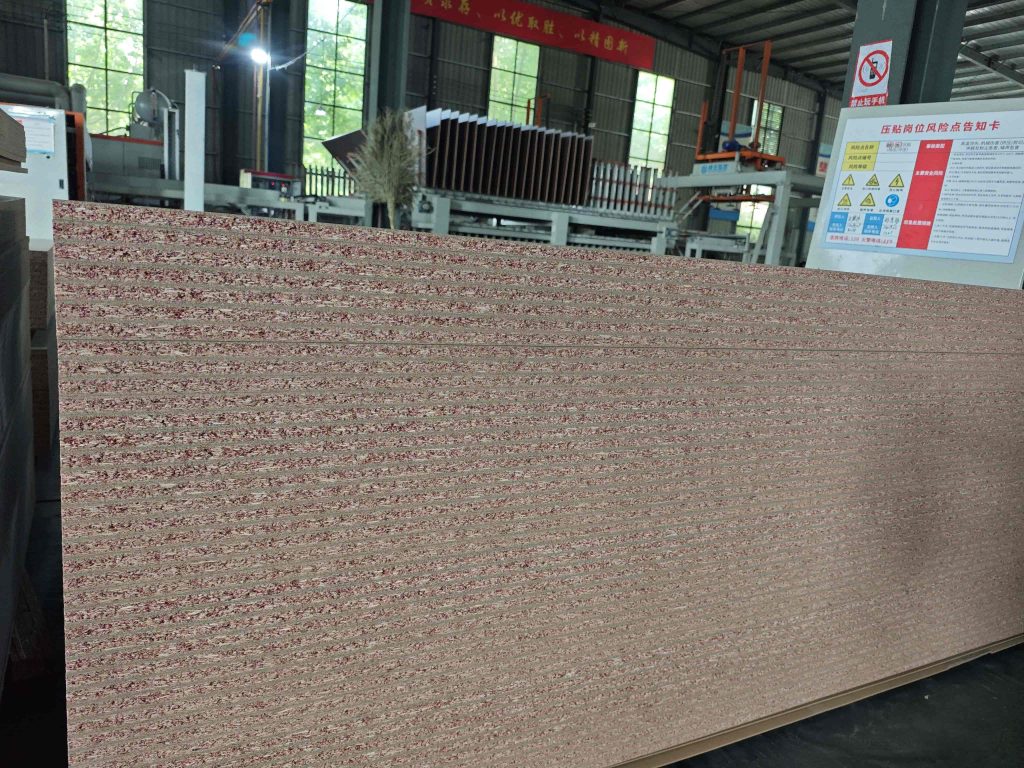
Particleboard Worktops vs Ordinary Cabinet Board
Particleboard worktops can have a chipboard core without being the same product as an ordinary…
What Is Plywood
Understand the veneer-based panel before selecting its crate role.
Plywood Thickness Tolerance
Keep the delivered panel dimension separate from a nominal thickness label.
OSB Edge Swell and Moisture
Review exposure and edge behaviour when planning transport protection.
Sourcing plywood or OSB for industrial packing? Send the crate drawing, panel sizes, required performance, transport exposure and destination. Momentimber can discuss panel specification matching and export preparation; the packaging designer and responsible logistics parties must approve the complete crate and compliance arrangements.