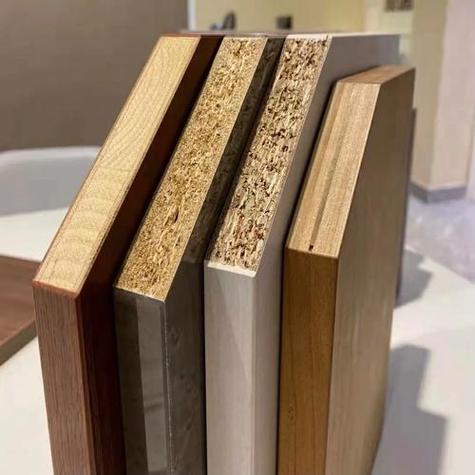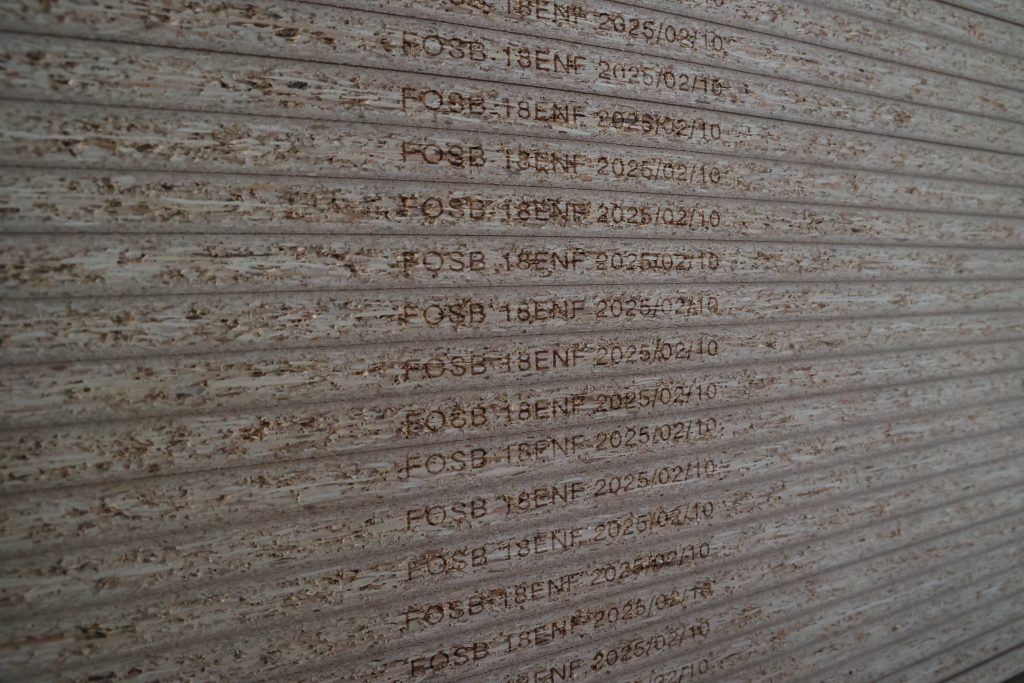

Melamine Board

Blockboard Density and Weight: Why Two 18 mm Sheets Differ

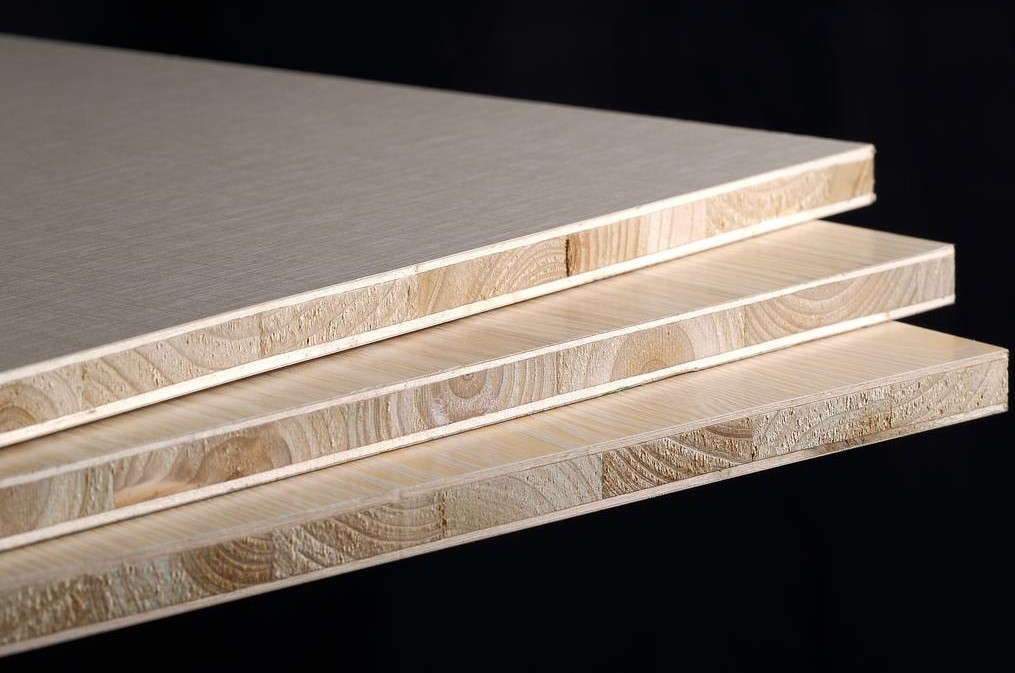
Two suppliers offer 18 mm blockboard. One sheet feels noticeably lighter, and the buyer asks which offer has the better quality. Blockboard density means the mass of a board divided by its volume, usually expressed in kilograms per cubic meter. It can explain part of that weight difference. It cannot, by itself, tell an importer […]

Blockboard Density and Weight: Why Two 18 mm Sheets Differ Read More »
Blockboard Telegraphing: Why Core Lines Show Through Melamine

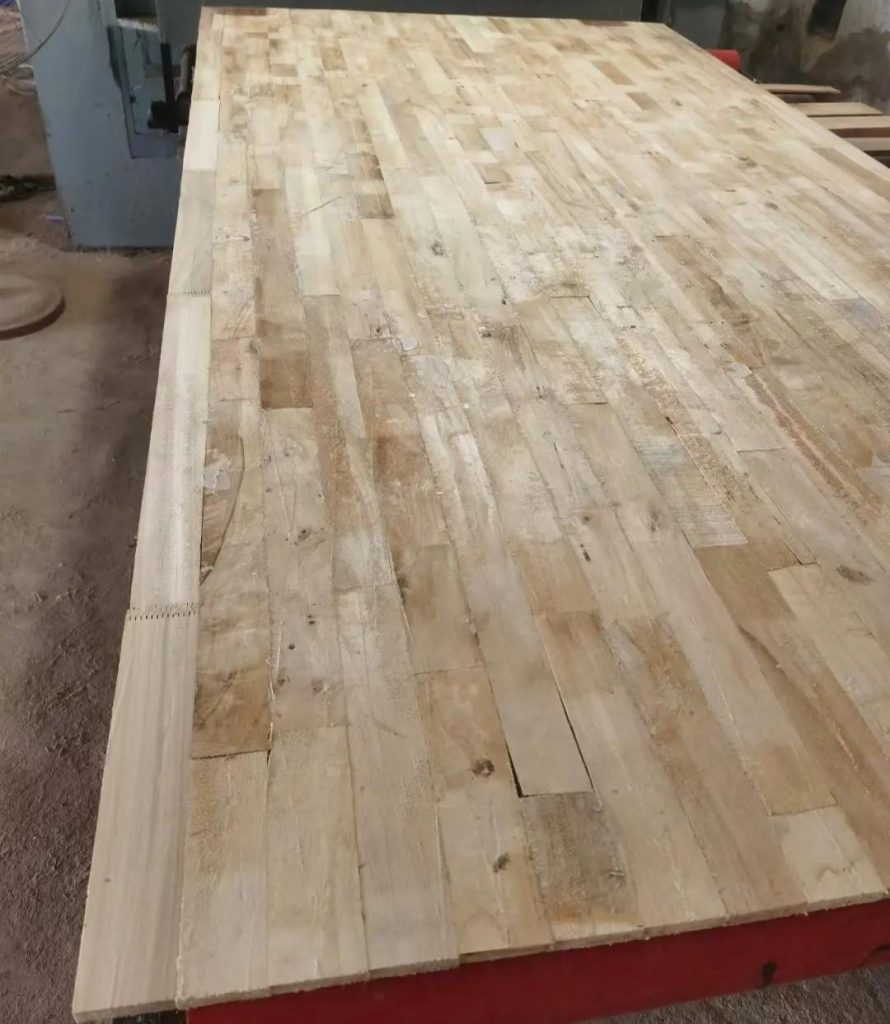
A distributor opens a pack of white melamine blockboard. Seen straight on, the sheets look clean. When a full panel is stood beside a window, faint parallel lines appear across the face. The furniture buyer worries they will show on every wardrobe door. Blockboard telegraphing means that the core-strip pattern or unevenness beneath the face

Blockboard Telegraphing: Why Core Lines Show Through Melamine Read More »

P2 vs P3 Particleboard: What Cabinet Importers Should Specify

Two offers arrive for the same 18 mm cabinet board. One says P2. The other says P3 and costs more. Both show a white melamine face. Should the importer pay for the upgrade? In a P2 vs P3 particleboard comparison, start with where the cabinet part will work. The grade decision concerns the substrate and

P2 vs P3 Particleboard: What Cabinet Importers Should Specify Read More »

Melamine Board Finish: How Distributors Build a Sellable Decor Range

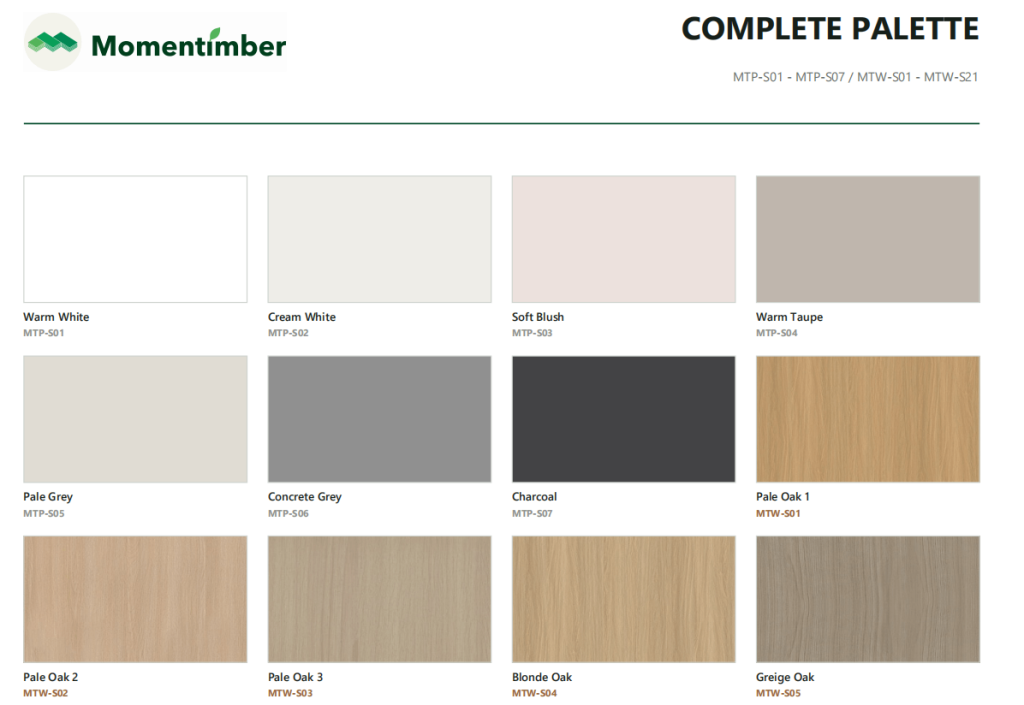
A distributor can fill a warehouse with attractive boards and still have a weak product range. One oak decor may sell only when the matching edge band is available. One white board may look clean under warehouse lighting but read warmer than the cabinet doors in a showroom. A low-price grey may sit for months

Melamine Board Finish: How Distributors Build a Sellable Decor Range Read More »

Particleboard Thickness Tolerance: Why Cabinet Parts Stop Fitting

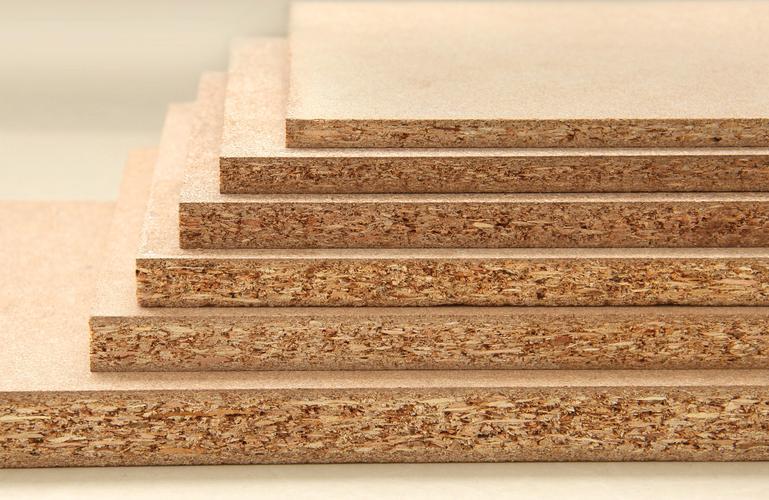
A cabinet factory receives an order labelled “18 mm melamine chipboard.” The decor is approved, the board is flat, and the price looks right. Yet drawer runners need adjustment, a connector sits too close to the face, or an edge-band machine needs a new setting. The board did not necessarily fail. The order simply did

Particleboard Thickness Tolerance: Why Cabinet Parts Stop Fitting Read More »

Melamine Board Repeat Orders: Why Matching Decor Can Still Miss Cabinet Fit

A customer sends a photo of a cabinet door and says, “Please repeat the same oak decor.” The new sheets arrive with a close-looking face, yet the workshop finds that the doors sit proud, the drilling depth changes, or the edge band no longer closes neatly. This is a common melamine board repeat orders problem.

Melamine Board Repeat Orders: Why Matching Decor Can Still Miss Cabinet Fit Read More »

Melamine Board Orders: Why the Same Decor Can Arrive With a Different Texture

A distributor reorders a fast-moving oak decor. The name and print look familiar in the quotation, yet the new boards feel smoother, reflect more light and no longer sit naturally beside the previous cabinet doors. The shipment may not be defective. Still, the customer sees a mismatch. That is why a melamine board texture repeat

Melamine Board Orders: Why the Same Decor Can Arrive With a Different Texture Read More »

Melamine Board Substrate Change: What Changes?

A distributor may have a decor that already sells: the customer likes the color, the edge band is available and sample furniture looks right. Then the original substrate becomes expensive, slow to source or unavailable. Changing the core can look like a simple substitution. It is not. A melamine board substrate change can preserve an

Melamine Board Substrate Change: What Changes? Read More »

Three Layer Particleboard: Surface vs Core Quality

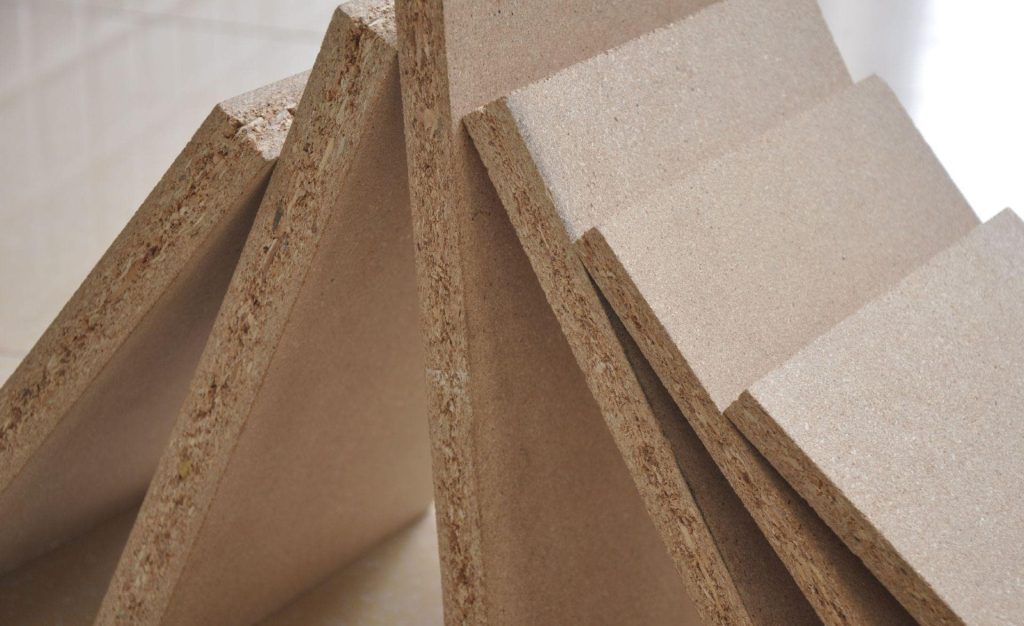
A three layer particleboard can have a clean, smooth face and still disappoint after drilling, hardware assembly or a moisture incident. That is not a contradiction. The fine surface layer, transition layer and coarser core perform different jobs, so a buyer should not approve a furniture board from the face alone. For an importer or

Three Layer Particleboard: Surface vs Core Quality Read More »

Scroll to Top