
Blockboard

Blockboard vs Finger Joint Board for Furniture Buyers

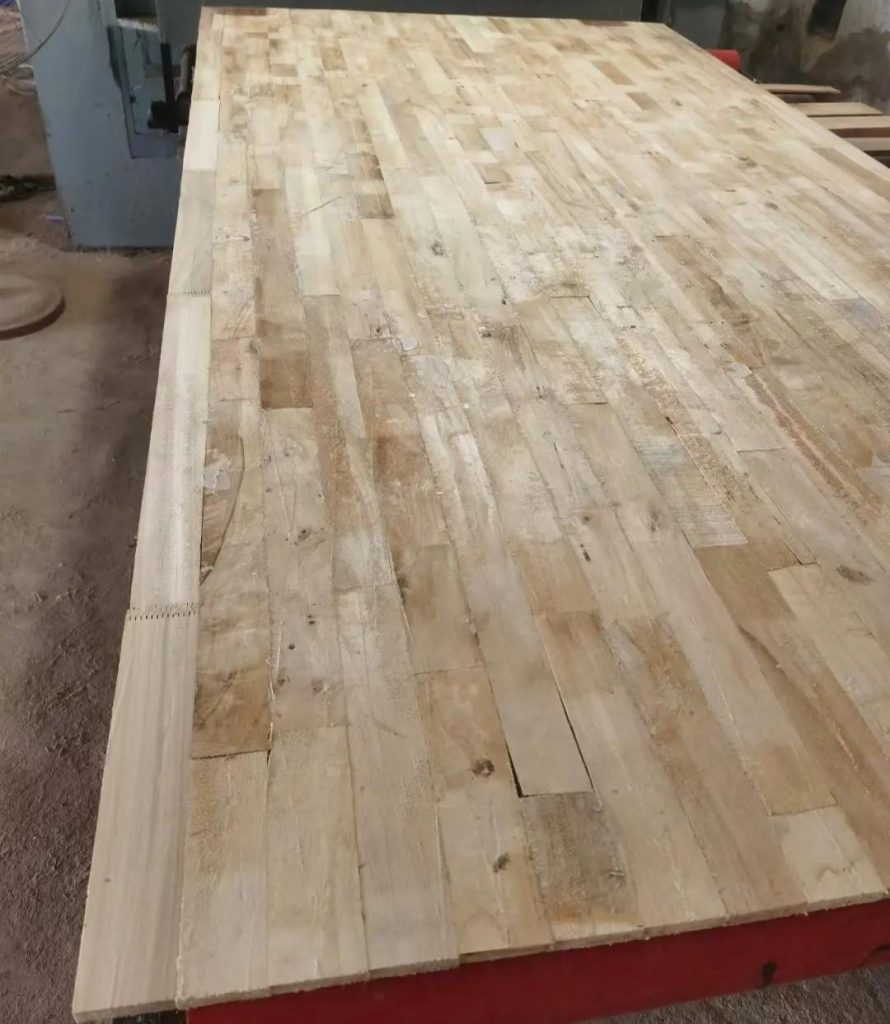
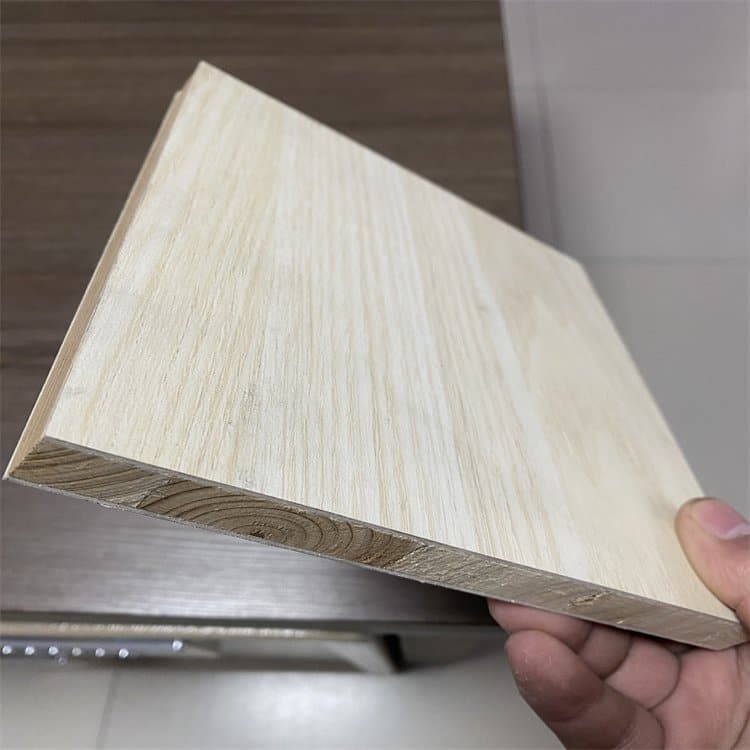
Blockboard vs finger joint board is not simply a comparison of two ways to glue wood strips. A finger joint is an end joint that connects shorter wood pieces. Blockboard is a panel construction. Although both can contain joined timber, their complete build-up, visible surfaces and finishing work can differ. Imagine receiving two quotations for […]

Blockboard vs Finger Joint Board for Furniture Buyers Read More »
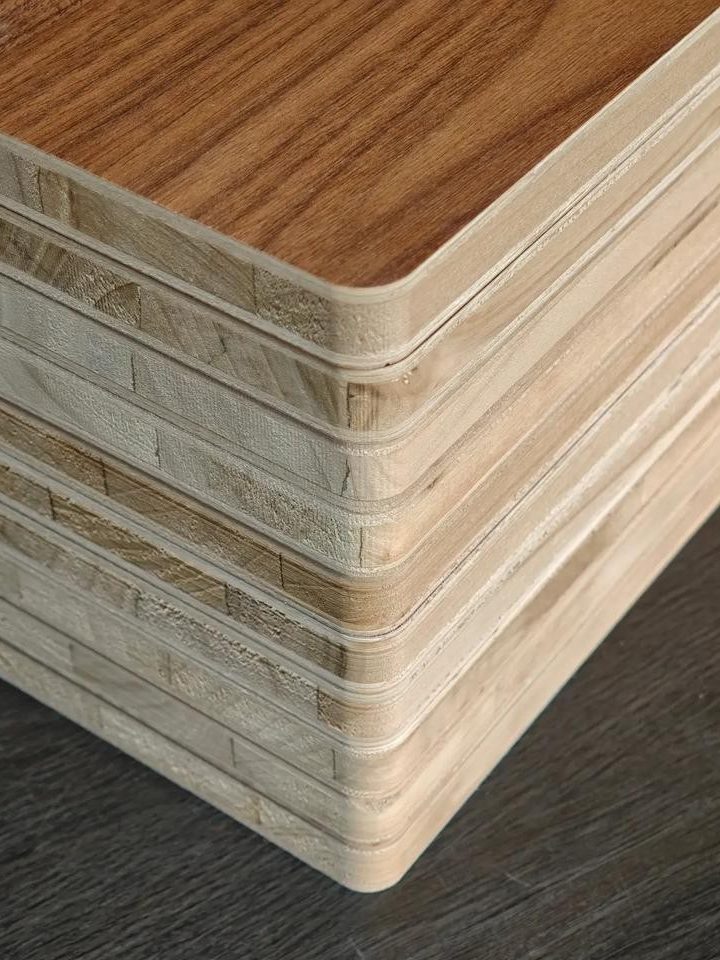
Blockboard Layers Explained from Core to Melamine Face

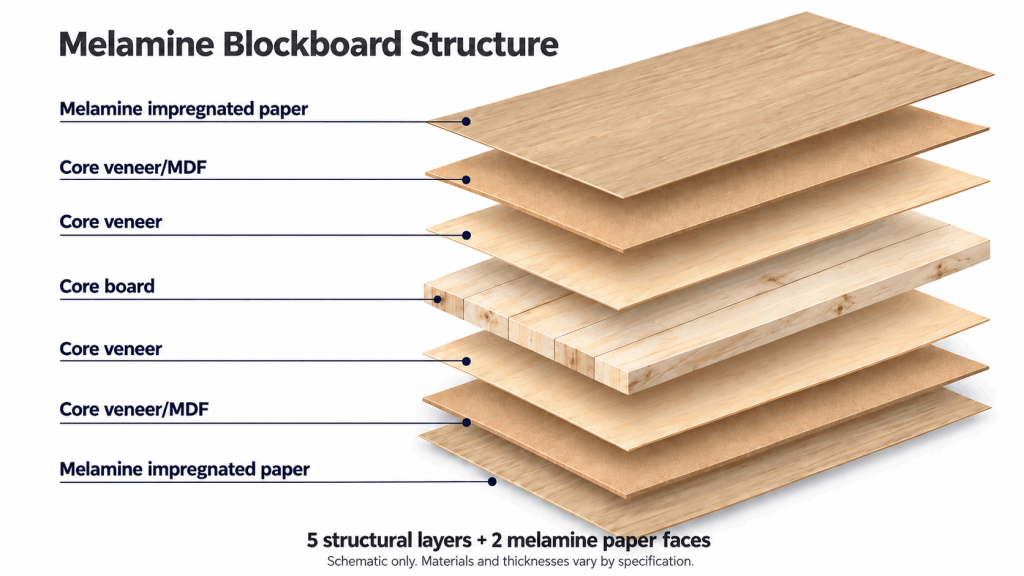
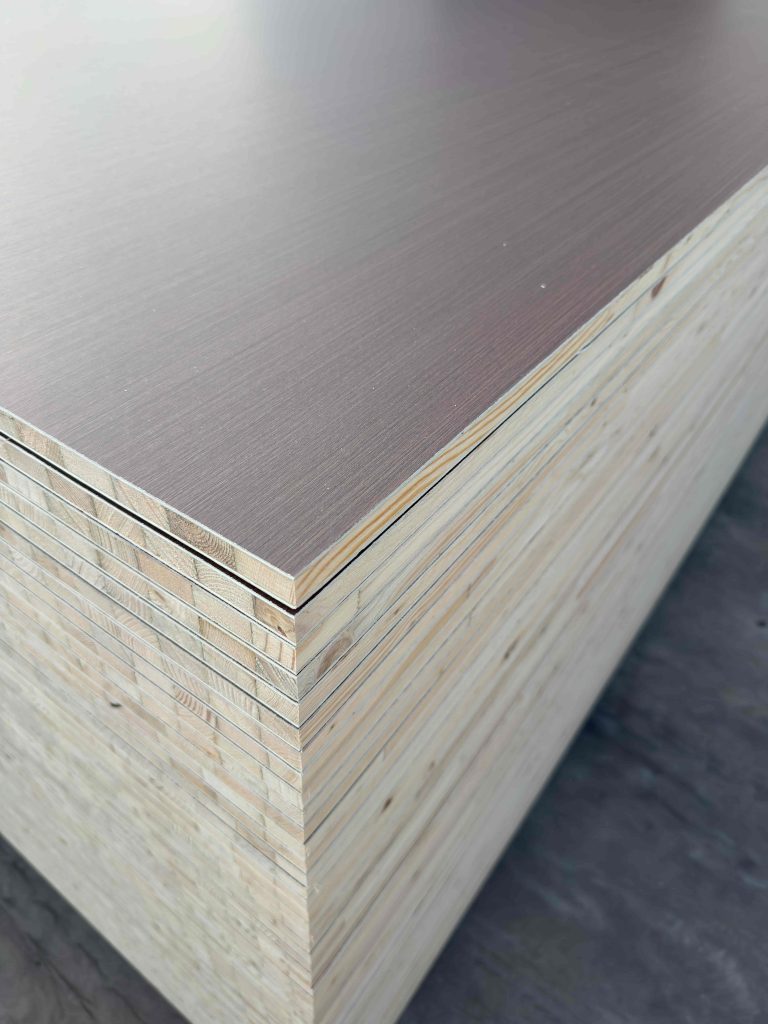
Blockboard layers become much easier to compare once you separate three things: the timber-strip centre, the materials supporting its faces, and the decorative surface. A five-layer description does not mean five identical sheets. Nor does a three-layer description necessarily count every thin veneer inside a pre-made carrier. This distinction matters when two offers name the

Blockboard Layers Explained from Core to Melamine Face Read More »

Blockboard Density and Weight: Why Two 18 mm Sheets Differ

Two suppliers offer 18 mm blockboard. One sheet feels noticeably lighter, and the buyer asks which offer has the better quality. Blockboard density means the mass of a board divided by its volume, usually expressed in kilograms per cubic meter. It can explain part of that weight difference. It cannot, by itself, tell an importer

Blockboard Density and Weight: Why Two 18 mm Sheets Differ Read More »

Blockboard Telegraphing: Why Core Lines Show Through Melamine

A distributor opens a pack of white melamine blockboard. Seen straight on, the sheets look clean. When a full panel is stood beside a window, faint parallel lines appear across the face. The furniture buyer worries they will show on every wardrobe door. Blockboard telegraphing means that the core-strip pattern or unevenness beneath the face

Blockboard Telegraphing: Why Core Lines Show Through Melamine Read More »

Blockboard Core Direction: How It Changes Cutting Plans and Door Stability

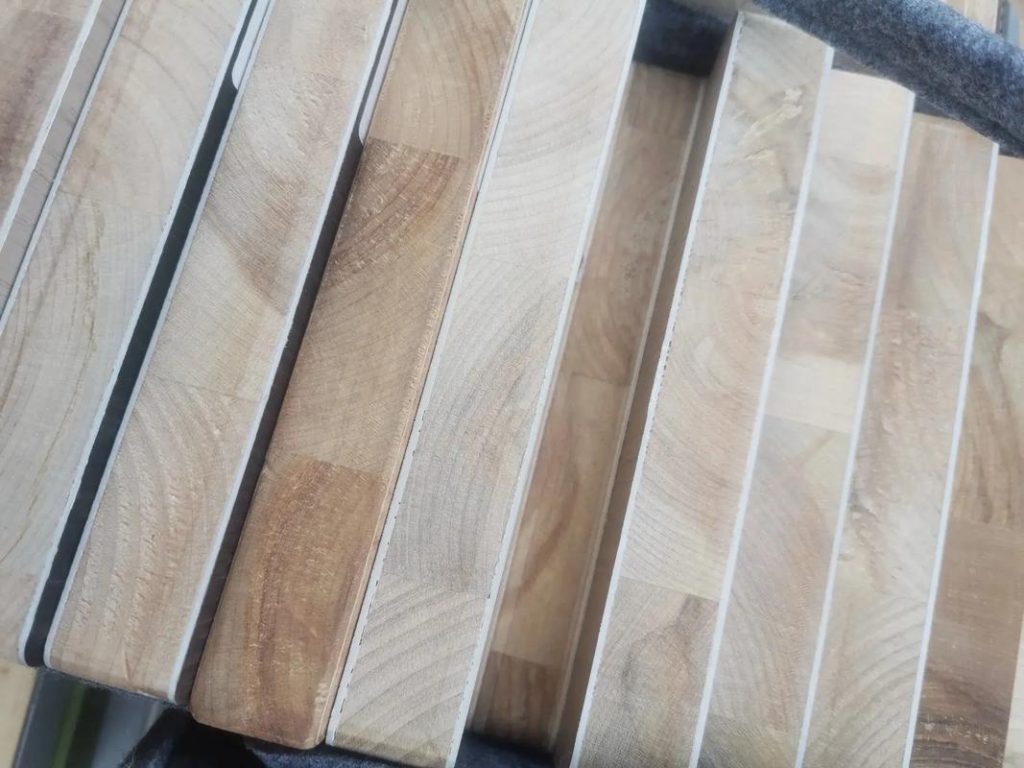
A furniture buyer may send a cut list that says only “18 mm blockboard, oak melamine.” The supplier can make a panel that looks right on the face, but the workshop later finds a different edge pattern, awkward screw zones, poor nesting yield or doors that do not behave like the approved sample. The missing

Blockboard Core Direction: How It Changes Cutting Plans and Door Stability Read More »

Blockboard Door Warping: Why Flat Samples Twist After Delivery

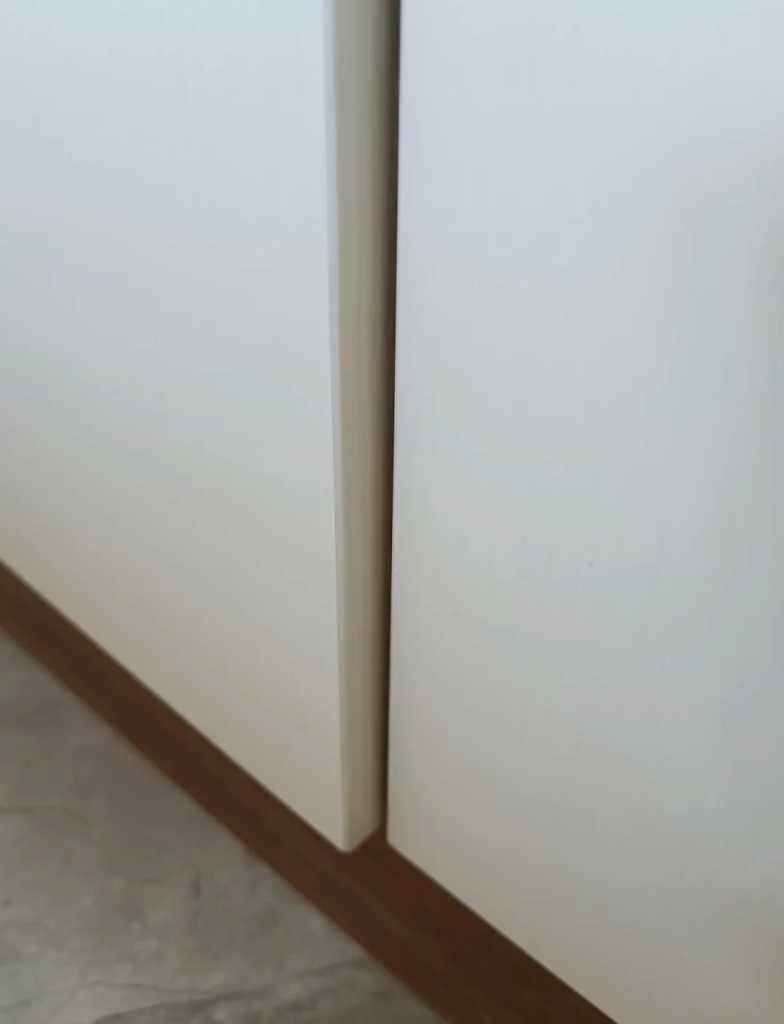
The hand sample was flat. The first finished door was flat too. Then the container reached the cabinet factory, the panels sat near an open loading bay, and several tall doors started to twist. A blockboard door warping complaint often becomes a simple accusation against the board. That is too early. A large door reflects

Blockboard Door Warping: Why Flat Samples Twist After Delivery Read More »

Scroll to Top