

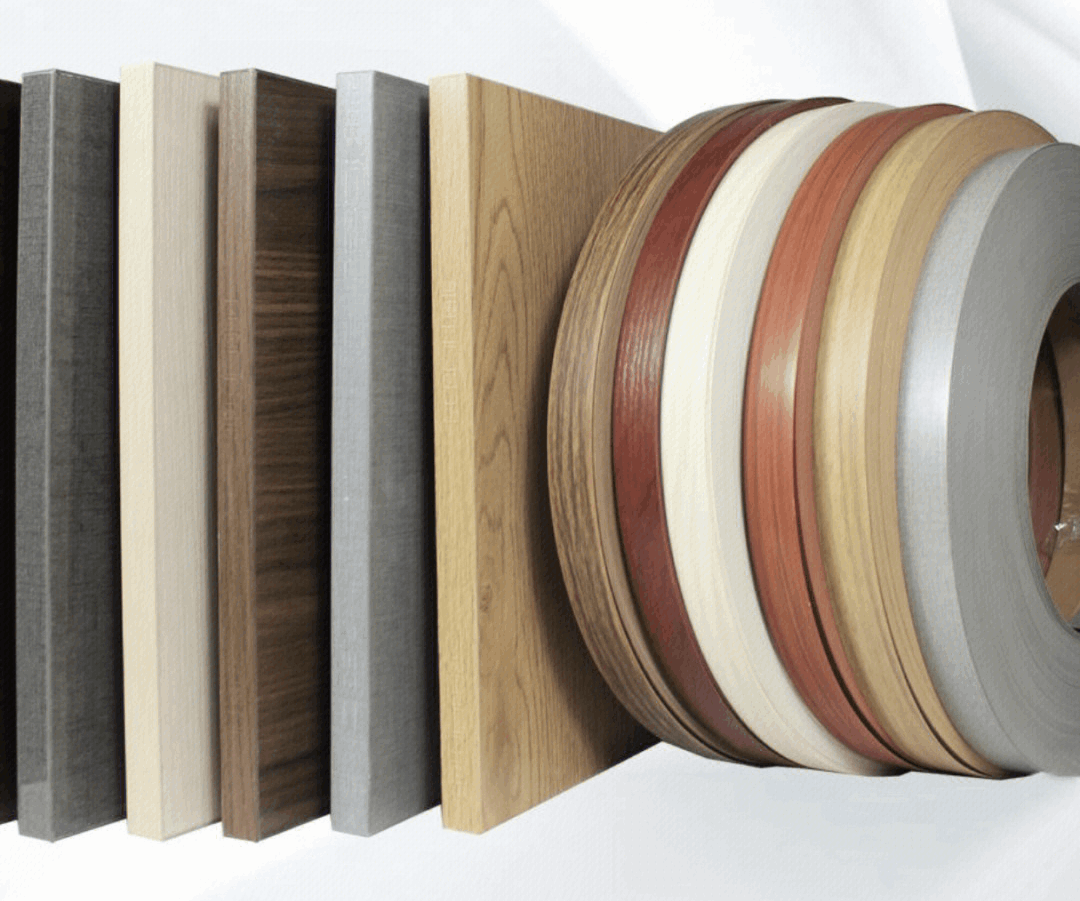
Melamine blockboard edge banding needs a plan because the decorative face does not finish a newly cut edge. Edge banding means attaching a finishing strip to that edge. Visible furniture edges usually need a defined appearance. Hidden edges still need a decision based on exposure and construction. Do not assume that every hidden edge can be left untreated, or that every edge needs the same decorative strip.
Start With the Cut Edge, Not the Decor
A blockboard panel has an internal strip core and supporting layers. Cutting exposes that construction. Check the actual cut before approving the finish; a clean top face cannot show the condition of an edge beneath it.
In melamine-faced boards, resin-impregnated decorative paper forms the surface system. The NEN overview of EN 14322 identifies decorative melamine-faced interior boards. That surface description is not a promise that every cut, joint and hole is sealed.
For the enquiry, mark which sides are visible and which will be hidden. Show any groove, hole or joint near the edge. This helps the processor choose a finish that suits the actual part.
Which Melamine Blockboard Edges Need Attention?
| Component edge | Buying decision | Useful check |
|---|---|---|
| Visible door or shelf edge | Agree the decorative finish and finished size. | Approve a real banded component. |
| Hidden edge near a damp area | Agree suitable protection for the exposure. | Check joints and holes as well as the edge. |
| Edge inside a dry, covered joint | Confirm the construction and treatment with the maker. | Do not omit a detail just because it is hidden. |
| Damaged or chipped cut | Resolve the cut condition before finishing. | Compare an identified fresh cut and the reference. |
Plastic edge strips are one possible decorative finish. Other component designs may use another agreed treatment. The choice belongs to the construction and application, not only the decor name. Ask the processor to confirm what will be supplied.
The USDA Wood Handbook explains that wood exchanges moisture with surrounding air. That general principle is a reason to consider exposure. It does not set an edge-banding rule or make a banded panel waterproof.
Approve One Finished Component
Use the blockboard cutting guide if the exposed edge is chipped. A finishing strip should not be treated as a cure for every cut defect. Check the surface where the strip will attach before covering it.
Ask for a representative component made from the proposed panel. Check the visible finish, corners and joints. Keep the approved piece or clear labelled photos. A loose strip beside a board sample does not show the completed edge.
Also agree whether the required size is before or after banding. The finishing strip adds to the component dimensions. Keep that distinction on the drawing so the workshop does not cut to the wrong basis.
Keep the Edge Plan With the Repeat Order
Label each edge on the component drawing. Record the strip reference or other treatment, visible faces and finished dimensions. Ask for confirmation before the board or edge system is changed. This is simpler than explaining a different cabinet finish after delivery.
Momentimber can coordinate board matching and sample review. Our company introduction explains the supplier role. Clear edge drawings let the board producer, importer and furniture shop work from the same requirement.
Frequently Asked Questions
Related Reading
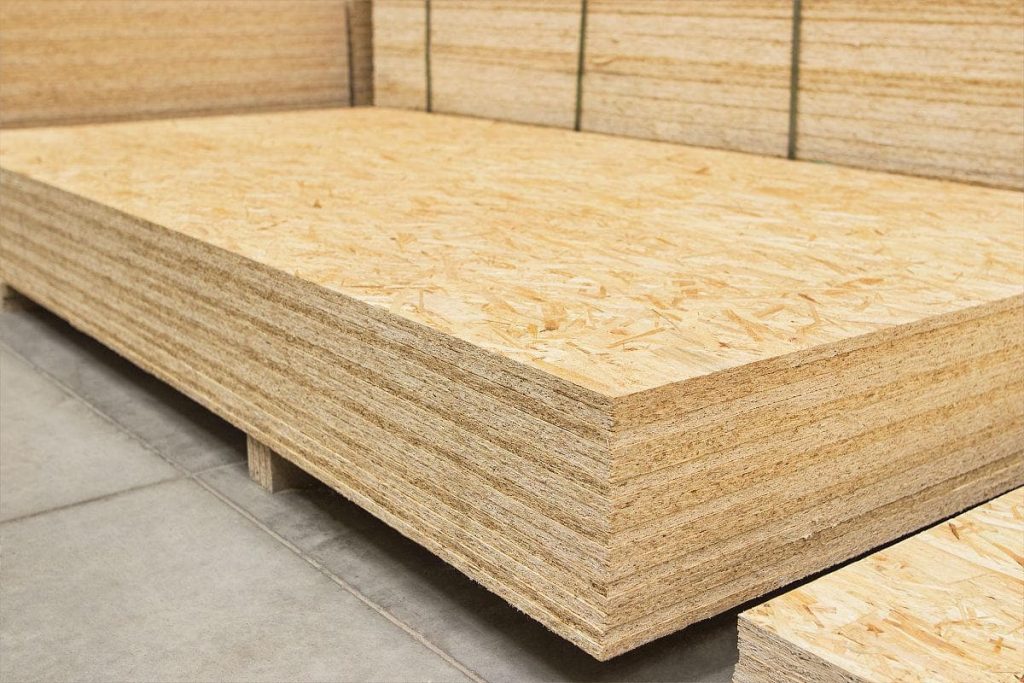
Sanded OSB for Furniture Still Needs a Finish Plan
OSB material reference only; sanding quality and the final finish need separate approval. Sanded OSB…
Plywood vs OSB for Crates Is More Than a Price Choice
Protected panel bundles are a supply-stage reference, not an approved design for a shipping crate….
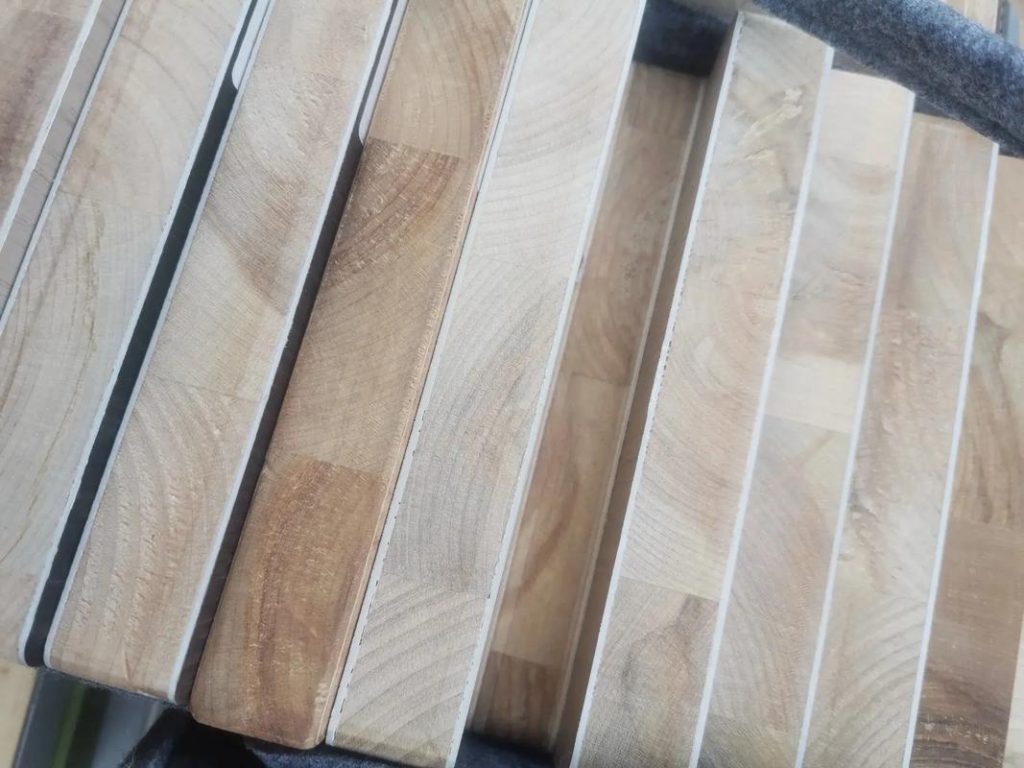
Blockboard vs Finger Joint Board for Furniture Buyers
A visible timber-strip core does not make the finished panel the same as an exposed…
Synchronized Melamine Board Goes Beyond the Print
Woodgrain design reference only. A flat image cannot demonstrate EIR texture or alignment. Synchronized melamine…
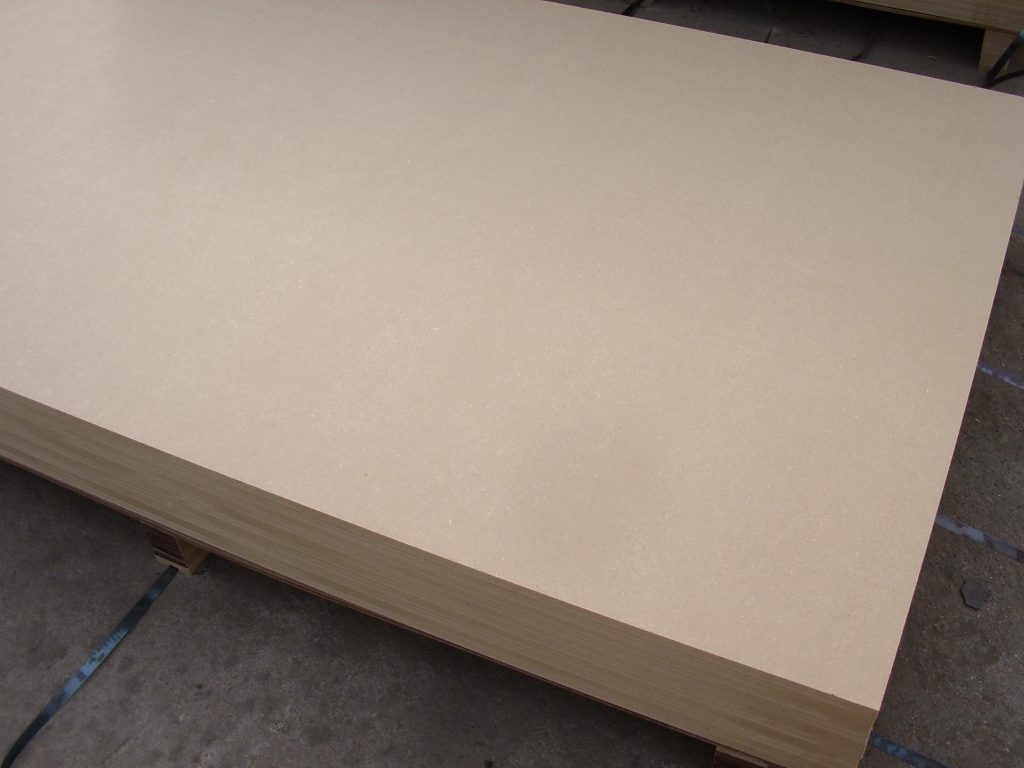
Lightweight MDF vs Standard MDF for Furniture Parts
Panel appearance alone does not identify a lightweight MDF grade. Lightweight MDF can make a…
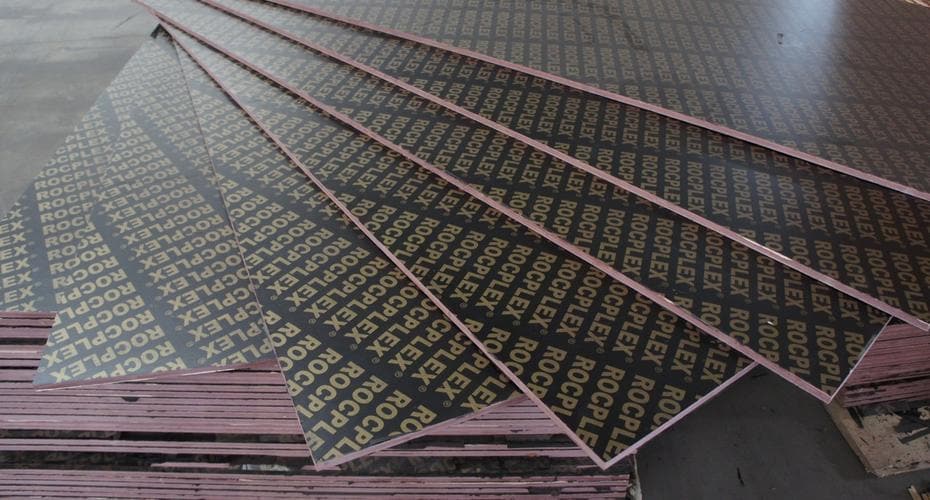
Film Faced Plywood Edge Sealing After Cutting
Film faced plywood edge sealing needs to follow the cutting and drilling plan. Factory edge…
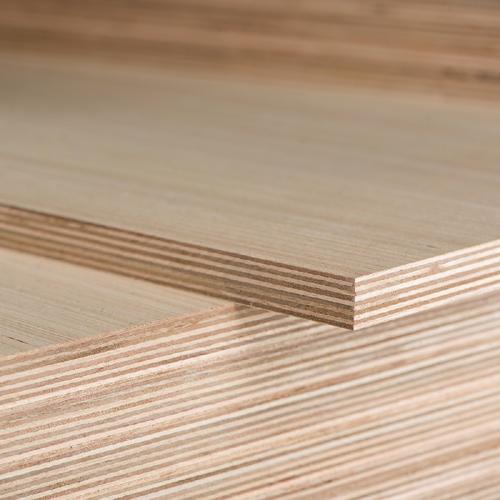
Plywood for Melamine Facing Needs More Than Sanding
Plywood for melamine facing needs more than a smooth touch. Sanding can prepare a face,…
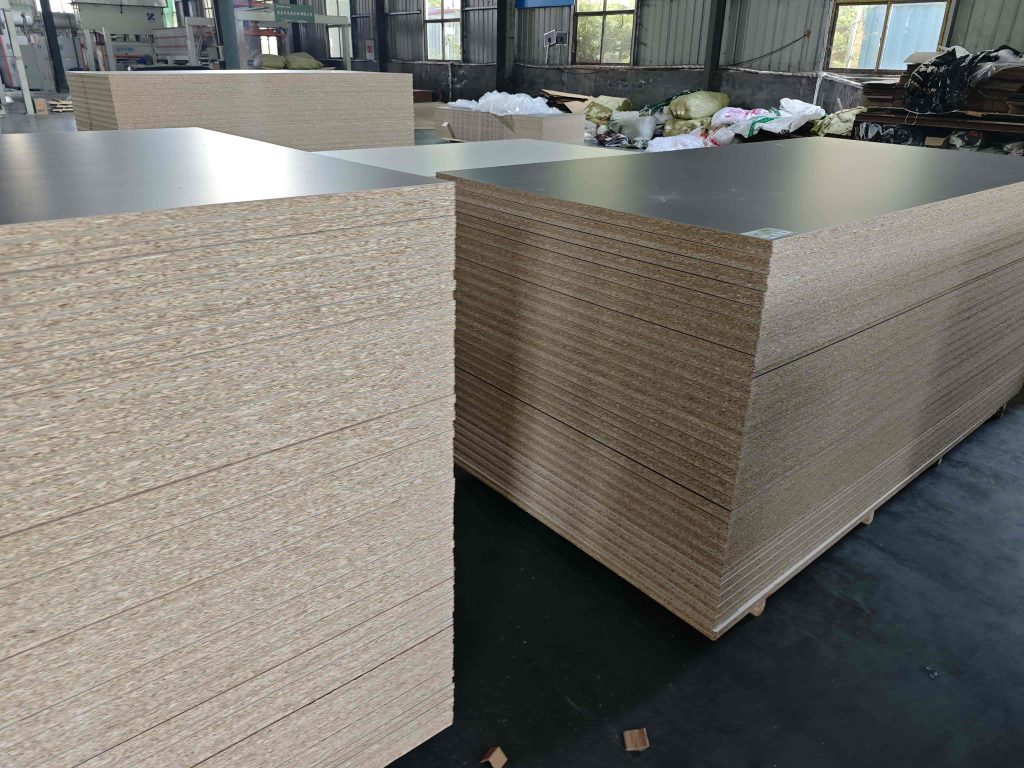
Cleaning Melamine Board Without Damaging the Finish
Cleaning melamine board should start with the supplied care instructions and a gentle method, not…
Melamine Blockboard Cutting: Why Edges Chip
Check the edge before choosing how to finish it.
Blockboard Core Direction and Cutting Plans
Mark direction and component edges before the sheet reaches the saw.
Melamine Blockboard vs MFC for Wardrobes
Match the substrate and finishing plan to the furniture part.
Send the component drawing with visible edges, finished size and intended use marked. We can help match the melamine blockboard and edge requirements before quoting.