

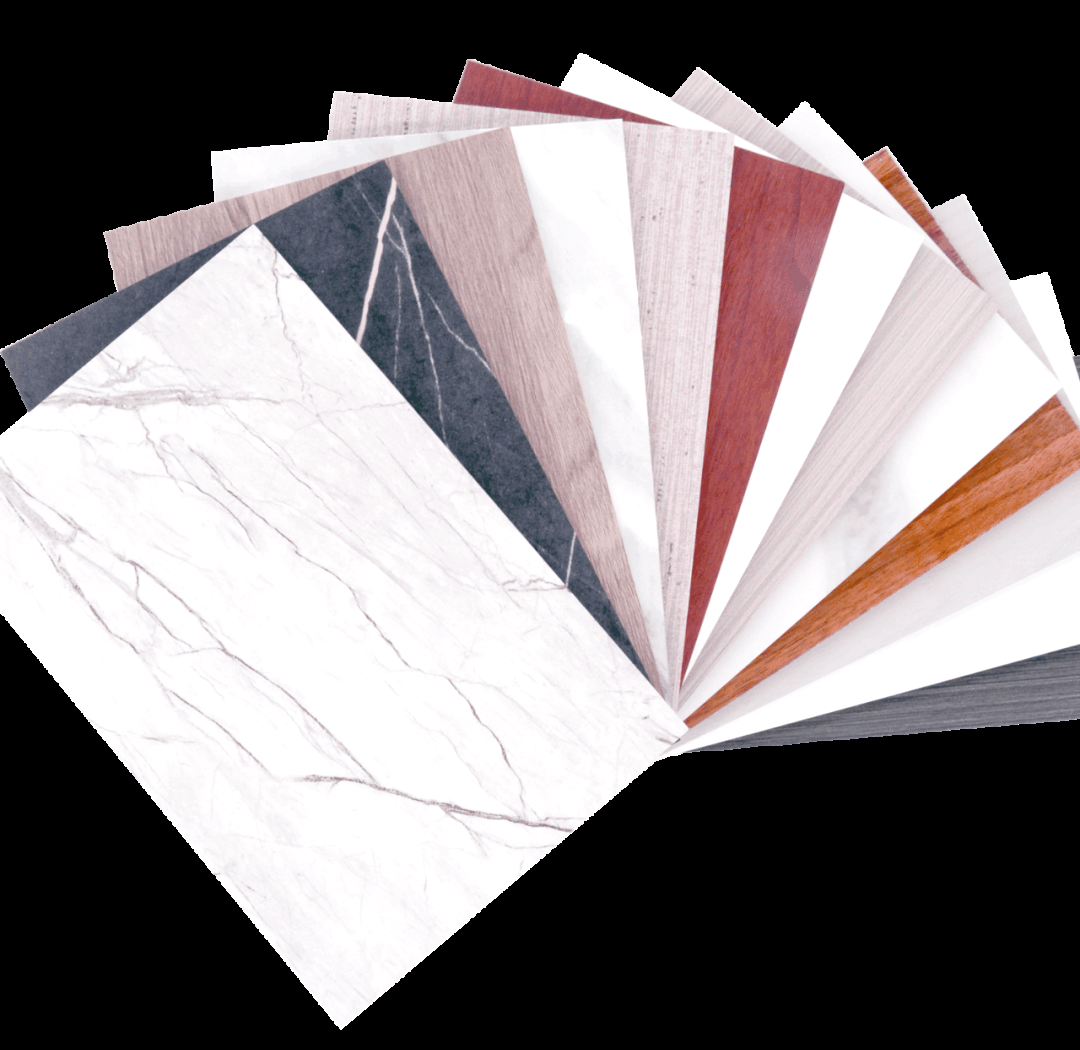
Melamine vs PVC is a comparison between surface systems, not automatically between two different board cores. Melamine-faced MDF uses a resin-paper surface. PVC-faced MDF uses a polymer foil. For a cabinet buyer, the useful starting question is whether the customer needs a flat sheet, a flat door with finished edges, or a shaped door front.
Those products involve different work. A flat faced sheet still needs cutting and edge treatment. A membrane-wrapped front normally starts as an already machined component. Comparing their sheet prices without naming the supply stage can make a sensible finishing route look expensive, or an incomplete offer look cheap.
What Melamine Means on a Cabinet Panel
A melamine-faced board carries resin-impregnated decorative paper on its substrate. The paper supplies the selected printed appearance, while pressing forms the finished surface. The term melamine here names that facing system, not a solid plastic sheet through the full thickness of the panel.
The EPF explanation of melamine-surfaced MDF identifies this resin-paper route. Its role differs from a separate thermoplastic foil. A melamine sheet can have a plain colour or a woodgrain decor, with its selected texture and gloss. The printed timber appearance does not establish the wood species underneath.
For a straightforward slab door, this route can deliver the broad decorative face before the workshop cuts the final part. The workshop then completes the specified edge treatment and fittings. That sequence suits a different production setup from machining a raw door and wrapping its shaped surface afterwards.
What PVC Means in This Comparison
PVC stands for polyvinyl chloride. Here it means a decorative polymer foil bonded over a wood-based substrate. Do not confuse the foil with PVC foam board, a separate panel product. PVC-faced MDF, a roll of PVC foil and a finished wrapped door also describe different items in the supply chain.
A foil can carry a plain colour or a printed pattern. Depending on the particular product and process, it may cover a flat surface or follow a shaped component. That flexibility is relevant to cabinet doors, but it does not mean every foil suits every profile or that the finished assembly has no service limitations.
EPF separates paper and PVC foil surfacing from membrane pressing. This distinction is useful commercially: the word PVC does not identify whether an offer covers a flat laminated sheet or a pre-machined wrapped component. Ask which physical item arrives at the warehouse before comparing the finishing work.
Keep the MDF Substrate Constant
MDF is the fibreboard beneath the surface in the comparison used here. A different substrate can change the component even when the visible finish looks similar. Hold the declared MDF grade, finished thickness and application requirement constant while examining the surface route.
This does not mean that melamine can only cover MDF. It can also appear on particleboard and other specified bases. Instead, it gives the comparison a fair starting point. If an offer changes the core as well as the finish, describe both changes rather than attributing every difference to the word PVC or melamine.
The same logic applies to moisture claims. A decorative face does not establish the moisture suitability of the MDF beneath it. Exposed edges, joints, fittings and the installation remain part of the completed component. Select the required substrate and service conditions separately from the colour and surface name.
Flat Lamination and Membrane Wrapping Differ
Flat lamination attaches a decorative material to a broad sheet surface. The resulting stock can feed later cutting operations. Membrane wrapping works with a compatible foil over a prepared component, often after routing its decorative profile. The difference is the geometry and order of operations, not just the appearance of the flat face.
The EPF membrane-pressing guide describes applying heated PVC foil over pre-machined MDF contours. That process explains why a foil route enters discussions about shaped cabinet fronts. It does not establish a universal pressing recipe or guarantee that a proposed deep groove or tight corner will form successfully.
Our MDF routing guide discusses the machining stage. In a wrapped route, that stage prepares the shape before the surface application. In a flat melamine route, routing through the already finished face exposes the substrate. The newly exposed area then needs its own defined finish.
| Decision | Flat melamine-faced MDF | PVC route to identify |
|---|---|---|
| Typical starting item | Decoratively faced sheet | Flat faced sheet or pre-machined component |
| Shaped front | Routing can expose the MDF | Compatible foil may follow a prepared profile |
| Newly cut edges | Separate specified edge treatment | Depends on whether cut before or after facing |
| Reverse face | Specify supplied reverse finish | Specify separate reverse and wrapping termination |
| Quotation unit | Sheet or agreed processed part | Foil, sheet or completed front; identify which |
Melamine vs PVC at the Edge and Reverse
A photograph of a finished door usually emphasizes the broad visible face. The perimeter and reverse tell you more about how the component comes together. Flat-sheet cutting leaves a new edge. Wrapping can carry a suitable foil around the designed perimeter, but the actual termination and reverse construction still need a description.
For a flat door with edge banding, the visual joint between face and band belongs in the appearance approval. For a wrapped front, inspect a representative corner, routed detail and reverse termination. These are different design details, not automatic defects in one system or proof that the other is seamless in every location.
Also identify when later machining happens. A customer who trims a completed faced component may expose a fresh edge or interrupt an existing finish. The planned downstream operation therefore belongs in the original supply description. A surface that covers the supplied part does not automatically cover a smaller part cut from it afterwards.
Appearance and Service Need Separate Decisions
Colour, texture and gloss can make the same nominal decor look different across two surface systems. A distributor selling matching fronts and cabinet bodies should compare them together under the intended lighting. Matching names on two sample labels do not establish a visual match across materials.
Surface names also do not give a universal ranking for scratching, staining or heat. A specific melamine face and a specific foil assembly each have their own product requirements. Any relevant performance claim should describe the actual finish and component, not an entire material family.
For a kitchen front near a heat source, installation guidance and the real exposure matter. For a damp cleaning area, edges, joints and substrate suitability matter as well as the broad face. Avoid turning a cleanable surface into a promise that the complete cabinet part is waterproof or suitable for any temperature.
Compare the Work Included in Each Offer
Suppose a distributor serves one shop that cuts plain slab doors and another that buys shaped fronts. This is a planning example, not a reported customer case. The first shop may already own the cutting and edging capability. The second may want the machining and wrapping included in the purchased component.
A useful melamine vs PVC cost comparison needs a defined supply boundary. The first shop compares suitable faced sheets and remaining conversion work. The second compares the same door drawing at the same delivered stage. A raw MDF price, a foil price and a ready front price do not represent equivalent output.
Keep normal production loss, packing and handling in the comparison where they actually occur. A finished front needs protection appropriate to its supplied shape and appearance. A flat sheet programme needs protection through the later conversion steps. Do not declare one route cheaper without defining those operations and the intended sale unit.
What Importers and Distributors Should Decide
The importer should name what crosses the border: raw sheet, faced sheet or processed component. The distributor should identify which customer operations the stock supports. The workshop should confirm the door geometry and remaining work before a change of surface route enters production.
For repeat business, retain a representative completed sample that includes the relevant face and edge or profile. Keep the chosen substrate in the same record. This connects appearance approval with the physical product instead of treating a small decor chip as approval of an entire door.
In a melamine vs PVC discussion, Momentimber can help identify the current raw and melamine-faced options within our service. The comparison does not promise every alternative foil or finished component. Confirm those requirements separately, so the quotation states what the buyer will actually receive.
Frequently Asked Questions
Related Reading
Sanded OSB for Furniture Still Needs a Finish Plan
OSB material reference only; sanding quality and the final finish need separate approval. Sanded OSB…
Plywood vs OSB for Crates Is More Than a Price Choice
Protected panel bundles are a supply-stage reference, not an approved design for a shipping crate….
Blockboard vs Finger Joint Board for Furniture Buyers
A visible timber-strip core does not make the finished panel the same as an exposed…

Synchronized Melamine Board Goes Beyond the Print
Woodgrain design reference only. A flat image cannot demonstrate EIR texture or alignment. Synchronized melamine…
Lightweight MDF vs Standard MDF for Furniture Parts
Panel appearance alone does not identify a lightweight MDF grade. Lightweight MDF can make a…
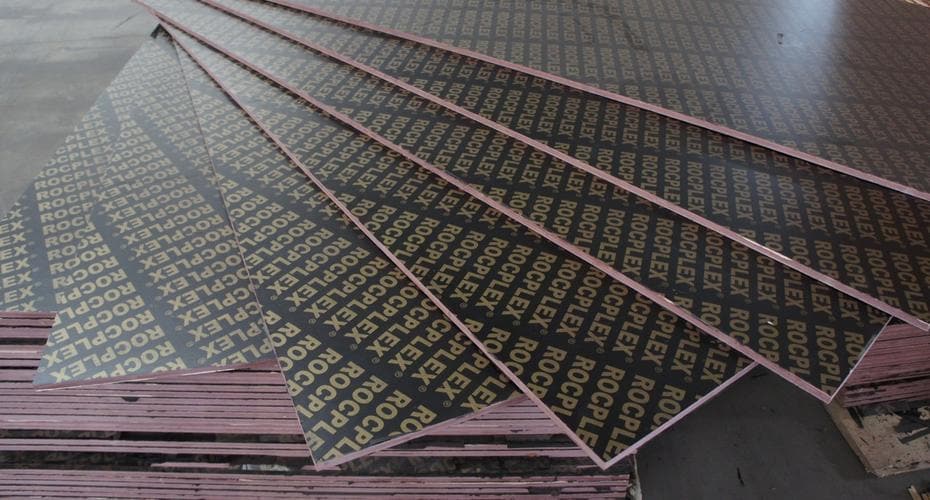
Film Faced Plywood Edge Sealing After Cutting
Film faced plywood edge sealing needs to follow the cutting and drilling plan. Factory edge…
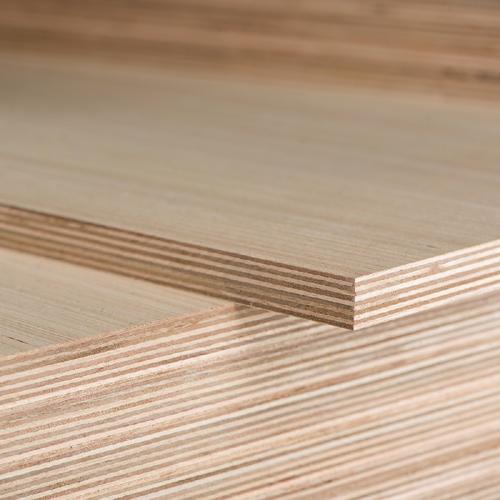
Plywood for Melamine Facing Needs More Than Sanding
Plywood for melamine facing needs more than a smooth touch. Sanding can prepare a face,…
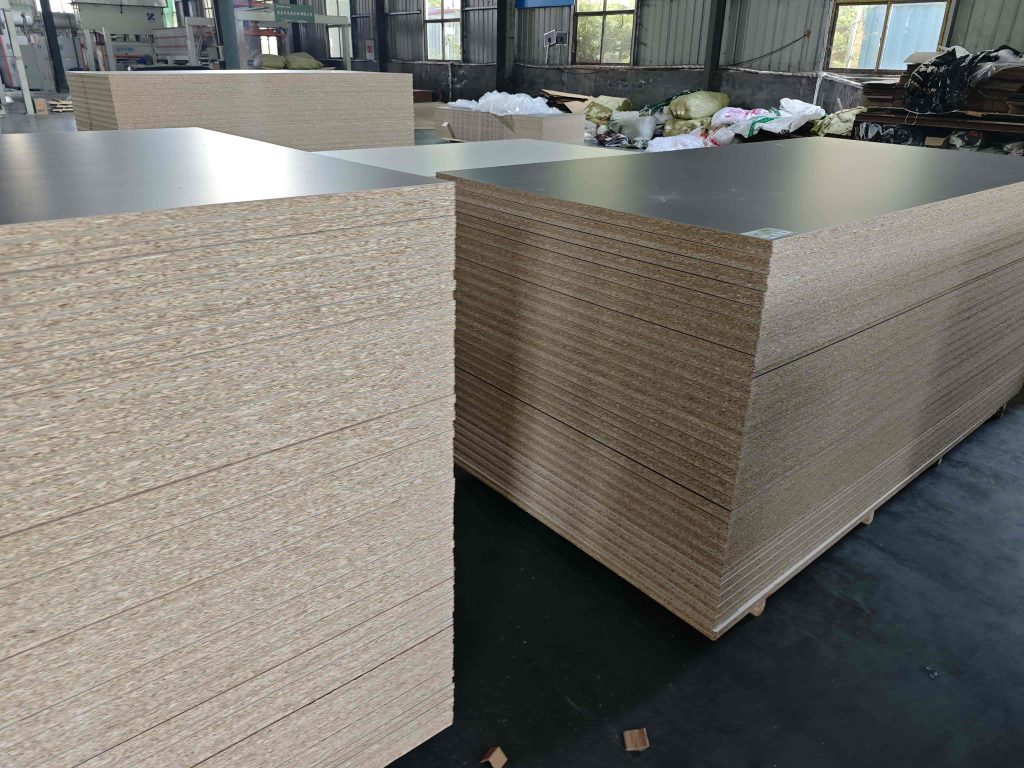
Cleaning Melamine Board Without Damaging the Finish
Cleaning melamine board should start with the supplied care instructions and a gentle method, not…
What Is Melamine Board
Identify the paper-based surface and the substrate separately.
Melamine Board Finish and Decor Range
Distinguish colour, texture and gloss when planning stock.
MDF Routing Quality for Cabinet Doors
Continue to the profile and machining requirements of a shaped front.
Send a door drawing or reference photograph, the intended surface and the processing stage you want to buy. Momentimber can help identify suitable raw MDF or melamine-faced board options. Treat PVC wrapping and ready-made door supply as separate services to confirm, not services included by this comparison.