MDF

Lightweight MDF vs Standard MDF for Furniture Parts

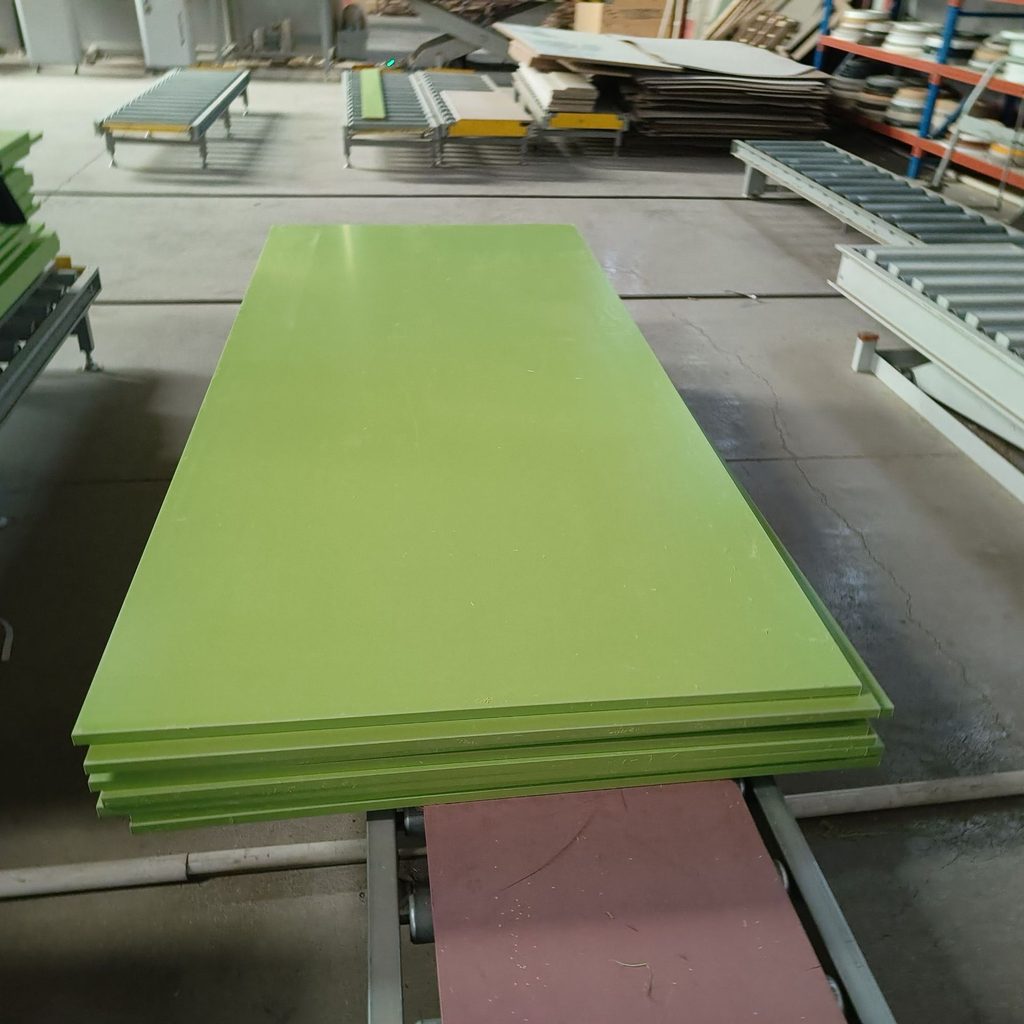
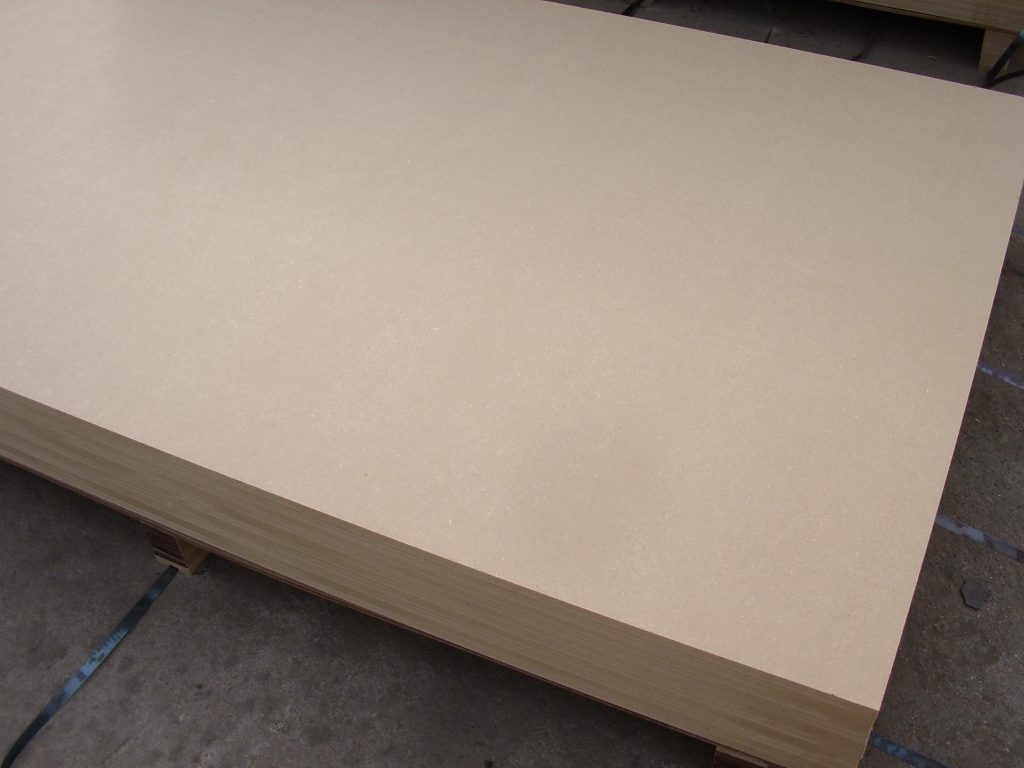
Lightweight MDF can make a large furniture part easier to handle. It does not automatically make it a direct replacement for standard MDF. Keep the same component requirements, then compare the lighter product against them. A useful saving removes unnecessary mass without creating a new problem at a fixing, groove or finished edge. This choice […]

Lightweight MDF vs Standard MDF for Furniture Parts Read More »
Thin MDF vs Hardboard for Furniture Panels

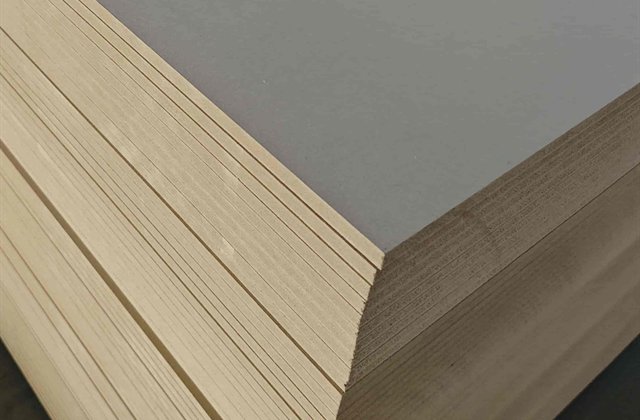
Thin MDF vs hardboard is a material comparison, not simply a choice between two thicknesses. Both are fibre-based panels. However, their forming process, supplied faces and finishing behaviour can differ. A furniture back that looks similar on the visible side may require different preparation or assembly when the material changes. This matters when an importer

Thin MDF vs Hardboard for Furniture Panels Read More »

MDF Routing Quality: What Buyers Should Approve Before Cabinet Door Production

A cabinet door can look excellent as a flat MDF sheet and still disappoint after the router has cut a deep profile around the edge. The paint shop may spend extra time filling fuzzy fibres. A hinge cup may land too close to a weakened profile. Or the first approved door may look good while

MDF Routing Quality: What Buyers Should Approve Before Cabinet Door Production Read More »

MDF Board for Cabinets: What Importers Should Specify Beyond Thickness

Two quotations both say 18 mm MDF. One is cheaper, one is heavier, and neither tells the buyer whether the board is meant for a painted door, a melamine-faced cabinet side, a routed drawer front or a humid service area. That is where an MDF board for cabinets order starts to go wrong. Thickness is

MDF Board for Cabinets: What Importers Should Specify Beyond Thickness Read More »

Scroll to Top