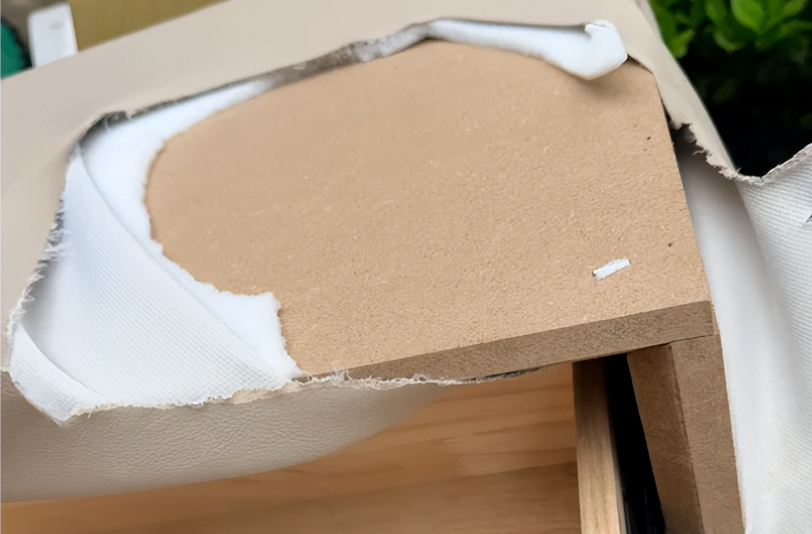


Wood Panel

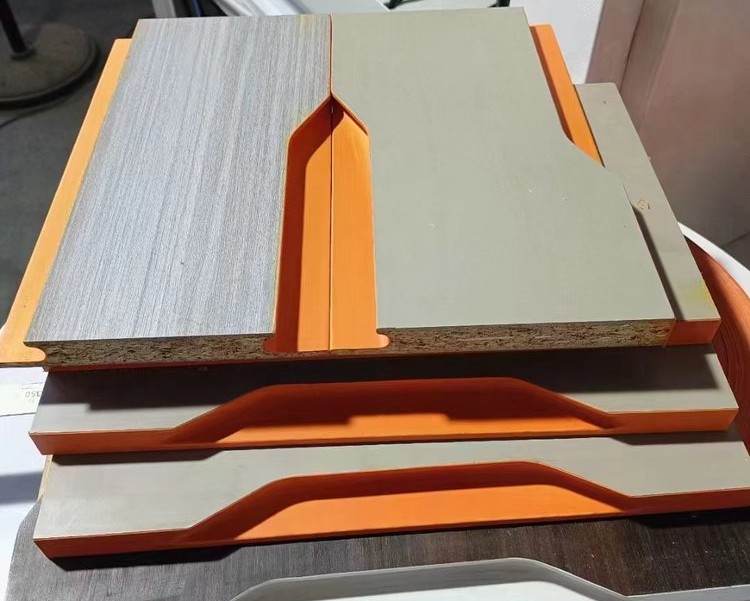
MDF Routing Quality: What Buyers Should Approve Before Cabinet Door Production

A cabinet door can look excellent as a flat MDF sheet and still disappoint after the router has cut a deep profile around the edge. The paint shop may spend extra time filling fuzzy fibres. A hinge cup may land too close to a weakened profile. Or the first approved door may look good while […]

MDF Routing Quality: What Buyers Should Approve Before Cabinet Door Production Read More »
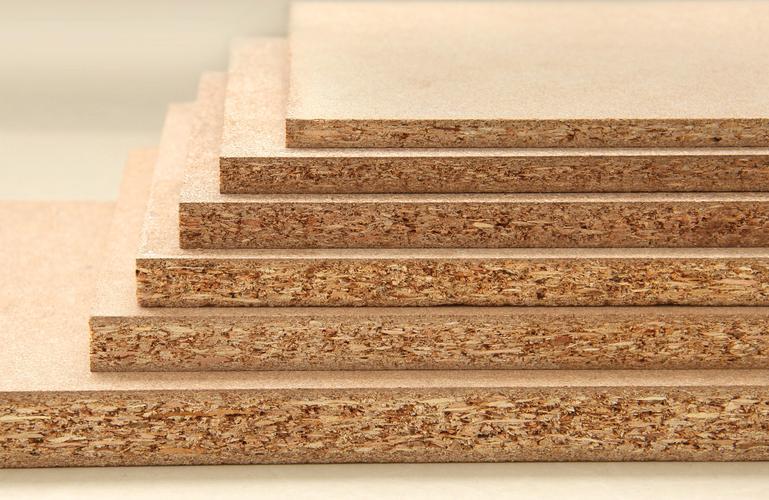
Particleboard Thickness Tolerance: Why Cabinet Parts Stop Fitting

A cabinet factory receives an order labelled “18 mm melamine chipboard.” The decor is approved, the board is flat, and the price looks right. Yet drawer runners need adjustment, a connector sits too close to the face, or an edge-band machine needs a new setting. The board did not necessarily fail. The order simply did

Particleboard Thickness Tolerance: Why Cabinet Parts Stop Fitting Read More »

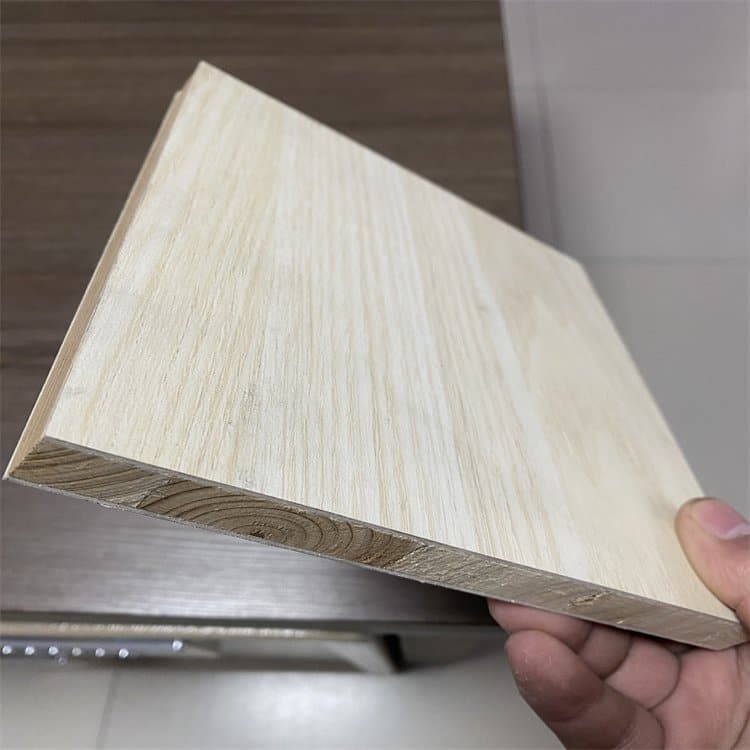
Blockboard Core Direction: How It Changes Cutting Plans and Door Stability

A furniture buyer may send a cut list that says only “18 mm blockboard, oak melamine.” The supplier can make a panel that looks right on the face, but the workshop later finds a different edge pattern, awkward screw zones, poor nesting yield or doors that do not behave like the approved sample. The missing

Blockboard Core Direction: How It Changes Cutting Plans and Door Stability Read More »

Melamine Board Repeat Orders: Why Matching Decor Can Still Miss Cabinet Fit

A customer sends a photo of a cabinet door and says, “Please repeat the same oak decor.” The new sheets arrive with a close-looking face, yet the workshop finds that the doors sit proud, the drilling depth changes, or the edge band no longer closes neatly. This is a common melamine board repeat orders problem.

Melamine Board Repeat Orders: Why Matching Decor Can Still Miss Cabinet Fit Read More »

MDF Board for Cabinets: What Importers Should Specify Beyond Thickness

Two quotations both say 18 mm MDF. One is cheaper, one is heavier, and neither tells the buyer whether the board is meant for a painted door, a melamine-faced cabinet side, a routed drawer front or a humid service area. That is where an MDF board for cabinets order starts to go wrong. Thickness is

MDF Board for Cabinets: What Importers Should Specify Beyond Thickness Read More »

Particleboard Edge Banding: Why a Clean Edge Still Bubbles Later

The first sample looked good. The edge tape sat flush, the corners were clean and the cabinet shop signed off the parts. A few weeks later, small bubbles appeared along some edges. That does not automatically mean the board was bad, the glue was wrong or the workshop was careless. Particleboard edge banding is a

Particleboard Edge Banding: Why a Clean Edge Still Bubbles Later Read More »

Blockboard Door Warping: Why Flat Samples Twist After Delivery

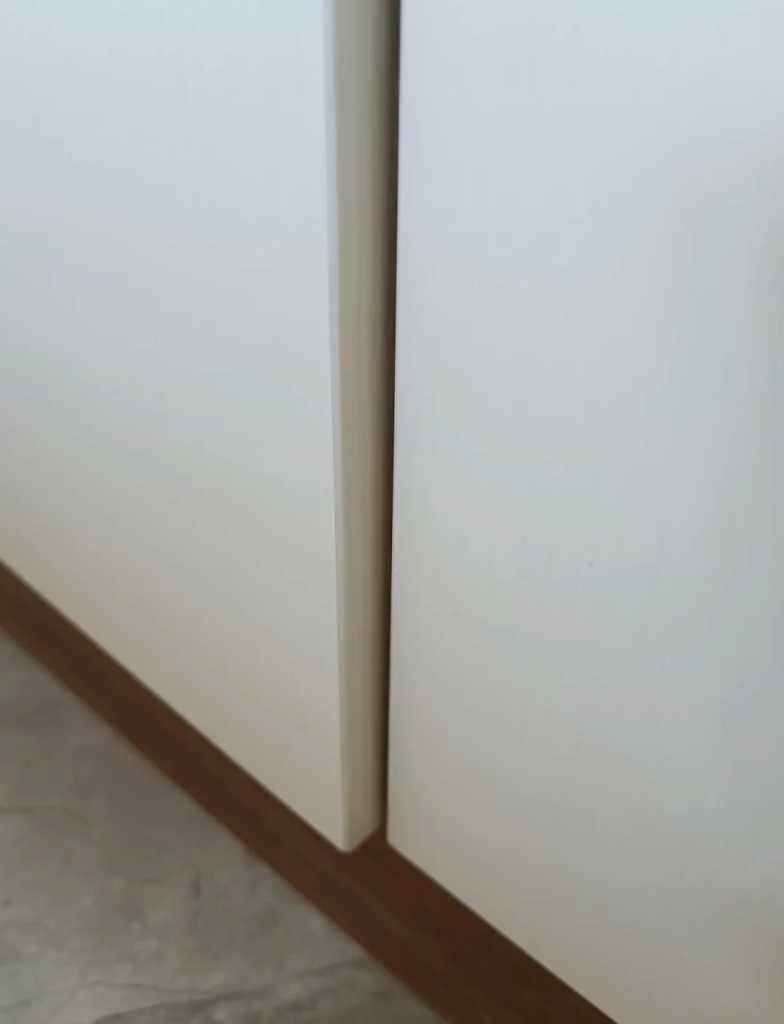
The hand sample was flat. The first finished door was flat too. Then the container reached the cabinet factory, the panels sat near an open loading bay, and several tall doors started to twist. A blockboard door warping complaint often becomes a simple accusation against the board. That is too early. A large door reflects

Blockboard Door Warping: Why Flat Samples Twist After Delivery Read More »

MDF Screw Holding: Why the Same Hinge Fails on One Board and Not Another

Two cabinet makers use what appears to be the same 18 mm MDF. One reports clean hinge installation. The other says the screws loosened after a few adjustments. Before changing the whole board supplier, ask a more useful question: where were the screws placed, what pilot hole was used, what load did the fitting carry,

MDF Screw Holding: Why the Same Hinge Fails on One Board and Not Another Read More »

Melamine Board Orders: Why the Same Decor Can Arrive With a Different Texture

A distributor reorders a fast-moving oak decor. The name and print look familiar in the quotation, yet the new boards feel smoother, reflect more light and no longer sit naturally beside the previous cabinet doors. The shipment may not be defective. Still, the customer sees a mismatch. That is why a melamine board texture repeat

Melamine Board Orders: Why the Same Decor Can Arrive With a Different Texture Read More »

Particleboard Swelling After Rain: Board Grade, Edges or Warehouse?

A cabinet installer sends a photo after the rainy season: the decorative face still looks acceptable, but the lower edge has swollen and the edge band is lifting. The first reaction is often, “The particleboard was bad.” Sometimes that is true. Often, particleboard swelling starts with a different question: where did water enter, what grade

Particleboard Swelling After Rain: Board Grade, Edges or Warehouse? Read More »

Scroll to Top