
Wood Panel

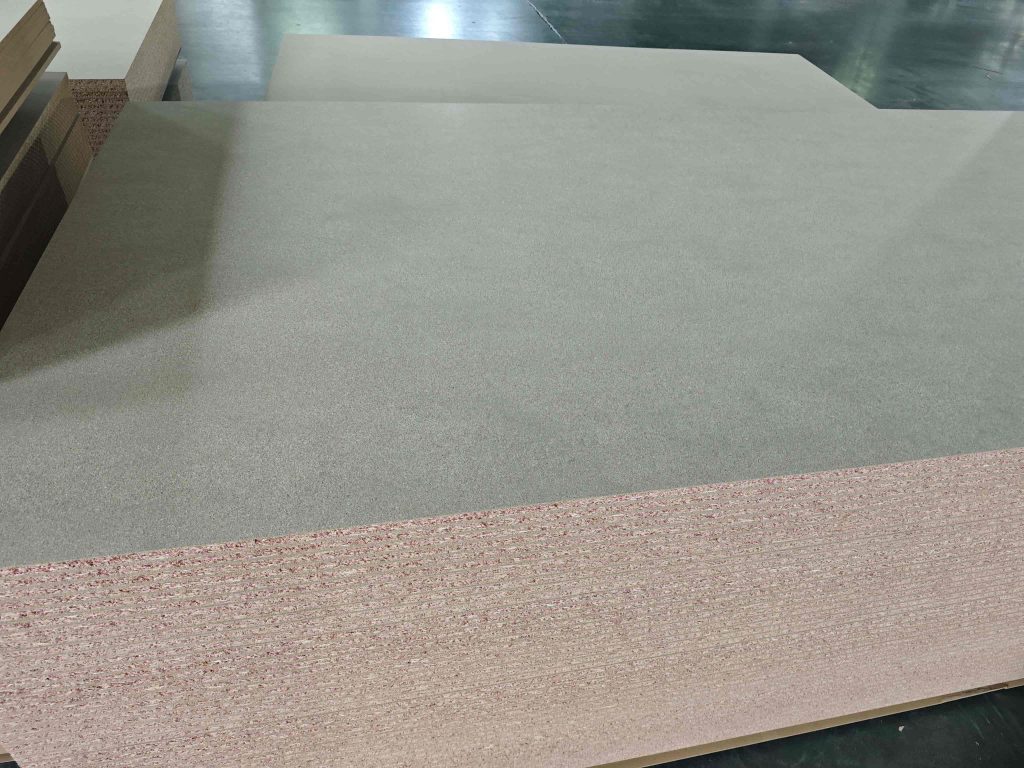
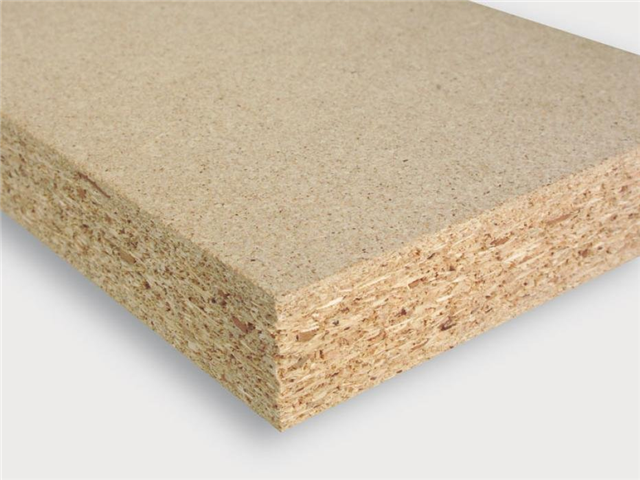
Sanded vs Unsanded Particleboard for Facing

Sanded vs unsanded particleboard describes the state of the base board before its next operation. Sanding removes surface material. Calibration brings the board toward an agreed finished thickness. These jobs can overlap, but they are not identical. Neither label alone proves that the board is ready for the buyer’s melamine press or other facing line. […]

Sanded vs Unsanded Particleboard for Facing Read More »
Blockboard Layers Explained from Core to Melamine Face

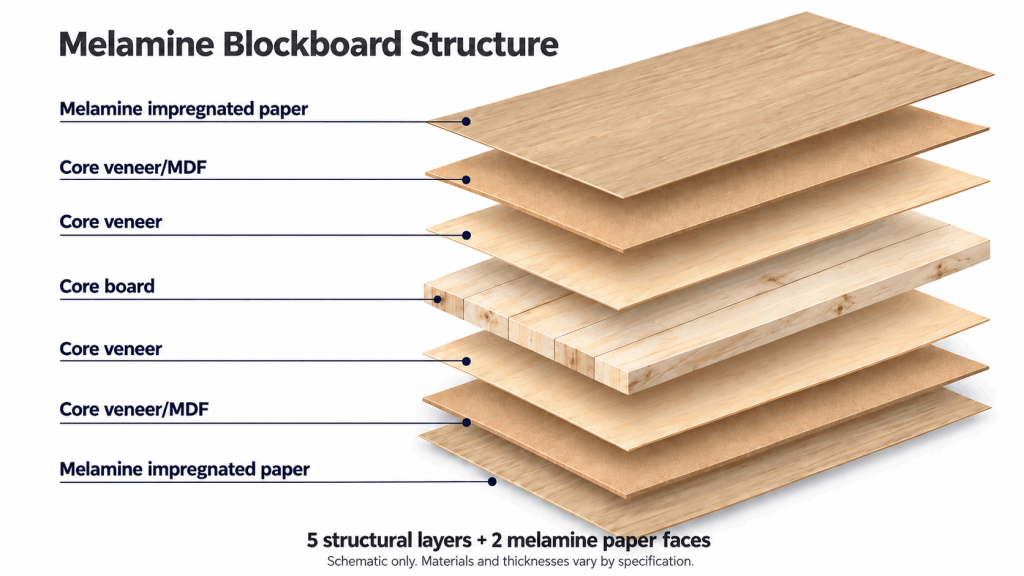
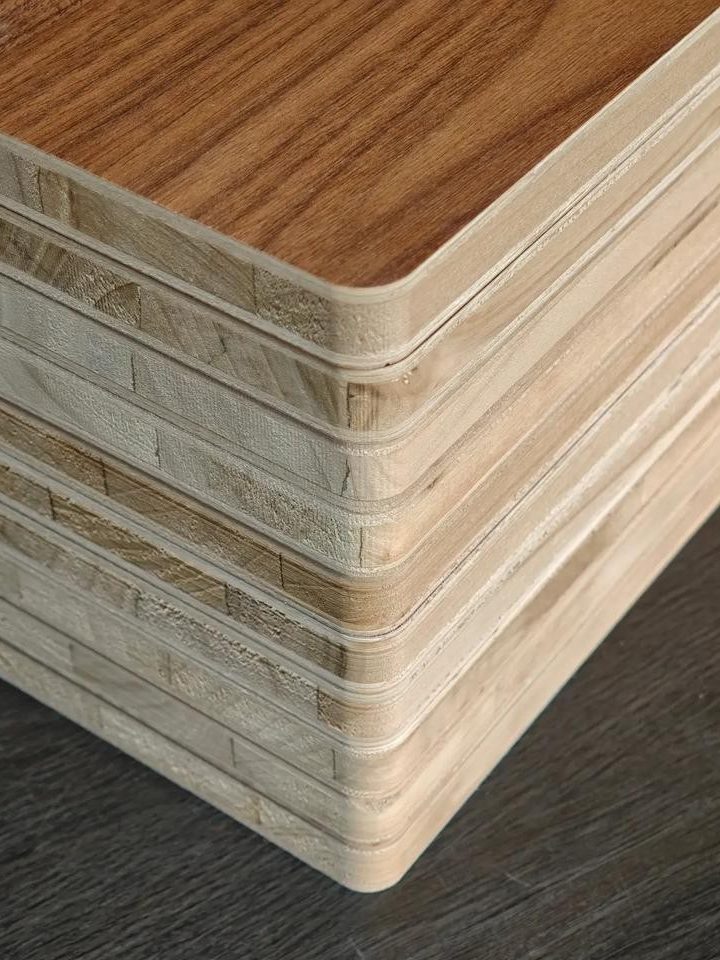
Blockboard layers become much easier to compare once you separate three things: the timber-strip centre, the materials supporting its faces, and the decorative surface. A five-layer description does not mean five identical sheets. Nor does a three-layer description necessarily count every thin veneer inside a pre-made carrier. This distinction matters when two offers name the

Blockboard Layers Explained from Core to Melamine Face Read More »

Thin MDF vs Hardboard for Furniture Panels

Thin MDF vs hardboard is a material comparison, not simply a choice between two thicknesses. Both are fibre-based panels. However, their forming process, supplied faces and finishing behaviour can differ. A furniture back that looks similar on the visible side may require different preparation or assembly when the material changes. This matters when an importer

Thin MDF vs Hardboard for Furniture Panels Read More »

Particleboard Binders: What UF, MUF and pMDI Change

Particleboard binders are the adhesives that turn loose wood particles into a usable board. UF, MUF and pMDI are three binder families you may see in quotations. They influence the bond inside the panel, but they do not describe the decorative surface or tell you everything about the finished board. This distinction matters when two

Particleboard Binders: What UF, MUF and pMDI Change Read More »

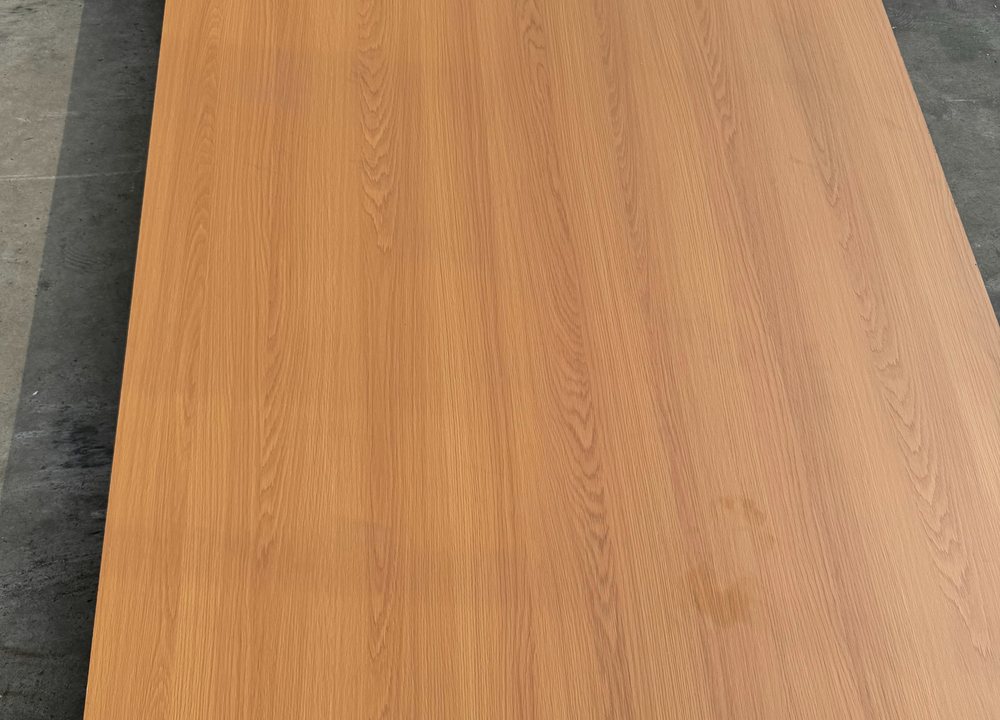
Warm woodgrain melamine surface reference

Melamine vs HPL: Are You Buying the Same Surface?

Melamine vs HPL is a construction question, not just a choice of woodgrain. HPL means high-pressure laminate: a separate resin-and-paper sheet bonded to a supporting board. Melamine-faced board uses a decorative resin-paper surface system. Two samples can look similar while representing different products. Ask which surface the quote includes before comparing prices. Melamine vs HPL

Melamine vs HPL: Are You Buying the Same Surface? Read More »

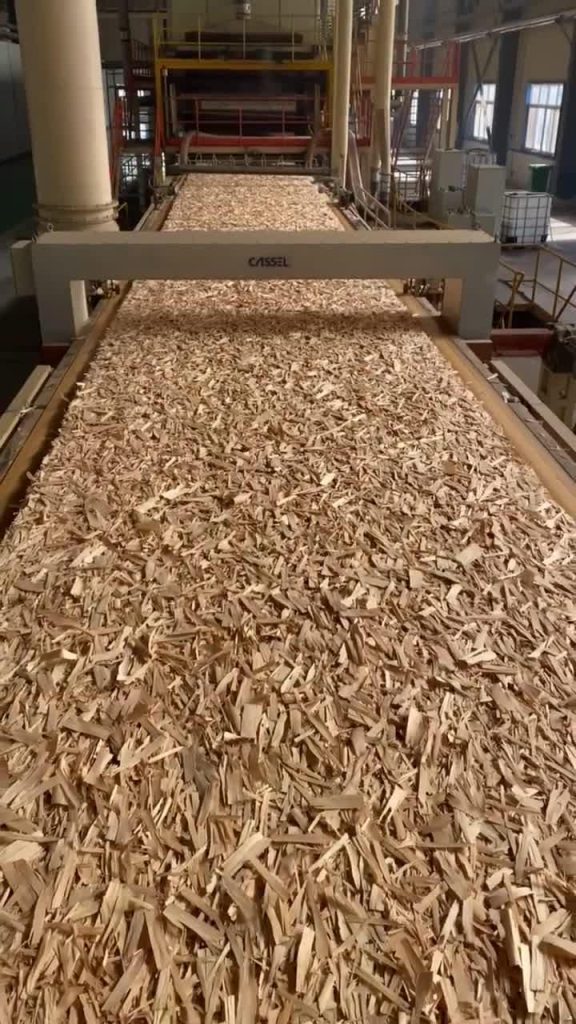
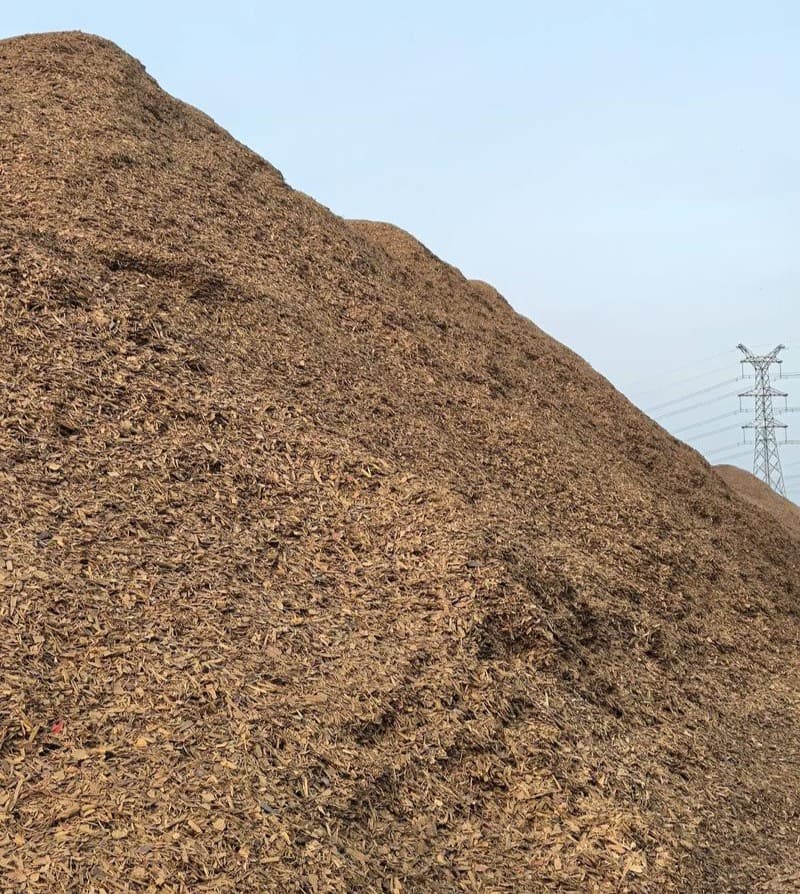
Particleboard Raw Materials: Is Fresh Wood Always Better?

Particleboard raw materials cannot be ranked by a fresh-wood label alone. A quote may describe virgin wood, sawmill residues or recycled wood. These terms describe supply streams, not finished-panel grades. Ask what the label includes and whether the offered board suits your furniture part. That is more useful than paying extra for a material description

Particleboard Raw Materials: Is Fresh Wood Always Better? Read More »

Scroll to Top